
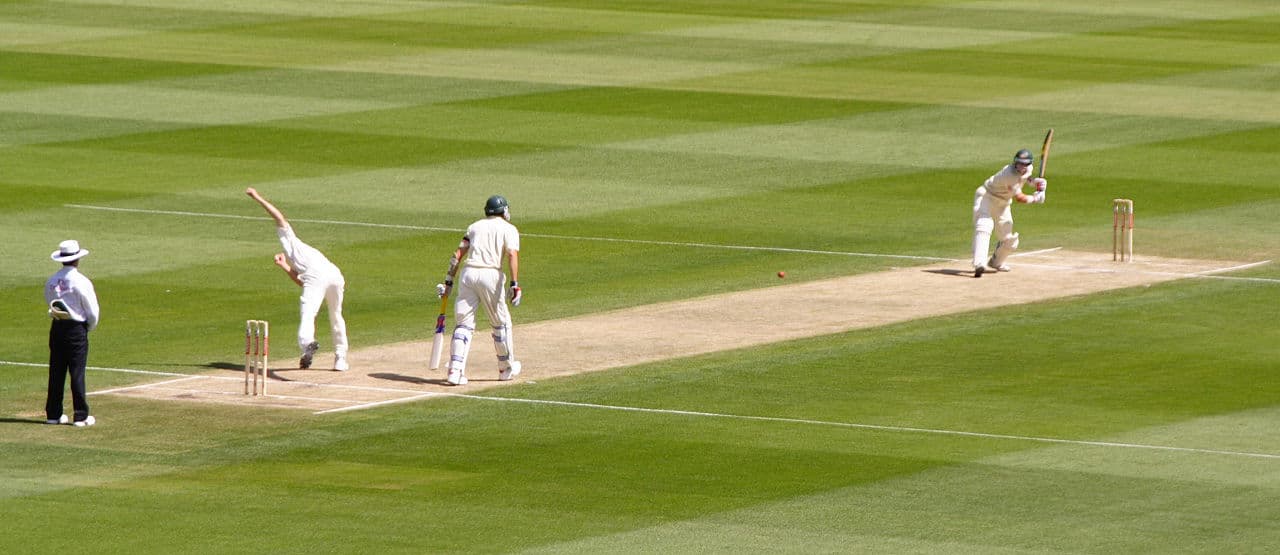
Cricket arrived in the Caribbean with British settlers and sailors hundreds of years ago, but Caribbean teams took it and made it their own - developing a style of play that is often described as adventurous, expressive, and exciting. The West Indies team (which includes players from many Caribbean islands including Antigua) won the Cricket World Cup twice and thrilled fans worldwide.
Sir Vivian Richards was born in Antigua in 1952 and grew up to become one of the most explosive batsmen the game has ever seen. He played in an era when the West Indies cricket team was dominant, and his confident, powerful style made him an icon - not just in cricket but as a symbol of Caribbean pride. The Antiguan stadium named after him opened in 2008.
Children in Antigua often start playing cricket very young, sometimes using a coconut branch for a bat and a tennis ball. Beaches and open ground become impromptu cricket pitches at weekends and after school. Local clubs run junior training programmes, and the best young players dream of one day representing the West Indies on the international stage.
Cricket is also a social event. When a big match is on, families gather around television sets, shopkeepers put radios on in their doorways, and the whole island follows the score together. The roar when an Antiguan player hits a boundary or takes a wicket can be heard across the neighbourhood.