
Classroom lesson ยท Wildlife ยท ๐Ÿ‡ฆ๐Ÿ‡ฌ Antigua and Barbuda

West Indian Whistling Duck

A rare duck that whistles instead of quacking

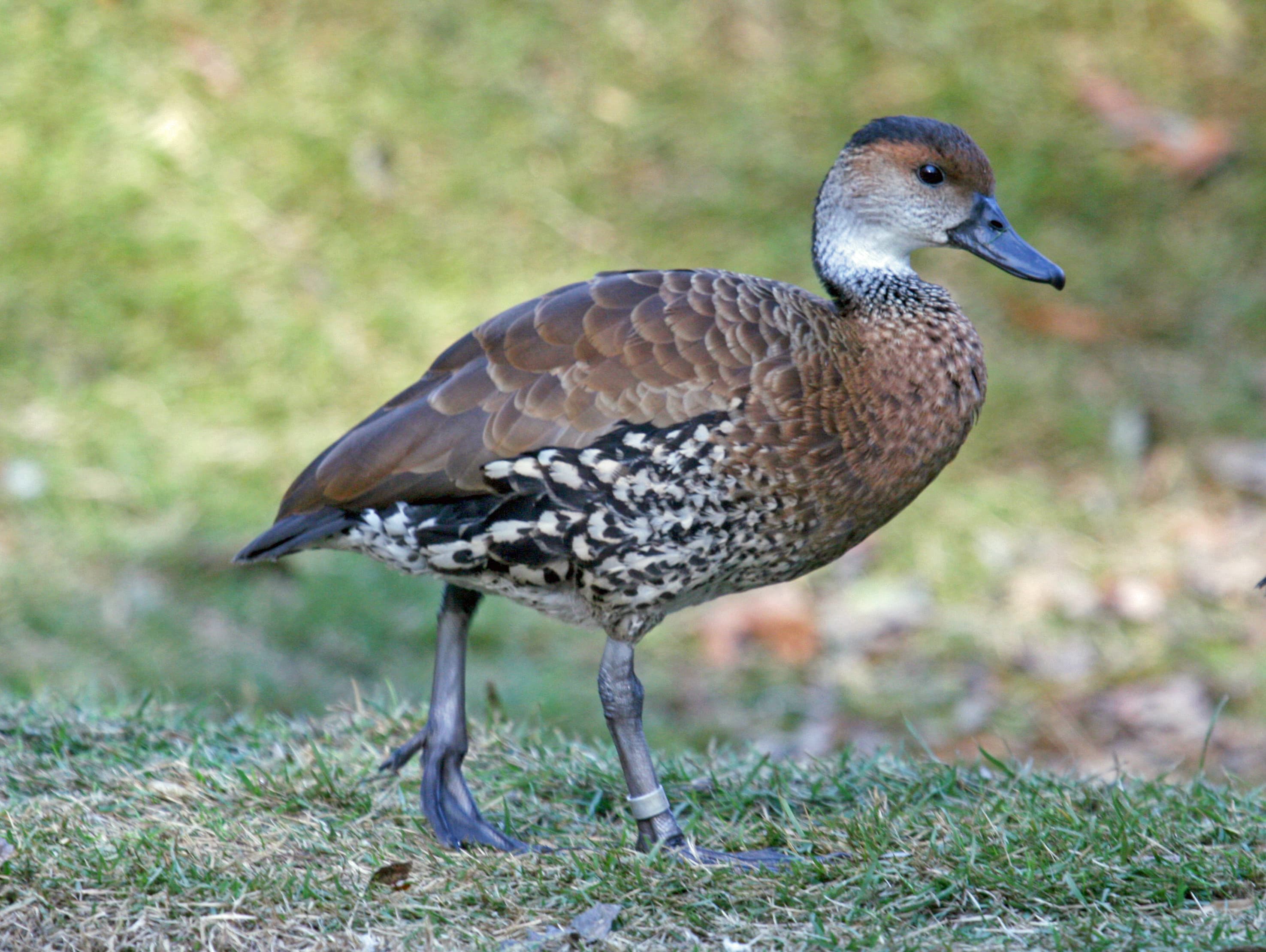
A West Indian whistling duck perched near a wetland

Photo ยท Wikimedia Commons

What is it?

The West Indian whistling duck is a distinctive bird found in the Caribbean that makes a high, clear whistling call instead of the usual quack you might expect from a duck. It has warm brown and black feathers, a long neck, and spotted sides. Barbuda's wetlands are one of its important homes in the eastern Caribbean.

Tell me more

Unlike most ducks you might know, whistling ducks often perch up in trees rather than just floating on water. Their long legs and upright posture give them a very different look from a mallard. When a group takes off together, they fill the air with their whistling calls, which sound almost musical.

West Indian whistling ducks are found across Caribbean islands and parts of Central America. They feed on seeds, aquatic plants, and small invertebrates in shallow wetlands and flooded fields. In Barbuda, the freshwater ponds and lagoons give them ideal feeding and roosting habitat.

These ducks are a special sight because their numbers have declined across the Caribbean and they are considered vulnerable. Local communities in Antigua and Barbuda are working to protect the wetland habitats the ducks depend on. Children who learn to identify the birds become important local wildlife watchers.

Watching wildlife requires patience โ€” the kind you build slowly. Birdwatchers sit quietly near a pond at dawn and wait. When the whistling ducks come in to feed, moving in loose flocks and calling to each other, it is a reward well worth the wait.

In the classroom

Walk your class through this in 15 minutes.

Talk together

Discussion prompts

  1. 01Most people picture a duck quacking. Why do you think the whistling duck developed a whistle instead? What advantages might a whistle have?
  2. 02Wetlands โ€” swamps, lagoons, and ponds โ€” are important for many animals. Can you name five different types of creatures that might depend on a wetland?
  3. 03Why do you think children making wildlife observations is considered important for conservation?
Try this

Classroom activity

Go outside or look out of a window for five minutes and count every bird you can see or hear. Record each one: what does it look like? What sound does it make? Share your list with the class and discuss: which bird was most surprising?