School life
In a Australia classroom
Many Australian schools include outdoor learning and beach safety programmes.
Typical school day: Often 09:00-15:00 with two breaks.
School year: Late January to mid-December.

Oceania · Country briefing
A child-friendly mission briefing for Thursday 19 November - capital, climate, school day, languages, fun facts, native animals, and five questions to ask the class on the other side of the world.
Climate in November: Late spring; warm to hot across many regions.
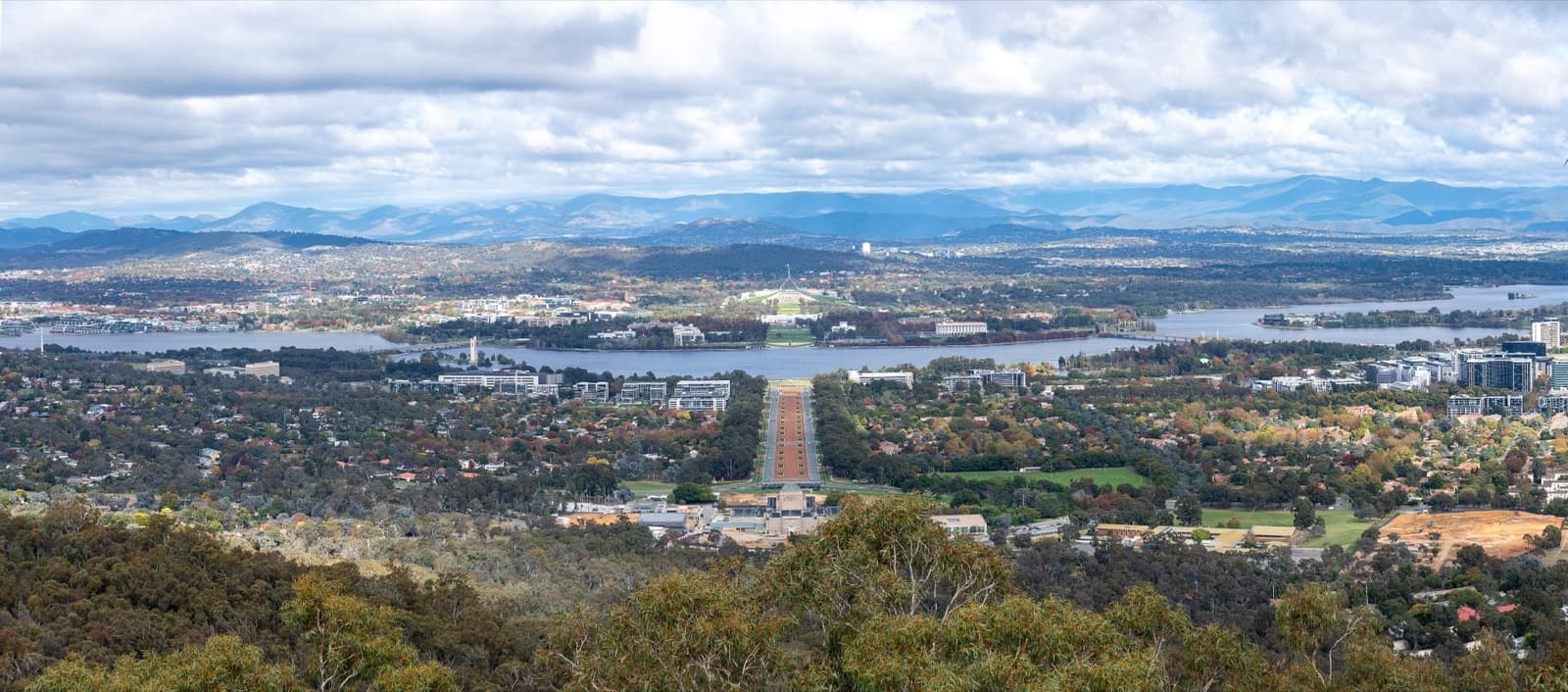
The capital
Canberra
Photo · Wikimedia Commons
Fun facts
Sunrise first
One of the first countries to see the new day
Open lesson
Great Barrier Reef
Visible from space
Open lesson
Marsupials
Home to 250+ species
Open lesson
Outback
Vast red desert covers most of the country
Open lesson
Didgeridoo
An instrument over 1,500 years old
Open lesson
Surf
Bondi Beach is one of the world's most famous
Open lesson
Tap any card to open a class-ready mini-lesson - for the teacher to walk through, or an older child to read aloud.
Native animals
Kangaroo
Can hop at 70 km/h
Open lesson
Koala
Sleeps up to 20 hours a day
Open lesson
Wombat
Has cube-shaped poo (true!)
Open lesson
Platypus
A mammal that lays eggs and has a duck bill
Open lesson
Emu
The world's second-tallest bird
Open lesson
Tap any animal to open a class-ready lesson about it.
School life
Many Australian schools include outdoor learning and beach safety programmes.
Typical school day: Often 09:00-15:00 with two breaks.
School year: Late January to mid-December.
Greetings to learn
Five questions to ask
What not to assume
Culture
Food
Music
Sport
Festivals
Tap any chip to open a class-ready lesson - what it is, why it matters, fun facts.
Choose Australia when you register - we'll show you the time-zone feasibility.
We'd like to use Google Analytics cookies to see how this site is used and make it better. No advertising, and never any pupil data. How we use cookies.