
Classroom lesson · Bridgetown Garrison · 🇧🇧 Barbados

Bridgetown Garrison

A historic seaside fortification and a UNESCO World Heritage Site

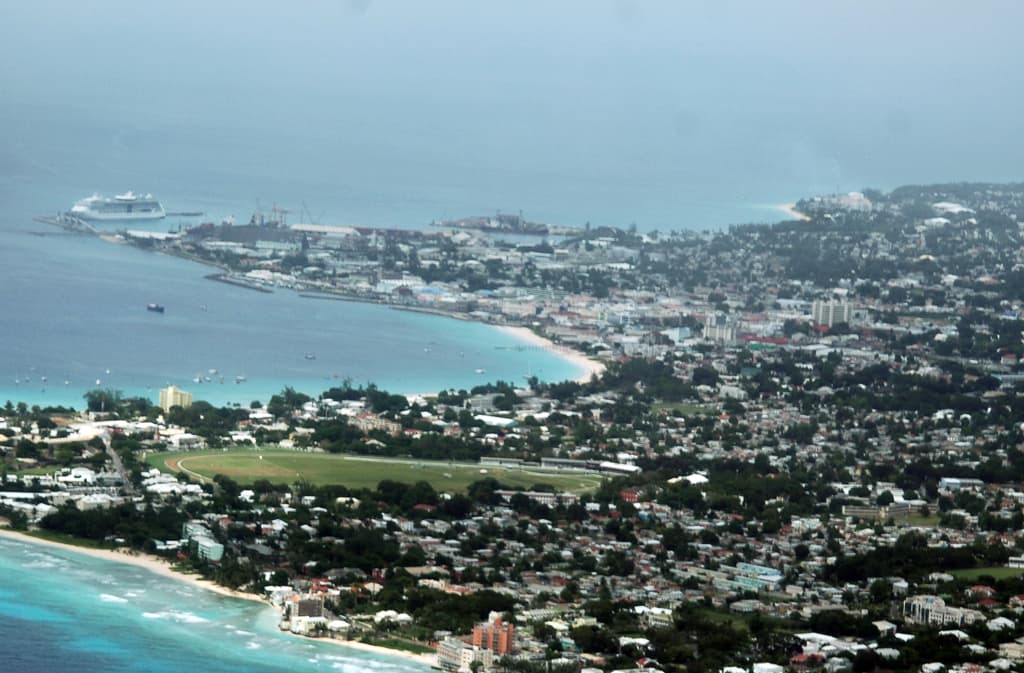
Photo · Barbados Tourism Marketing Inc.

What is it?

The Bridgetown Garrison is a collection of old stone buildings and fortifications on the outskirts of Barbados's capital city. Built hundreds of years ago, it once protected the island and served as a busy military base. Today it is a UNESCO World Heritage Site, which means the whole world recognises it as a very special and important place.

Tell me more

The garrison sits around a large open space called the Savannah, which was once used for military drills and parades. Today the Savannah is a popular park where Barbadians jog, fly kites, and watch horse racing. It is one of the oldest horse-racing venues in the Western Hemisphere.

Around the edges of the Savannah you can see buildings dating back several centuries, including the Main Guard with its striking clock tower, and old barracks that have been turned into a museum. Old cannons still point out towards the sea, just as they did long ago.

The Garrison Historic Area was added to the UNESCO World Heritage list in 2011, together with the old centre of Bridgetown. This recognition celebrates the island's remarkable architecture and the way it has looked after these old buildings so carefully over so many years.

In the classroom

Walk your class through this in 15 minutes.

Talk together

Discussion prompts

  1. 01Why do you think it is important to look after old buildings carefully?
  2. 02What does it mean to be a UNESCO World Heritage Site? Why might countries want that recognition?
  3. 03The Savannah changed from a military parade ground into a public park. Can you think of other places that changed their purpose over time?
  4. 04If you found an old building in your town, how would you find out its history?
Try this

Classroom activity

Design a heritage trail for your own school or neighbourhood. Choose five buildings or places that feel important to you, draw a simple map, and write one sentence about each stop explaining why it matters.