
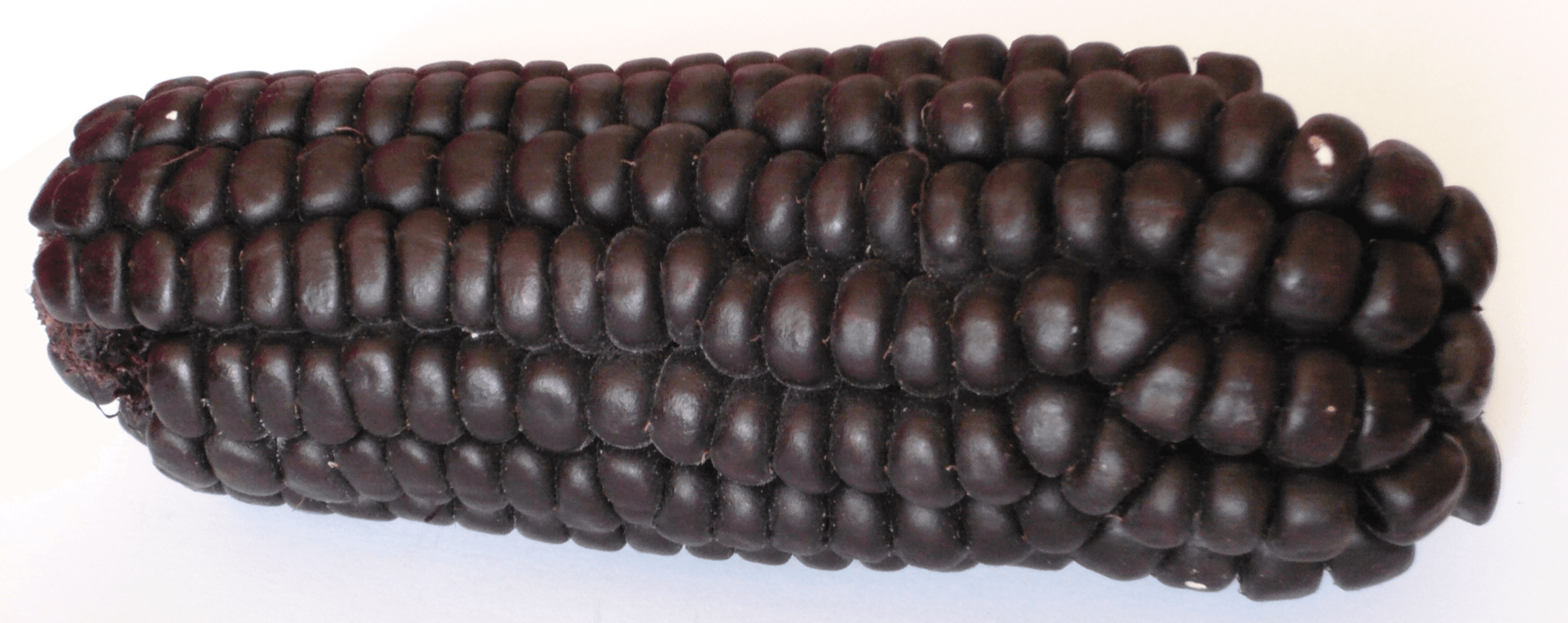
Purple maize (also called purple corn) is a special variety grown in the Andes for thousands of years. It gets its striking colour from natural pigments called anthocyanins - the same pigments that make blueberries blue and red cabbage red. These pigments are good for you, and Andean people have known this long before scientists gave them a name.
Api morado is usually served alongside buñuelos - light, puffy fried dough pastries dusted with icing sugar. Dipping the buñuelo into the warm api is a classic combination that Bolivian children and grandparents alike enjoy. Market vendors in La Paz sell it from giant clay pots early in the morning.
There are two types of api: morado (purple, made from purple maize) and api blanco (white, made from white maize). The purple version is more common and has a stronger, more complex flavour. Some families add a squeeze of lemon on top, which turns the colour from purple to an even brighter pink due to a chemical reaction!
Api morado is a great example of how Andean people have used local ingredients for thousands of years. The Incas drank maize-based drinks long before European contact. Today the drink is still made in much the same way it has always been - a direct link between modern Bolivians and their ancient ancestors.