
Classroom lesson ยท Punta Cana Beaches ยท ๐Ÿ‡ฉ๐Ÿ‡ด Dominican Republic

Punta Cana Beaches

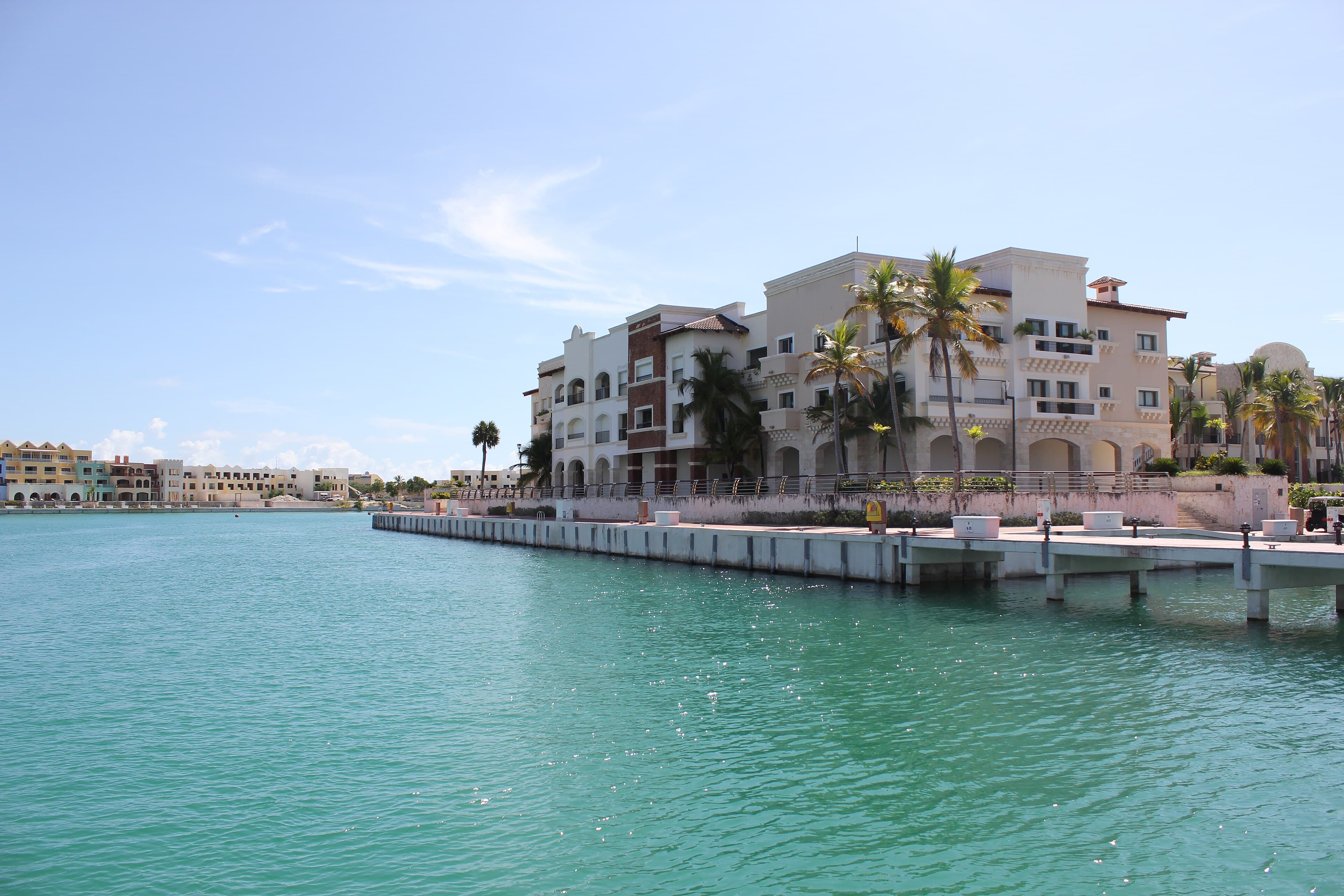
Miles of coconut palms and clear turquoise water

Photo ยท Wikimedia Commons

What is it?

Punta Cana is on the very eastern tip of the Dominican Republic, where the Atlantic Ocean meets the Caribbean Sea. Its beaches stretch for more than 45 kilometres and are covered in soft white sand, tall coconut palms and crystal-clear warm water. It is one of the most visited beach destinations in the whole Americas.

Tell me more

The sand at Punta Cana is made from tiny pieces of coral and shell, ground up over thousands of years by waves. That is why it feels so soft and looks so bright white โ€” almost like flour. On the clearest days the water is so transparent you can see the sandy bottom even where it is several metres deep.

Colourful reef fish, sea turtles and starfish live in the shallow waters just offshore. Coral reefs a little further out provide shelter for hundreds of species of fish, making it a fantastic place to snorkel.

Coconut palms line almost every beach. They grow leaning over the water because their seeds float in the sea โ€” a coconut can drift for months and then sprout on a new island's shore. The palm provides shade, coconut water to drink, and coconut flesh to eat.

The area around Punta Cana is also home to freshwater lagoons and mangrove forests just behind the beach. Mangroves are special trees that grow in saltwater with their roots poking up above the mud. They are nurseries for young fish and protect the shore from big waves.

In the classroom

Walk your class through this in 15 minutes.

Talk together

Discussion prompts

  1. 01How does coral become beach sand? Can you describe the very long journey a piece of coral makes?
  2. 02Why might mangrove forests be called 'nurseries' for fish? What does a nursery do?
  3. 03If a coconut can travel for months at sea, which faraway beaches might a coconut from Punta Cana reach?
Try this

Classroom activity

Collect or draw three different types of shells. Look closely at each one โ€” are they rough or smooth? What colour is the inside? Write three adjectives for each shell, then imagine what creature lived inside it and describe its daily life.