
Classroom lesson · Festival · 🇸🇻 El Salvador

Día del Salvador del Mundo

El Salvador's biggest national celebration, honouring the country's name

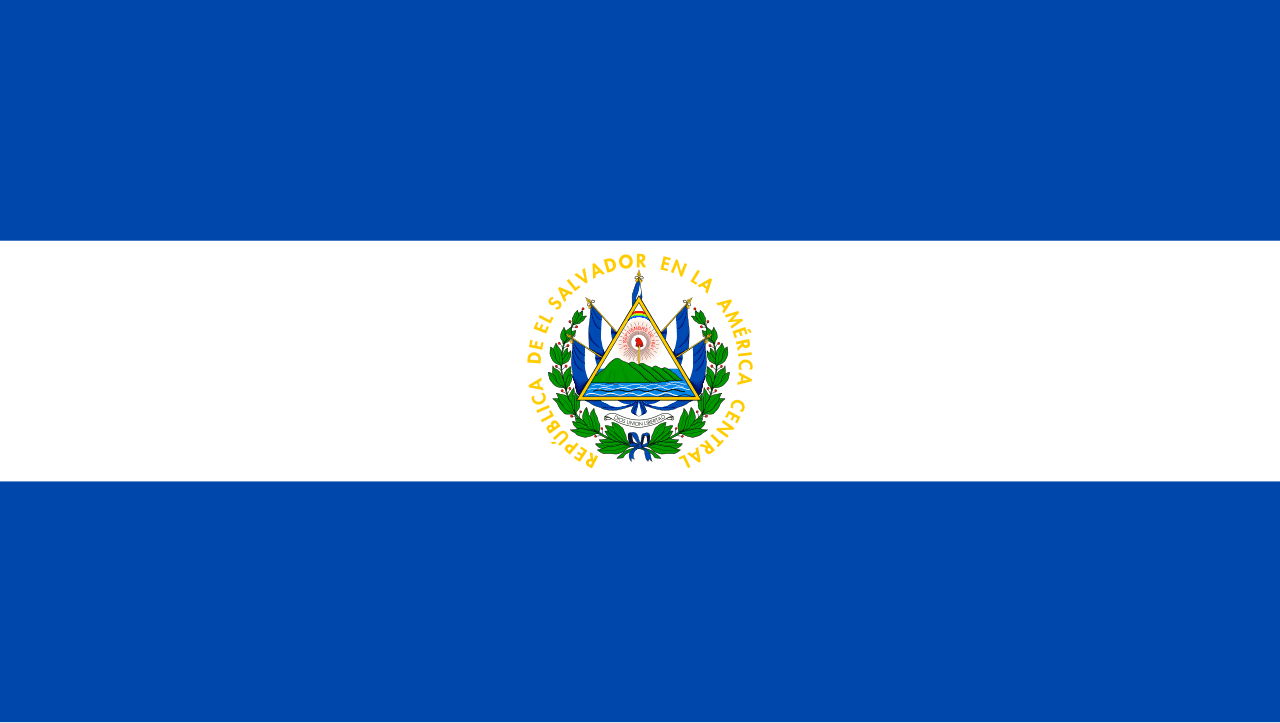
Photo · Wikimedia Commons

What is it?

Día del Salvador del Mundo — 'Day of the Saviour of the World' — is El Salvador's biggest national festival, celebrated every year around August 6th. The whole country takes part in a week of parades, music, dancing, food stalls, fairs, and fireworks. It is a time when Salvadoran families come together to celebrate national pride and their shared culture.

Tell me more

The festival is centred in the capital, San Salvador, and in cities and towns across the country. The celebrations build up over several days, with a grand procession on August 6th where a large statue representing the Saviour of the World is carried through the streets surrounded by music, flowers, and crowds of people in their finest clothes.

The week of celebrations includes all the things Salvadorans love most: live marimba music, cumbia dancing, traditional foods like pupusas, tamales, and atol de elote, and colourful amusement fairs with rides and games. Schools prepare special events, children perform dances in traditional costumes, and town squares are decorated with lights and flags in blue and white.

Many Salvadorans who live in other countries — there are large Salvadoran communities in the United States, Canada, and Europe — also celebrate Día del Salvador del Mundo in their new homes. This makes the festival a connection point between Salvadorans all around the world, keeping culture and identity alive across great distances.

One beloved tradition is the outdoor fair on the grounds of El Campo de Marte park in San Salvador, where thousands of families gather for rides, food, and entertainment. Children traditionally get new clothes and shoes for the festival, and it is considered one of the happiest times of the year — a real community celebration.

In the classroom

Walk your class through this in 15 minutes.

Talk together

Discussion prompts

  1. 01El Salvador's biggest festival is named after the country itself. What does a nation's name tell us about what it values or how it sees itself?
  2. 02Salvadorans living far from home celebrate this festival in their new countries. Why might it be important to keep cultural traditions alive when you move abroad?
  3. 03What makes a festival feel special? Think about decorations, food, music, and community — which element matters most to you, and why?
Try this

Classroom activity

Plan a 'Festival of Our School' based on the structure of Día del Salvador del Mundo. Decide on a theme, a procession, two traditional foods to serve, one type of music to play, and one activity for children. Write a one-paragraph programme and share it with the class.