
Carving a canoe begins with choosing the right tree - a hardwood that is strong enough to survive the sea but light enough to paddle. The carver hollows out the trunk using traditional tools, shaping the hull so that it sits correctly in the water. The whole process can take weeks, and the skills are passed from experienced carvers to younger learners in the community.
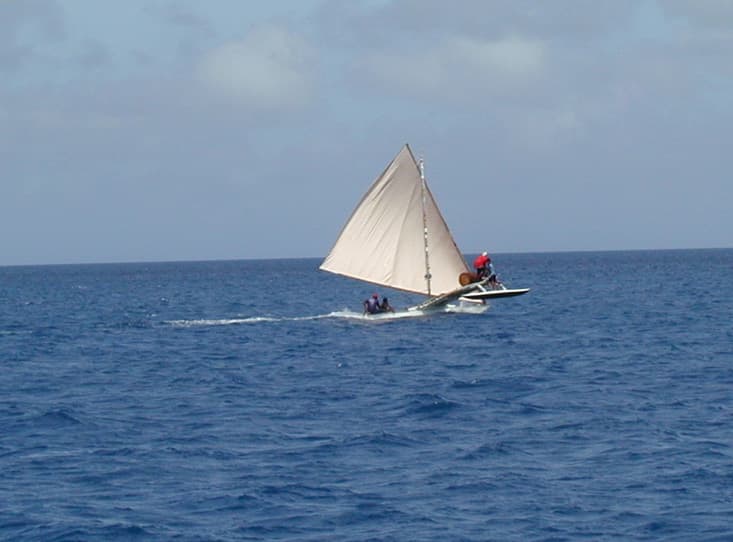
A sailing canoe from the Bijagós is a graceful sight on the water. The carved hull is low and narrow, designed to cut through waves efficiently. When the wind catches the sail, the canoe tips slightly and skims across the surface, leaving a white line of foam behind it. Paddling is used when the wind drops or when approaching a shallow beach.
The Bijagó people's knowledge of the sea is extraordinary. They read the wind, the colour of the water, the patterns of currents, and the behaviour of birds to navigate even in conditions when it is hard to see far. This knowledge is not written down - it lives in the experience of the sailors and is learned by spending time on the water.
Today, motorboats have arrived in the Bijagós, but traditional canoes are still widely used, especially for shorter journeys. Many families own both. The traditional canoe is quieter and cheaper to run, and for some journeys through the shallow lagoons, it is actually the better choice.