
Classroom lesson · Wildlife · 🇭🇰 Hong Kong

Hong Kong newt

A tiny, ancient amphibian found only in Hong Kong's mountain streams

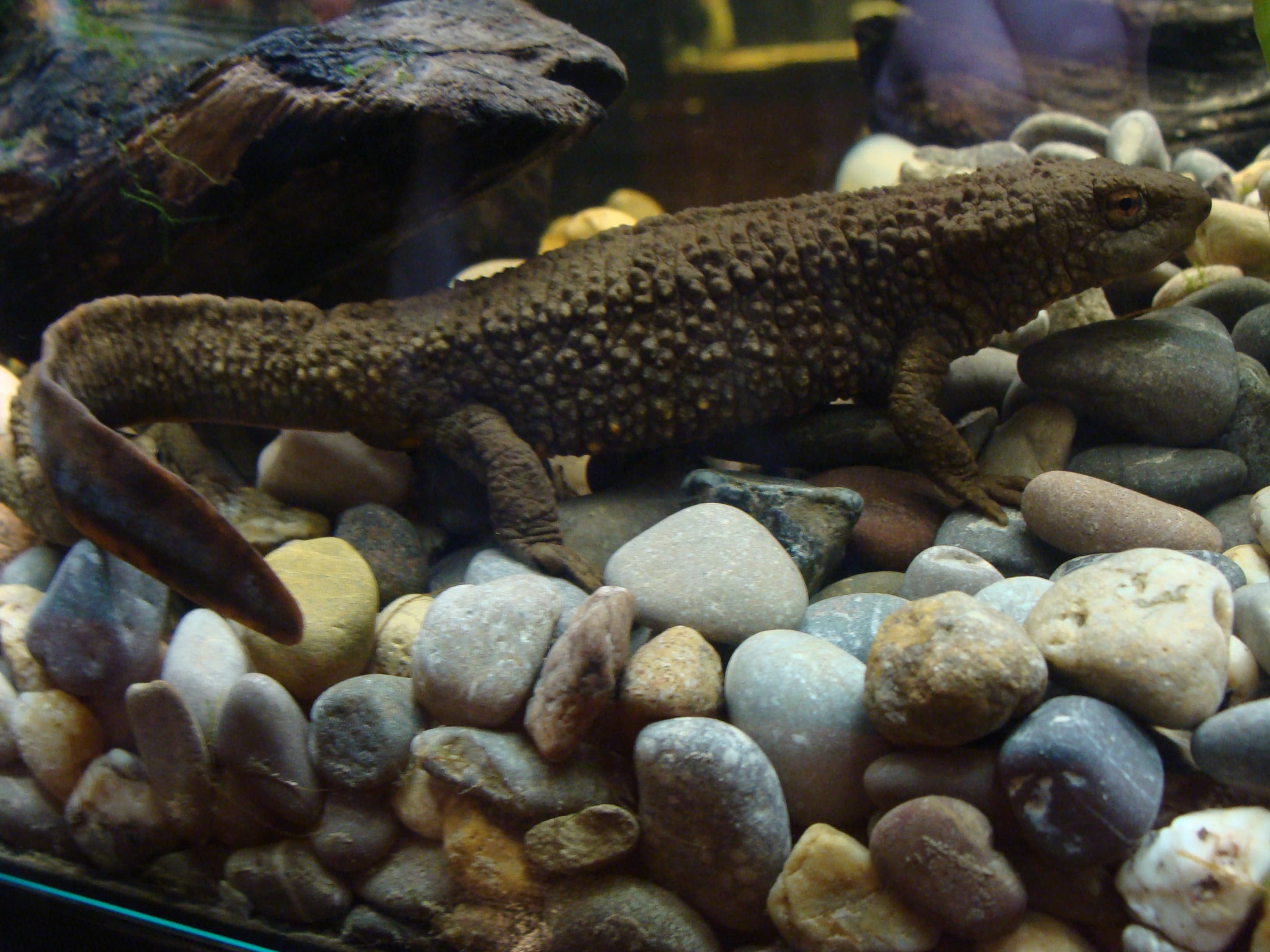
Photo · Wikimedia Commons

What is it?

The Hong Kong newt is a small amphibian found only in Hong Kong - it lives nowhere else on Earth. It is dark brownish-black on top and has a bright orange-red belly with black spots. It lives in clear, clean mountain streams and pools hidden away in Hong Kong's country parks.

Tell me more

The Hong Kong newt is a very ancient animal whose ancestors have been in this part of the world for millions of years. Finding an animal that only lives in one small part of the world is called being 'endemic' - and the Hong Kong newt is one of the most famous endemic animals in Asia.

Like all amphibians, Hong Kong newts start life in the water as larvae (a bit like a tadpole stage) and then grow legs and can live on land too. They breathe through their skin as well as their lungs, which is why clean water and clean air are both important for them.

The newt's bright orange belly is a warning signal. Many amphibians with bright colours are telling predators: 'I taste bad - don't eat me!' The Hong Kong newt produces a mild irritant in its skin, which is harmless to people but enough to put off most animals.

You can find Hong Kong newts in the wild by going to higher-elevation streams in Hong Kong's country parks on cool, damp nights. They are shy and love hiding under leaves and stones. Seeing one in the wild is a special treat.

In the classroom

Walk your class through this in 15 minutes.

Talk together

Discussion prompts

  1. 01Why might an animal that only lives in one small place be especially important to protect?
  2. 02The bright belly is a warning signal. What other animals use colour to send messages?
  3. 03Newts breathe through their skin. What does that tell us about how sensitive they are to pollution?
Try this

Classroom activity

Design a 'warning coloured' creature of your own. Pick two colours that stand out strongly together. Draw your creature and write one sentence explaining what the colours are warning. Then look up five other animals with warning colours - compare your design.