
Classroom lesson ยท Wildlife ยท ๐Ÿ‡ฎ๐Ÿ‡ถ Iraq

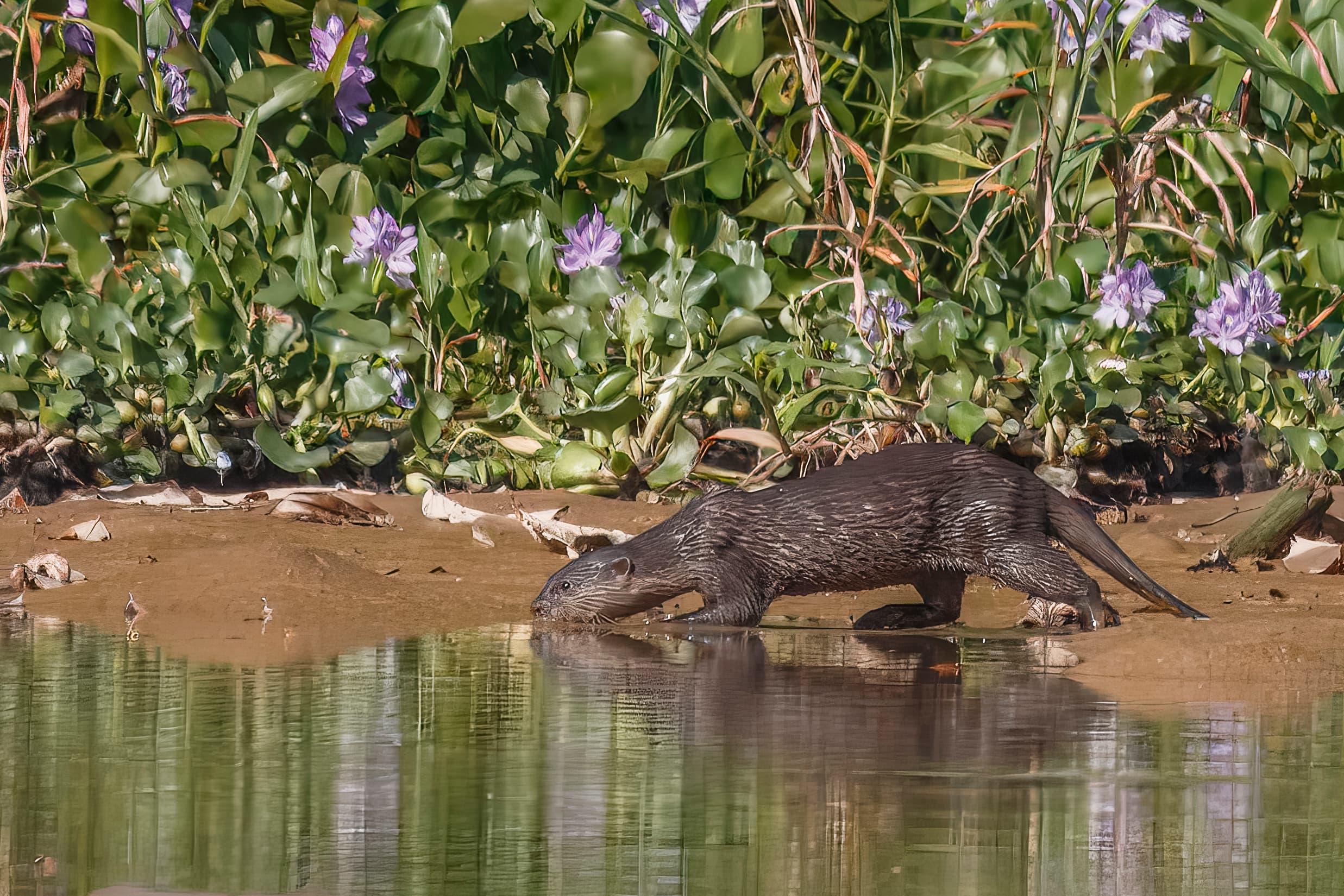
Iraqi Smooth-Coated Otter

A playful river mammal that calls Iraq's waterways home

Photo ยท Wikimedia Commons

What is it?

The smooth-coated otter is a sleek, playful mammal that lives along Iraq's rivers and marshes. It has a flat, streamlined body, a long tail, and webbed feet that make it a brilliant swimmer. Otters are famous for being one of the most fun-loving animals in the world โ€” they really do seem to enjoy sliding, splashing, and playing.

Tell me more

Smooth-coated otters are the largest otter species found in Iraq. They have short, dense, velvety fur โ€” smooth to the touch โ€” which keeps them warm and somewhat waterproof even when diving through cold water. Their whiskers are very sensitive and help them detect fish moving in murky water.

These otters are expert hunters. They chase fish underwater with remarkable speed, using their powerful tail and webbed feet to steer and accelerate. They can hold their breath for several minutes and dive several metres deep. When they surface with a fish, they often eat it while floating on their back.

Otters are very social animals and live in family groups called a romp or a bevy. Mothers raise their young โ€” called pups โ€” in a cosy den built into a riverbank. The pups are born unable to swim and must be taught by their mother. Young otters love to wrestle and chase each other in the water, which also helps them practise hunting skills.

The Mesopotamian Marshes are an important home for smooth-coated otters in Iraq. Conservation efforts are helping protect these waterways, which means better habitats for otters, fish, birds, and the Ma'dan people who share the marshes with them.

In the classroom

Walk your class through this in 15 minutes.

Talk together

Discussion prompts

  1. 01What special features help the smooth-coated otter be such a good swimmer?
  2. 02Young otters learn to swim from their mother โ€” what is something important you learned from someone else?
  3. 03Why might protecting marshes and rivers also protect otters?
  4. 04If you could spend a day watching otters, what do you think you would see?
Try this

Classroom activity

Design an 'Otter Fact Poster'. Include a drawing of a smooth-coated otter and label at least five body features that help it survive โ€” for example: webbed feet, sensitive whiskers, waterproof fur, strong tail. Add one amazing fact in a speech bubble coming from your otter.