
Classroom lesson · Wildlife · 🇱🇺 Luxembourg

Red Fox

Luxembourg's clever, adaptable woodland neighbour

Photo · Wikimedia Commons

What is it?

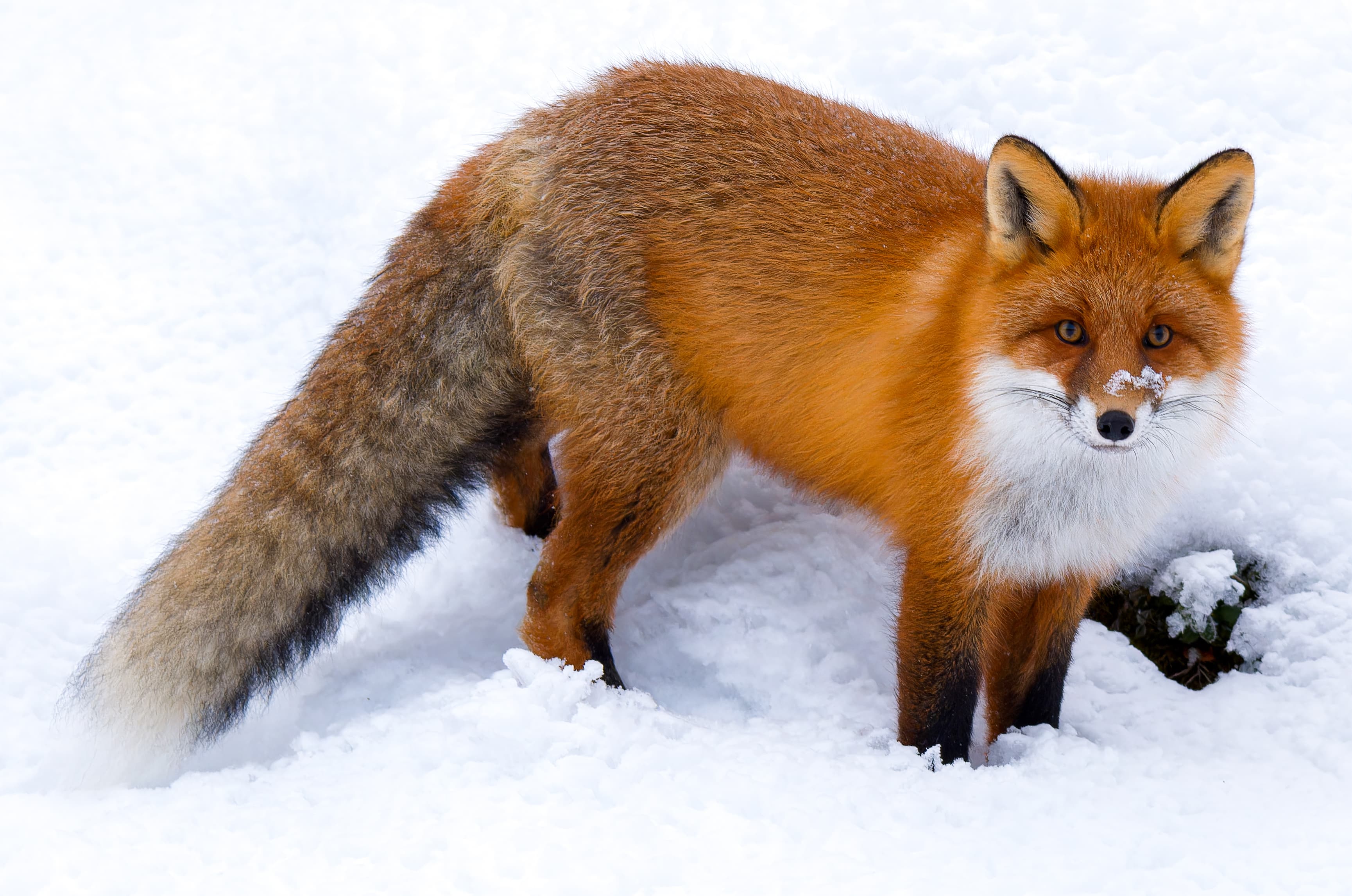
The red fox is one of the most recognisable animals in Luxembourg — and all across Europe. With its bright orange-red coat, white chest, bushy tail and pointed black ears, it is hard to miss. Foxes are extremely clever and adaptable, which means they can live in forests, farmland and even on the edges of towns.

Tell me more

Foxes are members of the dog family, and like dogs they are very good at problem-solving. They hunt at dusk and dawn, using their sharp noses and huge ears to track down mice, voles, beetles and berries. A fox can hear a mouse moving under a thick layer of snow from 50 metres away.

In Luxembourg you might spot fox tracks in muddy paths in the Mullerthal, or catch a glimpse of an orange shape darting across a meadow at sunset. Foxes have territories — areas they consider their own — and they mark the edges with scent. Their calls at night sound a bit like a surprised bark or a raspy scream.

Baby foxes are called cubs or kits. They are born in underground dens called earths, usually in spring, in litters of about four to six. The cubs are born with dark brown fluffy fur and only develop their famous red coat as they grow. Both parents help look after the cubs.

Foxes play an important role in the countryside by keeping the populations of small animals like mice and rats in balance. They are also very curious — if you sit very still at the edge of a wood in the evening, you might be lucky enough to watch one hunting in the field in front of you.

In the classroom

Walk your class through this in 15 minutes.

Talk together

Discussion prompts

  1. 01Foxes can live in forests and in towns. What advantages and challenges might a fox face in each place?
  2. 02Baby foxes are brown at birth and turn red as they grow. Why might animals change colour as they get older?
  3. 03Foxes use their ears much more than we do. How would your day be different if your hearing was ten times better?
Try this

Classroom activity

Make a fox fact file. Draw a large fox in the centre of your page and add ten labelled arrows pointing to different body parts (e.g. ears, tail, paws, nose). Next to each label, write one sentence about what that body part helps the fox to do.