
An arribada is one of the most extraordinary events in nature. On certain nights, triggered by the moon and ocean currents, thousands of sea turtles all swim to shore at the same time. Females drag themselves up the beach, dig a hole using their back flippers, lay about 100 eggs, cover the hole with sand, and return to the sea. The whole thing takes about an hour.
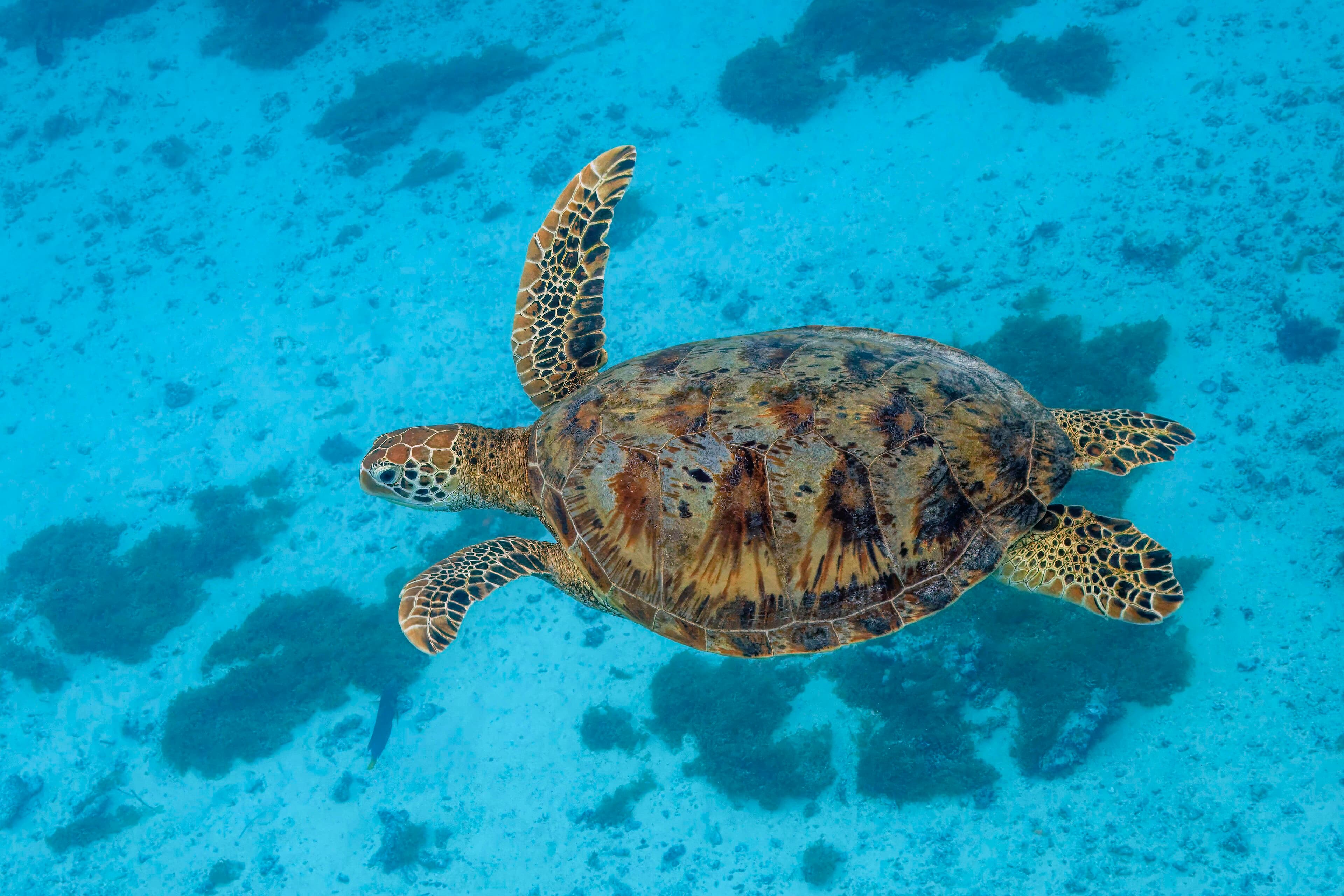
Green sea turtles get their name not from the colour of their shell - which is greenish-brown - but from the colour of the fat under their skin, which is green because of all the seagrass they eat. Adults are almost entirely herbivores, spending their days grazing on underwater meadows of seagrass and algae.
Baby turtles hatch about two months after the eggs are laid. They dig out of the sand as a group, then race to the sea. It is a dangerous sprint - birds and crabs try to catch them. The hatchlings that make it to the ocean swim for days without stopping, carried by ocean currents. Scientists think they follow Earth's magnetic field like a compass to navigate.
Nicaragua's Chacocente Wildlife Reserve on the Pacific coast is one of the most important green sea turtle nesting sites in the world. The turtles are protected there, and local communities help guard the nests. Scientists come from around the world to study the arribadas.