School life
Ve třídě v zemi Nigeria
English is widely the language of instruction. Many schools start with assembly.
Typický školní den: Often 08:00-14:30.
Školní rok: September to July.

Africa · Přehled země
Přehled úkolu srozumitelný pro děti na čtvrtek 19. listopadu – hlavní město, podnebí, školní den, jazyky, zajímavosti, domácí zvířata a pět otázek pro třídu na druhé straně světa.
Podnebí v listopadu: Dry season starting; warm to hot.
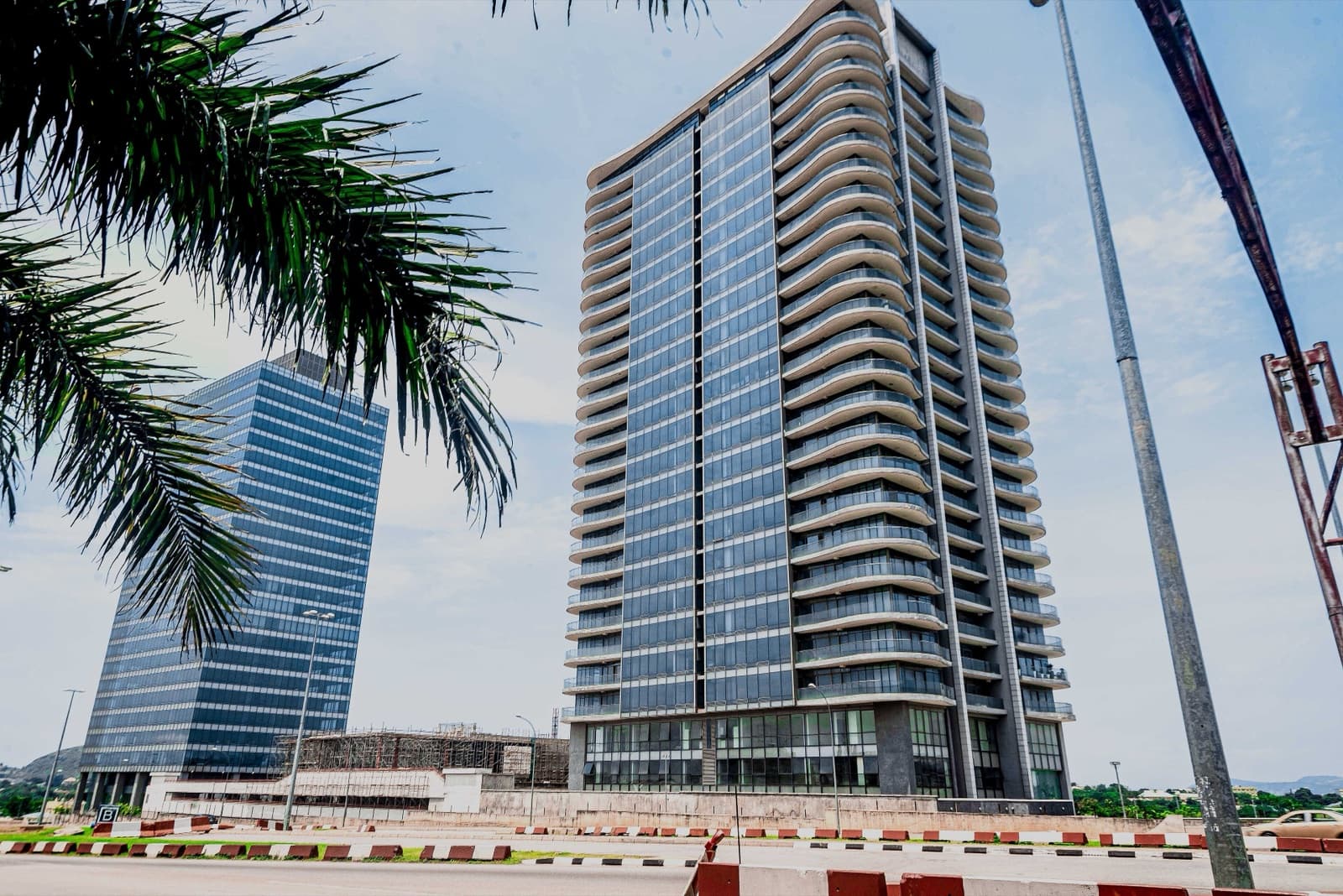
Hlavní město
Abuja
Foto · Wikimedia Commons
Zajímavosti
Languages
Over 500 spoken
Otevřít lekci
Nollywood
World's second-largest film industry
Otevřít lekci
Afrobeats
Music heard around the world today
Otevřít lekci
Population
Africa's most populous country
Otevřít lekci
Jollof rice
A national dish (also a friendly rivalry with Ghana)
Otevřít lekci
Aso Rock
Huge granite hill towering over Abuja
Otevřít lekci
Klepnutím na kteroukoli kartu otevřete mini-lekci připravenou pro třídu – pro učitele k výkladu, nebo pro staršího žáka ke čtení nahlas.
Domácí zvířata
African forest elephant
Smaller than its savannah cousin
Otevřít lekci
African grey parrot
One of the smartest birds - can mimic voices
Otevřít lekci
West African lion
Rare and protected in Kainji National Park
Otevřít lekci
Drill monkey
Lives only in a small part of West Africa
Otevřít lekci
Manatee
A gentle 'sea cow' in coastal rivers
Otevřít lekci
Klepnutím na kterékoli zvíře otevřete lekci připravenou pro třídu.
School life
English is widely the language of instruction. Many schools start with assembly.
Typický školní den: Often 08:00-14:30.
Školní rok: September to July.
Pozdravy k naučení
Pět otázek k položení
Co si nemyslet
Kultura
Jídlo
Hudba
Sport
Svátky
Klepnutím na kterýkoli štítek otevřete lekci připravenou pro třídu – co to je, proč na tom záleží, zajímavosti.
Při registraci vyberte Nigeria – ukážeme vám, zda časová pásma vychází.
Rádi bychom používali soubory cookie Google Analytics, abychom viděli, jak se tento web používá, a mohli jej zlepšovat. Žádná reklama a nikdy žádné údaje o žácích. Jak používáme cookies.