
Classroom lesson ยท Wildlife ยท ๐Ÿ‡น๐Ÿ‡น Trinidad and Tobago

Buccoo Reef

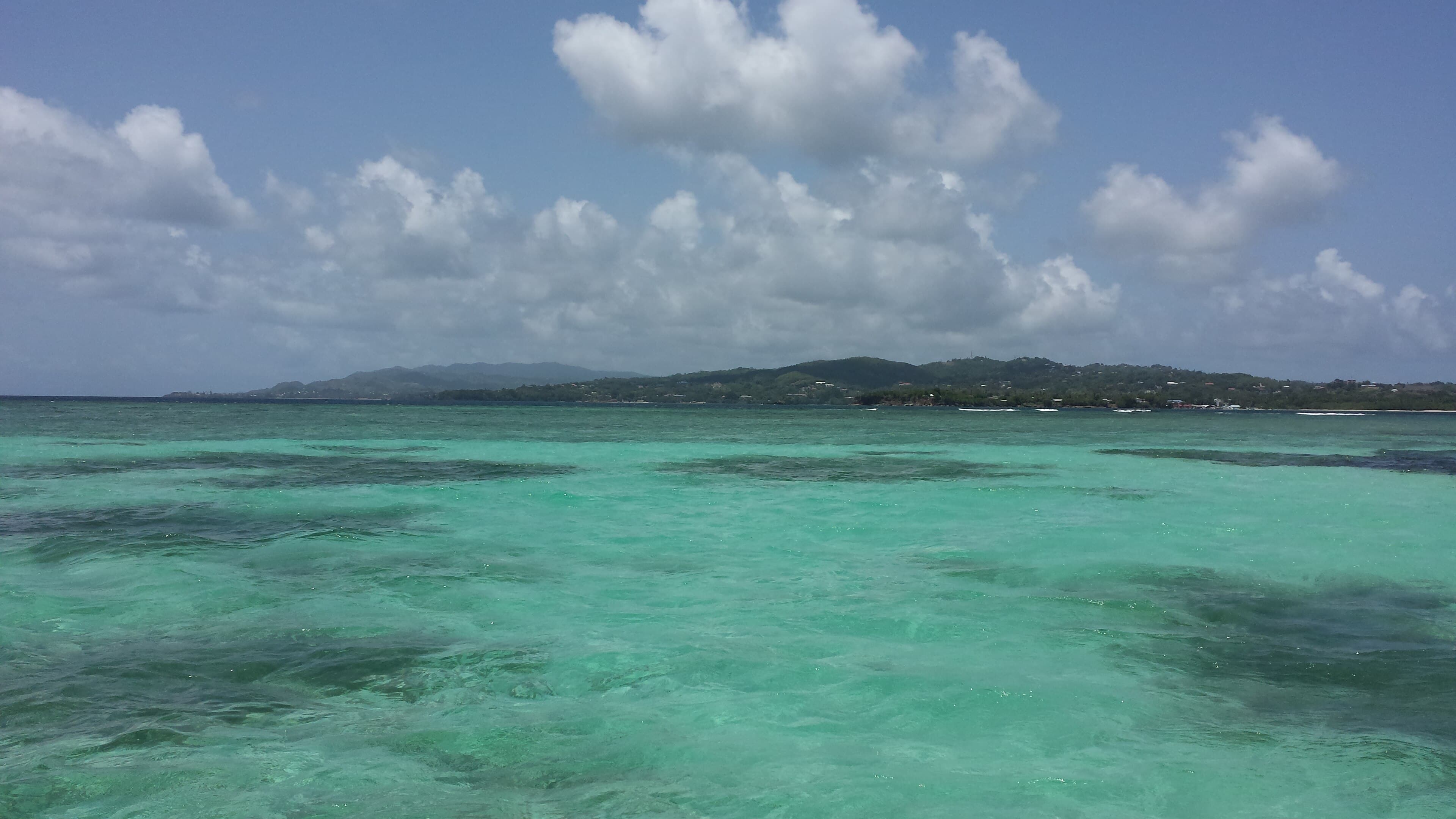
A coral garden you can see through the floor of a glass-bottom boat

Photo ยท Wikimedia Commons

What is it?

Buccoo Reef is a coral reef off the south-western tip of Tobago, the smaller island of Trinidad and Tobago. Glass-bottom boats take visitors out over the reef so they can look straight down through the floor at the fish and coral below โ€” no swimming or snorkelling needed!

Tell me more

The reef is made up of many different types of coral, from branching staghorn coral to round brain coral that looks exactly like the surface of a brain. Hundreds of fish in every colour โ€” parrotfish, angelfish, sergeant majors โ€” dart in and out of the coral.

Glass-bottom boats have a section of their hull made from thick, clear glass or perspex. When the boat moves slowly over the reef, passengers can lie on benches and peer straight down at the underwater world below them, like looking through a window into the sea.

After the reef tour, most boats stop at a spot called the Nylon Pool โ€” a shallow, turquoise sandbar sitting in the open sea. The water there is only knee-deep and brilliantly clear, and you can wade around as if you are standing in a swimming pool miles from shore.

Coral reefs are very important ecosystems โ€” they provide a home for around a quarter of all ocean fish. Buccoo Reef is protected, which means fishing and anchoring on the reef are not allowed, helping the coral stay healthy for future generations to enjoy.

In the classroom

Walk your class through this in 15 minutes.

Talk together

Discussion prompts

  1. 01Why do you think a glass-bottom boat is a clever way to let people see the reef without disturbing it?
  2. 02Coral reefs are sometimes called 'the rainforests of the sea'. Why might that be a good comparison?
  3. 03If you could design an underwater vehicle to explore a coral reef, what would it look like?
Try this

Classroom activity

Draw a cross-section of the sea showing: the glass-bottom boat on the surface, the water below it, and the coral reef at the bottom. Populate your reef with at least five different coloured fish, two types of coral, and one creature hiding among the coral. Label each one.