
Classroom lesson · Wildlife · 🇦🇴 Angola

Kissama National Park

Angola's largest wildlife park, right by the Atlantic coast

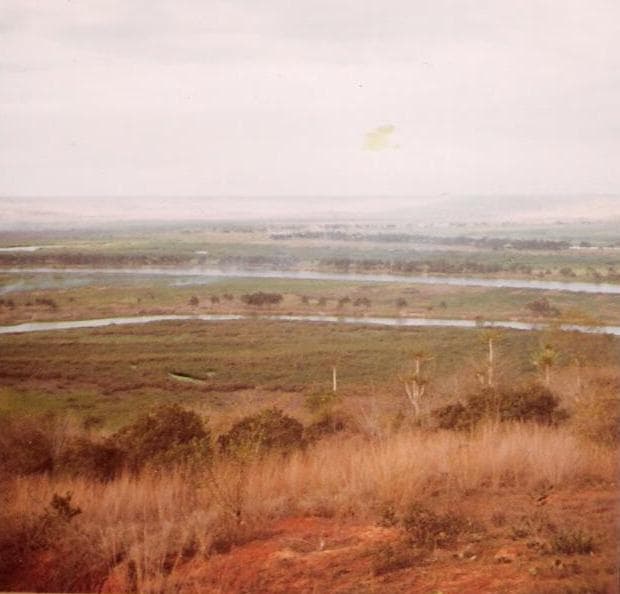
Elephants walking through golden savanna in Kissama National Park with the Atlantic in the distance

Photo · Wikimedia Commons

What is it?

Kissama (also spelled Quiçama) is Angola's biggest national park, covering nearly 10,000 square kilometres of savanna, forest and coastline south of the capital Luanda. Elephants, lions, buffalo, zebras and hundreds of bird species live here, just a short drive from the city.

Tell me more

Kissama is special because it stretches all the way to the Atlantic Ocean, so animals can roam from open grassland to the beach. Some mornings elephants have even been spotted near the shore. The park includes rivers, wetlands and dry forest, giving a huge variety of wildlife different places to live.

After many years of protection, the wildlife in Kissama has grown stronger. In the early 2000s, a remarkable operation called 'Operation Noah's Ark' brought elephants and other animals from Botswana and South Africa by helicopter and truck to help boost Kissama's population. It was one of the biggest animal-relocation adventures in history.

Birdwatchers love Kissama because it is home to hundreds of species including kingfishers, sunbirds, eagles and the striking African fish eagle. Guided drives through the golden savanna are a popular way to explore, especially early in the morning when animals are most active.

In the classroom

Walk your class through this in 15 minutes.

Talk together

Discussion prompts

  1. 01Why do you think having different habitats (grassland, forest, wetland, beach) in one park is good for animals?
  2. 02What would you need to think about if you were moving an elephant safely from one country to another?
  3. 03If you ran a national park, what three rules would you put in place to keep the animals safe and happy?
Try this

Classroom activity

Design a map of Kissama National Park on A3 paper. Draw the Atlantic coast on one side, then add rivers, savanna, and patches of forest. Place at least six different animals in the habitat you think they would like best, and add a key to explain your map.