
Classroom lesson · Food · 🇦🇴 Angola

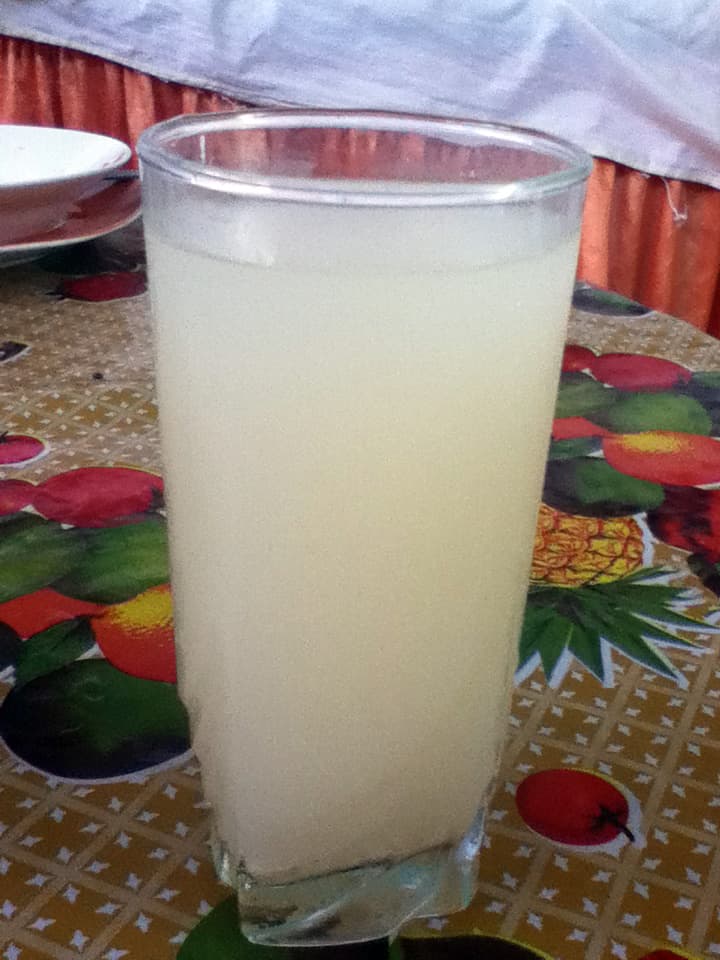
Kissangua

A traditional Angolan fermented drink made from maize

Photo · Wikimedia Commons

What is it?

Kissangua is a traditional Angolan drink made from fermented maize (corn). It has been enjoyed in Angola for centuries, especially in rural communities. It tastes sour and slightly fizzy, a bit like a drinkable yoghurt, and is usually made and shared at community gatherings and celebrations.

Tell me more

To make kissangua, maize flour is mixed with water and left to ferment for a day or two. Fermentation is a natural process where tiny organisms called yeasts and bacteria feed on the sugars in the flour, creating a sour flavour and gentle fizziness — similar to how yoghurt is made from milk.

Kissangua is usually pale and creamy-looking. It is served cool and is very refreshing on a hot day. It is also quite nutritious, as the fermentation process helps release extra vitamins. Many Angolan communities consider kissangua an important part of their cultural heritage.

Sharing a large pot of kissangua is a symbol of friendship and community in Angola. At gatherings, it is often passed around in a communal cup or calabash (a dried gourd used as a bowl). The act of sharing a drink is about more than just thirst — it is a way of coming together.

In the classroom

Walk your class through this in 15 minutes.

Talk together

Discussion prompts

  1. 01Fermentation turns maize flour into something sour and fizzy. Can you think of other foods that are made by fermentation? (Hint: bread, cheese, yoghurt, vinegar...)
  2. 02Sharing food and drink is an important tradition in many cultures. What foods or drinks does your family or community share at special gatherings?
  3. 03Why might a cool, sour drink be especially popular in a hot country?
Try this

Classroom activity

Create a 'fermented foods from around the world' poster. Draw and label kissangua from Angola, then find four other fermented foods from different countries (e.g. kimchi from Korea, sourdough bread, cheese, soy sauce). Write one sentence about how each one is made.