
Classroom lesson · Caribbean Beaches · 🇨🇺 Cuba

Caribbean Beaches

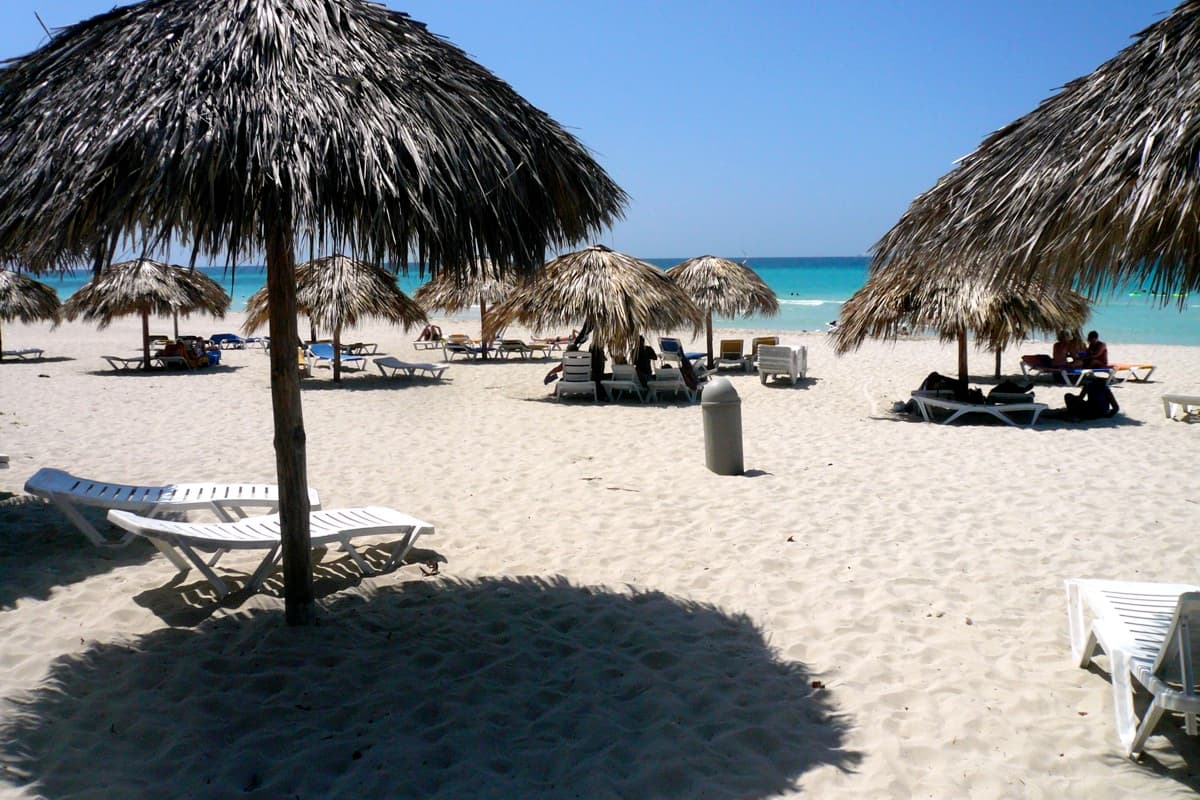
Powdery white sand, turquoise water and waving palm trees

Photo · Wikimedia Commons

What is it?

Cuba has more than 290 beaches, including some of the most beautiful in the entire world. The most famous is Varadero, a long peninsula covered in powdery white sand with warm, crystal-clear turquoise water. Many of Cuba's beaches are home to tiny crabs, sea birds and gentle waves that make them perfect for exploring as well as swimming.

Tell me more

The white colour of Caribbean beach sand comes mostly from broken coral and tiny shell fragments that have been crushed by waves over thousands of years. The sand is so fine and pale that it stays cool even in strong sunshine - another reason it is so lovely to walk on barefoot. Some beaches on the south coast of Cuba have even finer sand that squeaks when you walk on it.

Varadero beach stretches for about 20 kilometres - that is longer than most towns are wide. The water is shallow near the shore and deepens gradually, making it easy to wade out and look at the small fish that dart around your feet. At low tide, rocky pools form at the edges of some beaches and you can find starfish, hermit crabs and tiny sea anemones.

Cuba's coastline also includes mangrove forests - tangles of trees that grow in the shallow salty water at the edge of the sea. Mangroves are nurseries for young fish, who shelter among the roots until they are big enough to swim out to the reef. Flamingos and herons wade through the mangroves looking for food, their long legs perfect for stepping through the mud.

In the classroom

Walk your class through this in 15 minutes.

Talk together

Discussion prompts

  1. 01Why do you think the colour and temperature of sand matters to creatures that live on or near a beach?
  2. 02Mangroves protect baby fish and also protect coastlines from storms. How can one type of tree do two completely different important jobs?
  3. 03Varadero beach is 20 kilometres long. How long is your journey to school? How does that compare?
Try this

Classroom activity

Design a beach field guide. Choose five creatures you might find on or near a Cuban beach (crab, starfish, flamingo, sea turtle, parrotfish). For each one, draw the animal, write two facts about it and describe where exactly on the beach you would look for it.