
Classroom lesson · Music · 🇨🇾 Cyprus

Bouzouki & Oud

The stringed voices of Cypriot music

Photo · Wikimedia Commons

What is it?

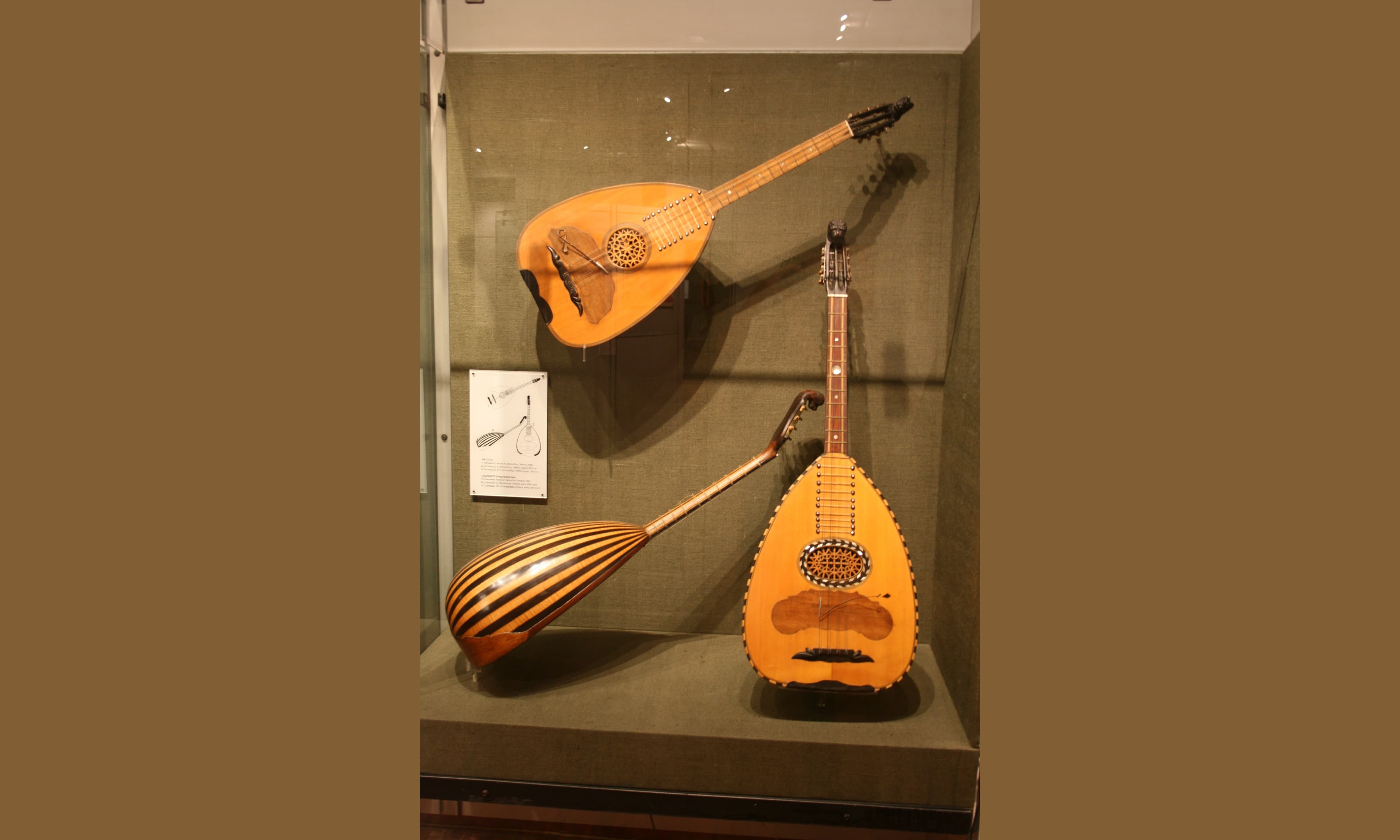
Two beautiful stringed instruments are at the heart of traditional Cypriot music: the bouzouki and the oud. The bouzouki has a long neck and a round body, while the oud is pear-shaped, fretless, and produces a warm, rich sound. Together they create the distinctive sound you hear at Cypriot festivals, weddings, and celebrations.

Tell me more

The bouzouki arrived in Cyprus through its close connection with Greece. It has three or four pairs of metal strings and a bright, ringing sound. When played fast it creates an exciting, dancing rhythm; when played slowly it can sound deeply emotional. It is one of the most recognisable sounds of Mediterranean folk music.

The oud is even older — it has been played across the Middle East, North Africa, and the Mediterranean for thousands of years. In fact, the word 'lute' (the European instrument) comes from 'al-oud', the Arabic name. The oud has no frets on its neck, which means the player can slide between notes to create smooth, curving melodies that sound like a singing voice.

At traditional Cypriot gatherings, you will often hear bouzouki and oud played together along with the violin and percussion instruments. The music moves between fast, energetic dance tunes and slow, heartfelt songs. Lyrics often tell stories about the sea, the mountains, love, and daily life on the island.

In the classroom

Walk your class through this in 15 minutes.

Talk together

Discussion prompts

  1. 01The oud travelled from the Middle East to Europe and became the lute. How do musical instruments spread between cultures?
  2. 02How can music without words still tell a story or make you feel an emotion?
  3. 03What instrument from your own culture would you most like a child in Cyprus to learn about?
Try this

Classroom activity

Listen to a short recording of bouzouki music and a short recording of oud music (ask your teacher to find examples online). Write three words to describe each sound. Then draw both instruments side by side and label their key features: strings, neck, body shape, and material.