
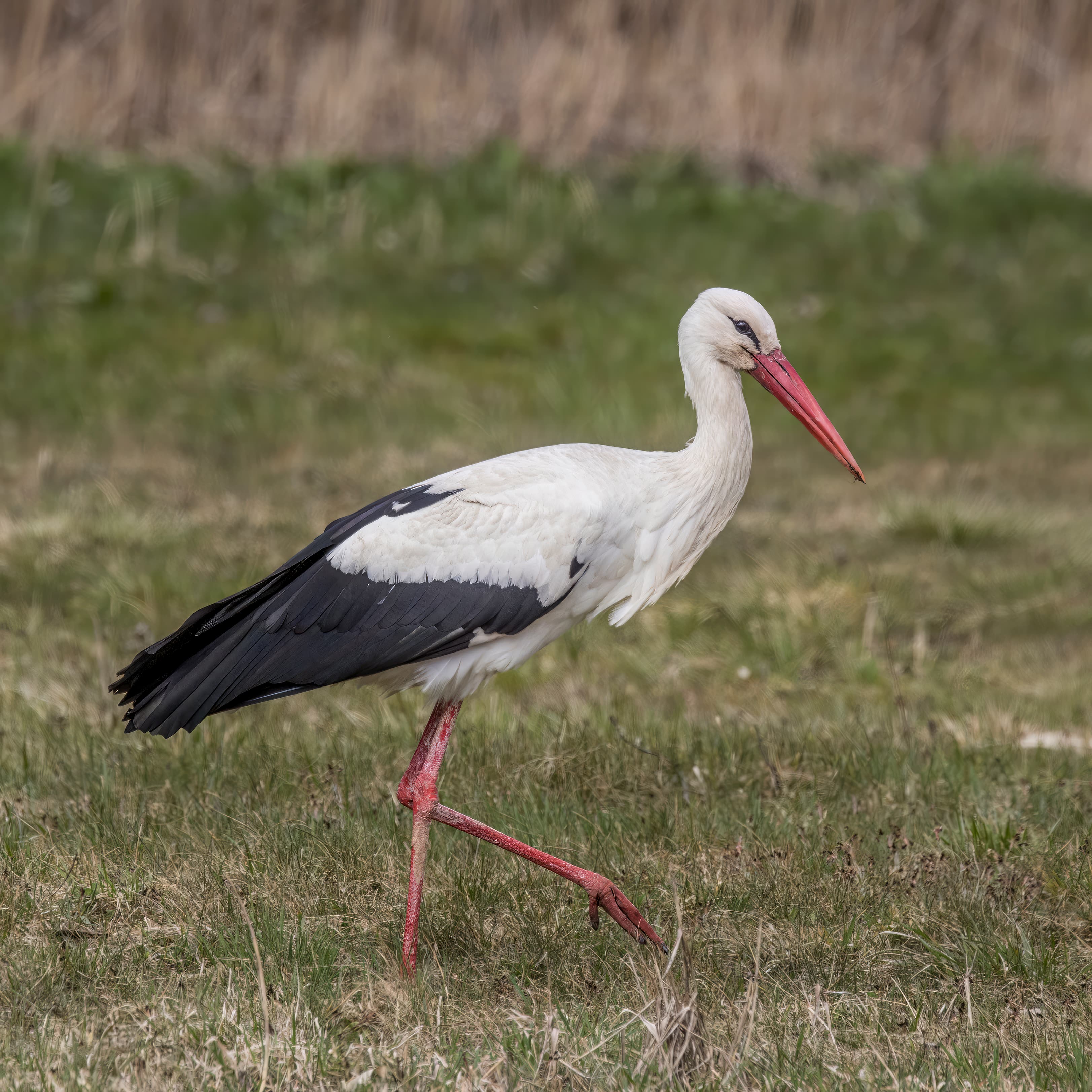
White storks are big birds - their wingspan can reach 2.2 metres, wider than most adults are tall. Despite their size, they are graceful fliers. They fly thousands of kilometres from Africa each spring, arriving in Hungary around March or April, and leave again in August or September to fly back south for the winter.
Storks return to exactly the same nest year after year. A nest that has been used for many generations can become enormous - some old stork nests weigh over 300 kilograms, as heavy as several adults. Pairs of storks add sticks to the nest each year, gradually making it bigger and bigger.
Hungarian villagers have always welcomed storks. Tradition says that if a stork chooses to nest on your roof, it brings good luck to the whole household. People put old cart wheels or wooden platforms on top of chimneys to make it easier for storks to build their nests - a special invitation from human to bird.
White storks are almost silent - they do not have a song like most birds. Instead they communicate by clattering their big red beaks together very quickly, making a loud rattling sound that can be heard across a village. Parents and chicks rattle their beaks at each other as a greeting.