
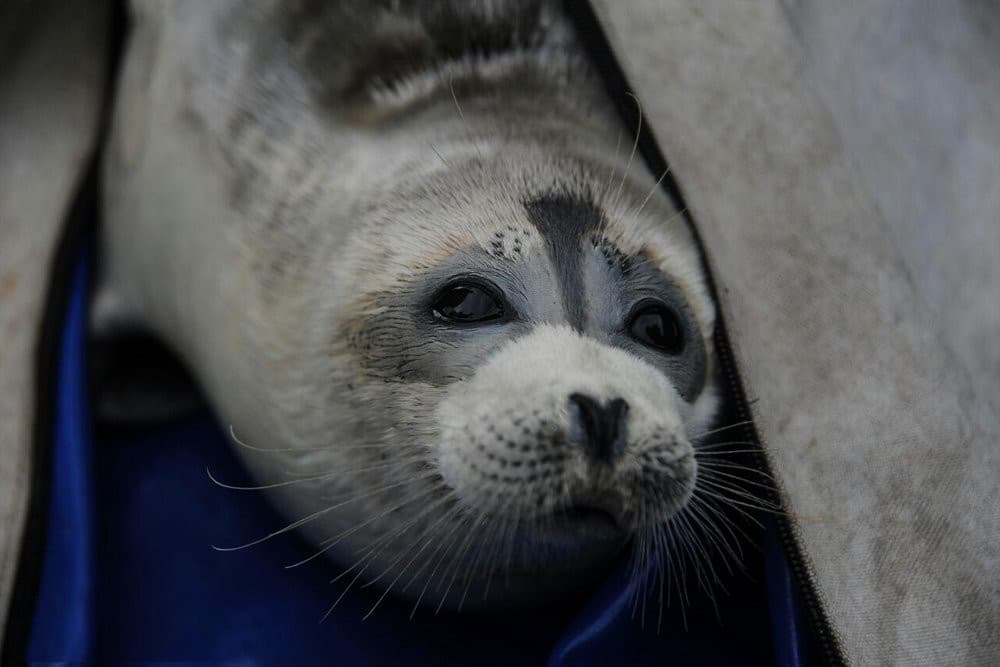
Caspian seals are smaller than most ocean seals - adults are about 1.4 metres long, roughly the size of a large dog. They are expert swimmers and can dive to 200 metres looking for fish. On land, they haul themselves onto beaches and rocky islands to rest and raise their pups. Baby seals are born in January or February, covered in fluffy white fur, and they grow quickly on their mother's rich milk.
Scientists think Caspian seals became isolated in the lake millions of years ago when the Caspian Sea was cut off from the ancient ocean that once covered the region. Over time they evolved into their own unique species, perfectly adapted to lake life. They have a special protein in their blood that helps them make the most of every breath of oxygen when they dive deep.
Caspian seals are considered vulnerable, meaning their numbers have dropped significantly over the past century. They share the sea with fishing boats and face challenges from pollution and changes to their environment. However, researchers from Iran and the other Caspian countries are working together on monitoring projects, and there are protected hauling-out areas where the seals can rest and breed without disturbance.