
Classroom lesson ยท Festival ยท ๐Ÿ‡ฎ๐Ÿ‡ท Iran

Nowruz

Persian New Year โ€“ the ancient spring festival celebrated by millions

Photo ยท Wikimedia Commons

What is it?

Nowruz โ€“ which means 'New Day' in Persian โ€“ is the Persian New Year, celebrated at the exact moment spring begins, around 20 or 21 March. It is one of the oldest festivals in the world, more than 3,000 years old, and today it is celebrated by over 300 million people across Iran, Central Asia and parts of the wider world. Nowruz is a joyful, colourful celebration of nature, fresh starts and togetherness.

Tell me more

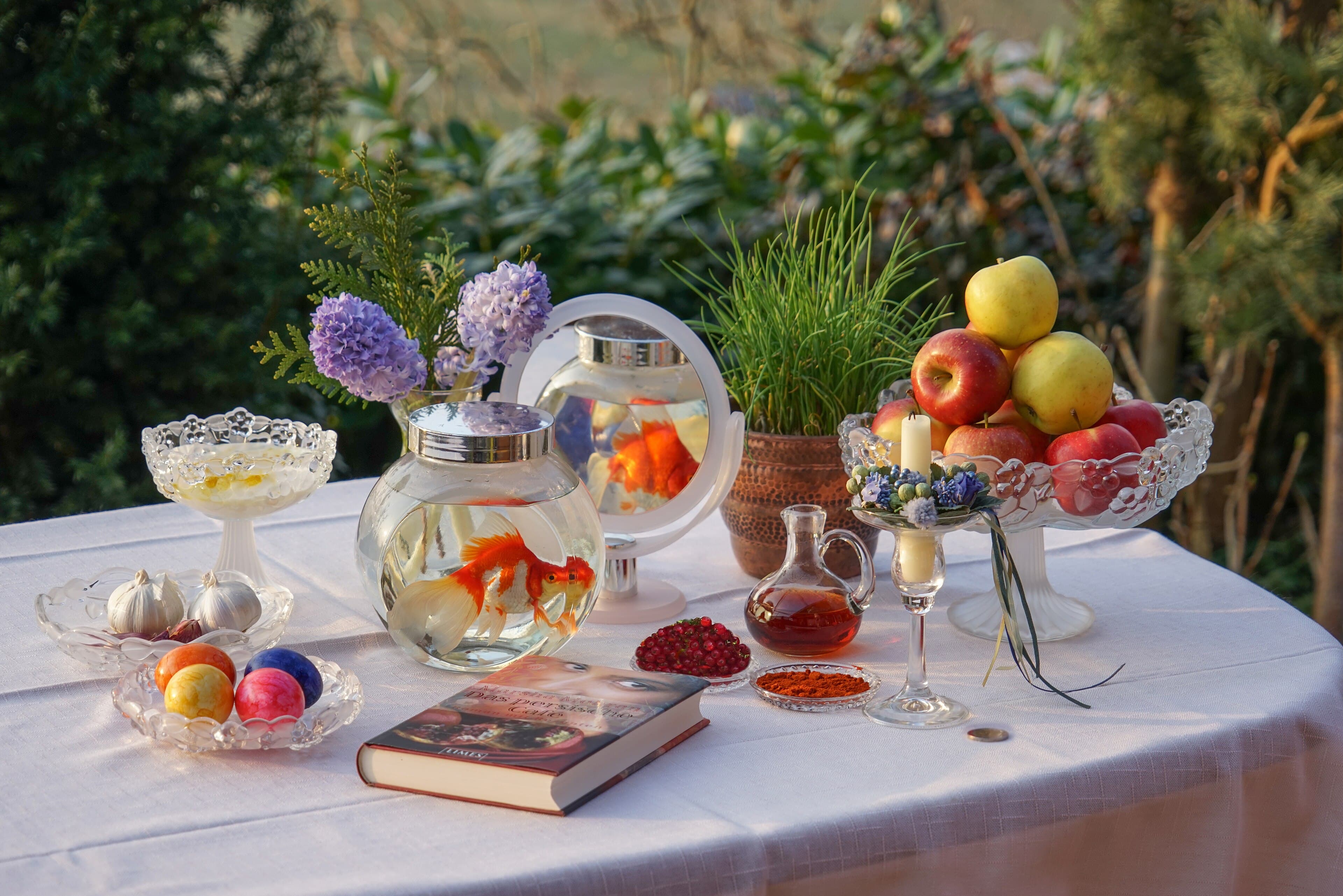
The centrepiece of Nowruz is the 'haft-sin' table โ€“ a beautifully arranged display of seven items that all start with the Persian letter 'S' (sin). Families spend days getting it ready. The traditional items are: sabzeh (sprouting green wheat or lentils, grown especially for the occasion); sib (apples, representing health); serkeh (vinegar, representing patience); somagh (sumac berries, representing the colour of sunrise); senjed (dried lotus berries, representing love); sir (garlic, representing good health); and samanu (a sweet wheat pudding, representing prosperity). Often people also add a goldfish in a bowl, coloured eggs, a mirror, candles and a book of poetry.

In the days before Nowruz, families do a thorough 'khane-tekani' โ€“ which means 'shaking the house'. Every room is cleaned from top to bottom, old things are given away, and new clothes are bought for the whole family. On the last Wednesday before Nowruz comes Chaharshanbe Suri, when people jump over small bonfires in the street, shouting 'give me your red glow and health; take my pale sickness away!' โ€“ a cheerful, energetic way to leave the old year behind. Then on New Year's Eve, the whole family gathers around the haft-sin table and waits together for the exact moment the new year arrives, which is announced on television and radio to the second.

The celebration continues for thirteen days. Families visit each other, bringing sweets and gifts. Children receive presents of crisp new banknotes tucked inside cards. On the thirteenth day โ€“ 'Sizdah Bedar' โ€“ everyone goes outdoors to parks and picnic spots, and the sprouting sabzeh from the haft-sin table is thrown into running water, taking any last bad luck with it. Nowruz is so universal and ancient that UNESCO has placed it on its list of Intangible Cultural Heritage โ€“ a celebration belonging not to one nation but to all of humanity.

In the classroom

Walk your class through this in 15 minutes.

Talk together

Discussion prompts

  1. 01The haft-sin table uses seven items that all begin with the same letter, each representing something positive. If you designed a 'new year table' for your own culture using items starting with a letter of your choice, what seven things would you choose and what would they stand for?
  2. 02Nowruz begins at the exact moment spring starts โ€“ the same second for everyone celebrating. Why might anchoring a celebration to a natural moment (like the start of spring) make it feel special?
  3. 03The celebration ends by throwing the sprouting plants into water to 'wash away bad luck'. Do you have any traditions in your culture that involve water, fire, or nature to mark a new beginning?
  4. 04Nowruz is shared by more than 300 million people across many different countries. What does it feel like to know millions of other people around the world are celebrating the same thing at the same moment?
Try this

Classroom activity

Design your own class haft-sin table. Choose seven objects that could represent seven good wishes for your class this year โ€“ they can all start with any letter you like. Draw each object on a card, write its name and what it represents. Arrange all the cards on a display board as a class 'table of good wishes' for the school year.