
Classroom lesson ยท Wildlife ยท ๐Ÿ‡ฐ๐Ÿ‡ฟ Kazakhstan

Bactrian Camel

The two-humped camel of Central Asia's deserts and steppes

Photo ยท Wikimedia Commons

What is it?

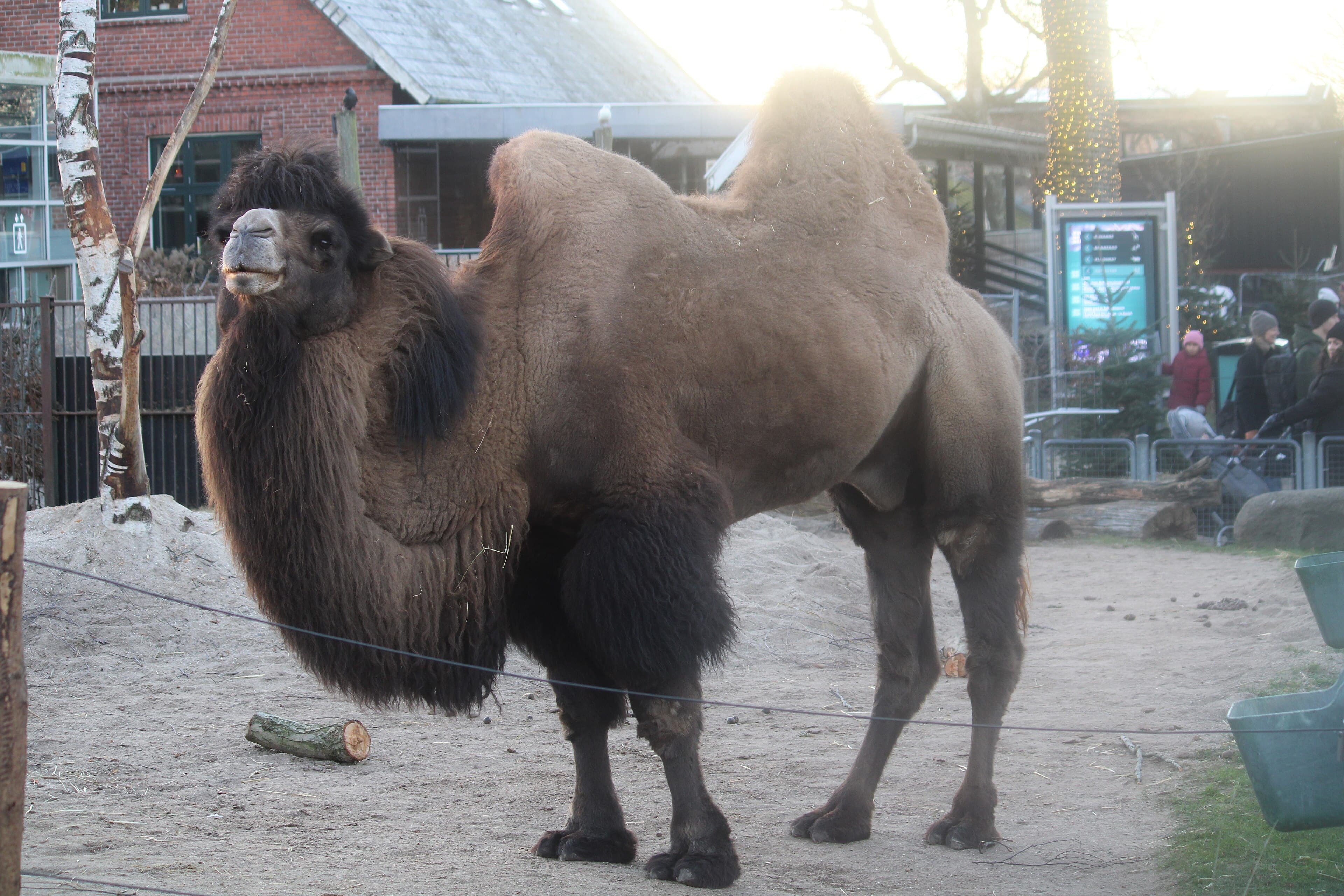
The Bactrian camel is the two-humped camel of Central Asia, and it has been part of life on the Kazakh steppe for thousands of years. Unlike the single-humped dromedary of the Middle East, the Bactrian camel is built for cold as well as heat โ€” its thick, shaggy coat keeps it warm through freezing Central Asian winters, and then it sheds the whole coat in great woolly clumps when summer arrives.

Tell me more

Those two humps do not store water โ€” a common myth! They store fat, which the camel's body can convert into energy when food is scarce. When a camel has eaten and drunk well, its humps stand up firm and tall. After a long journey with little food, they can droop to one side, looking rather floppy.

Bactrian camels can drink an extraordinary amount of water very quickly โ€” up to 135 litres in about 13 minutes โ€” and then go for days without drinking again. Their nostrils can seal shut to keep out sandstorms, and their thick eyelashes protect their eyes from blowing dust.

In Kazakhstan, camels have long been important working animals โ€” carrying goods across the steppe, providing thick wool that can be spun into warm yarn, and producing rich milk that is drunk fresh or fermented. Camel racing is also a traditional competition at some festivals.

Wild Bactrian camels โ€” a separate species from the domesticated ones โ€” are now one of the rarest large mammals on Earth. Domesticated Bactrian camels, however, remain common across Kazakhstan and are still an important part of rural life and herding traditions.

In the classroom

Walk your class through this in 15 minutes.

Talk together

Discussion prompts

  1. 01Camels are perfectly adapted for harsh desert and steppe life. What adaptations help them survive? Can you think of other animals adapted for extreme environments?
  2. 02The camel's humps store fat, not water โ€” a very common myth. Why do you think people believed the water myth? How can we find out if something we believe is actually true?
  3. 03Camels have been important working animals for thousands of years. What modern machines do some of the same jobs that camels used to do?
Try this

Classroom activity

Draw a Bactrian camel and label at least five of its special adaptations (e.g. two humps, sealed nostrils, thick eyelashes, wide feet, shaggy coat). For each one, write one sentence explaining why it helps the camel survive.