
Classroom lesson · Wildlife · 🇽🇰 Kosovo

Balkan Lynx

One of Europe's rarest wild cats

Photo · Wikimedia Commons

What is it?

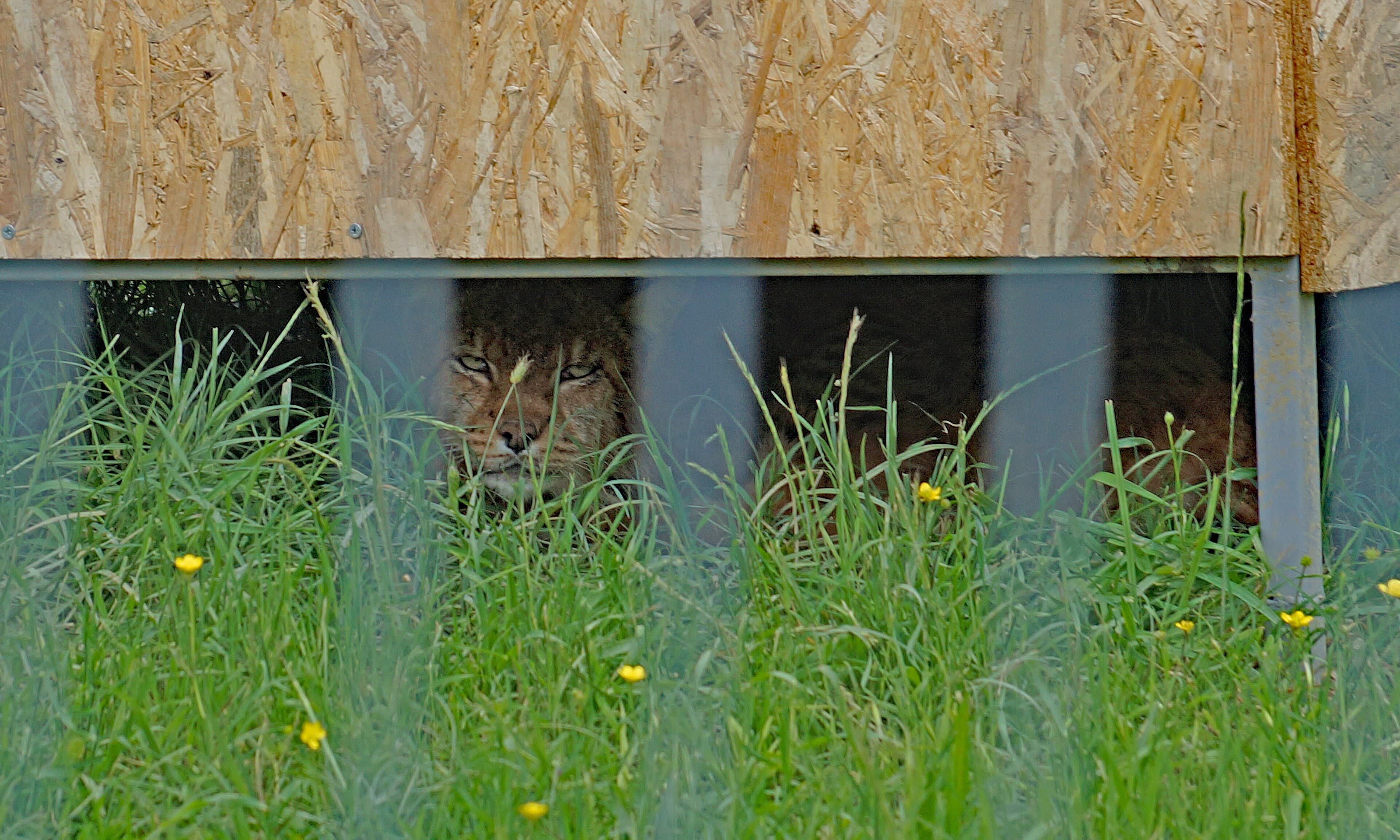
The Balkan lynx is one of the rarest wild cats on Earth. It is a medium-sized wild cat with spotted fur, tufted black ear tips and enormous paws that act like natural snowshoes. Scientists estimate that fewer than 50 Balkan lynx survive in the wild, making every single individual precious.

Tell me more

The Balkan lynx is a subspecies of the Eurasian lynx — meaning it is a distinct regional variety that has lived in the mountains of the western Balkans for thousands of years. It is perfectly built for mountain life: its thick spotted coat keeps it warm in freezing winters, its wide paws spread its weight on snow so it can move silently, and its large yellow eyes give excellent night vision.

Lynx are solitary and incredibly secretive. They hunt mainly at dawn and dusk, stalking roe deer, chamois and smaller animals through the forest. Most people who live near lynx habitat have never seen one in the wild — the cats are expert at staying hidden. Camera traps set up by scientists sometimes catch glimpses of them padding silently through the trees at night.

Conservation teams in Kosovo and neighbouring countries work hard to protect the Balkan lynx. They monitor individual animals, protect their forest habitat from being cleared, and study where the cats travel. Some lynx have been fitted with GPS collars so scientists can follow their movements and make sure their territory is kept safe.

The Balkan lynx is considered a symbol of wild nature in Kosovo and the wider region. Its image appears on logos, stamps and conservation campaigns. Protecting the lynx also helps protect the whole mountain ecosystem it lives in — the forests, the deer, the rivers, all working together.

In the classroom

Walk your class through this in 15 minutes.

Talk together

Discussion prompts

  1. 01The Balkan lynx is so rare that scientists know some individual animals by name. Why is it important to track and understand individual animals when a species is endangered?
  2. 02Lynx are nocturnal hunters who are almost never seen. What adaptations (special body features) help a predator hunt successfully at night?
  3. 03Protecting the lynx also protects the whole forest ecosystem around it. Can you think of other examples where protecting one animal helps many others at the same time?
  4. 04If you were designing a camera trap to photograph a lynx, where in the forest would you put it, and why?
Try this

Classroom activity

Research one adaptation of the Balkan lynx (spotted coat, wide paws, tufted ears, or large eyes) and draw a labelled diagram showing how that feature helps the cat survive in its mountain habitat. Present your diagram to a partner and explain the science behind the adaptation.