
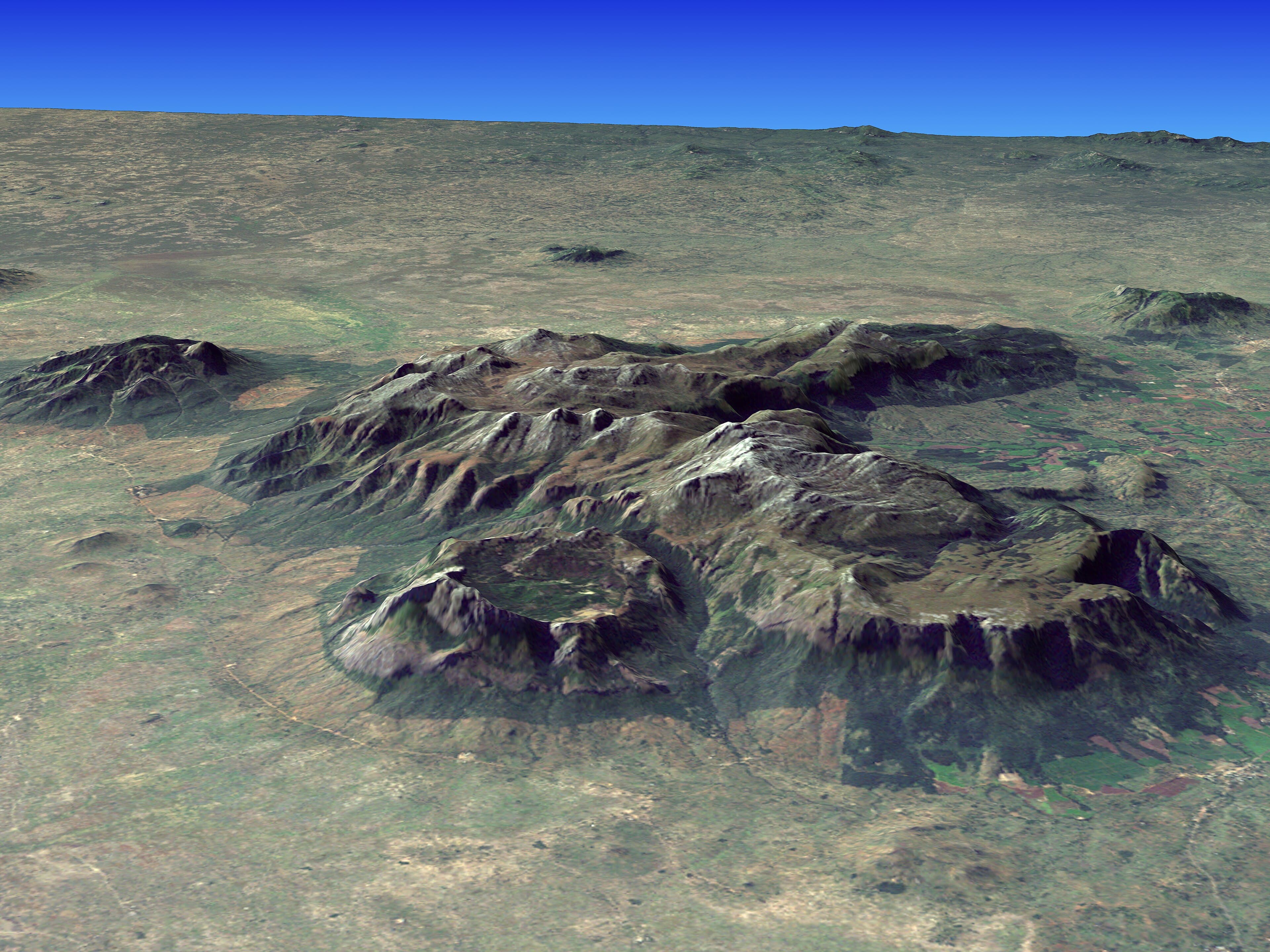
Mulanje is not one pointed peak like many famous mountains - it is more like a giant rocky island floating above the surrounding countryside. Its flat-topped plateau stretches for about 600 square kilometres and is covered with streams, waterfalls, forests of giant Mulanje cedar trees, and grassy clearings. The Mulanje cedar grows nowhere else on Earth.
Tea plantations cling to the lower slopes of the mountain, their bright green rows stretching in neat lines as far as you can see. Farmers have grown tea here for over a hundred years, and the picked leaves are still carried down the mountain paths by hand. On misty mornings the tea gardens look like a green blanket draped over the hillside.
The massif is a paradise for hikers and climbers. There are mountain huts high up on the plateau where walkers can stay overnight, cooking on small stoves and listening to the wind. The boulders and rock faces attract rock climbers from many countries - some of the routes are among the most challenging in Africa.
Local Yao and Lomwe people have stories about the mountain that have been told for generations. They say Sapitwa ('don't go there' in the local language) is home to powerful spirits, which is why it was given such a warning as its name. Today the mountain is a forest reserve, and rangers help look after its rare plants and animals.