
Classroom lesson Β· Food Β· πŸ‡²πŸ‡» Maldives

Mas Huni

The Maldivian breakfast of tuna, coconut, and onion

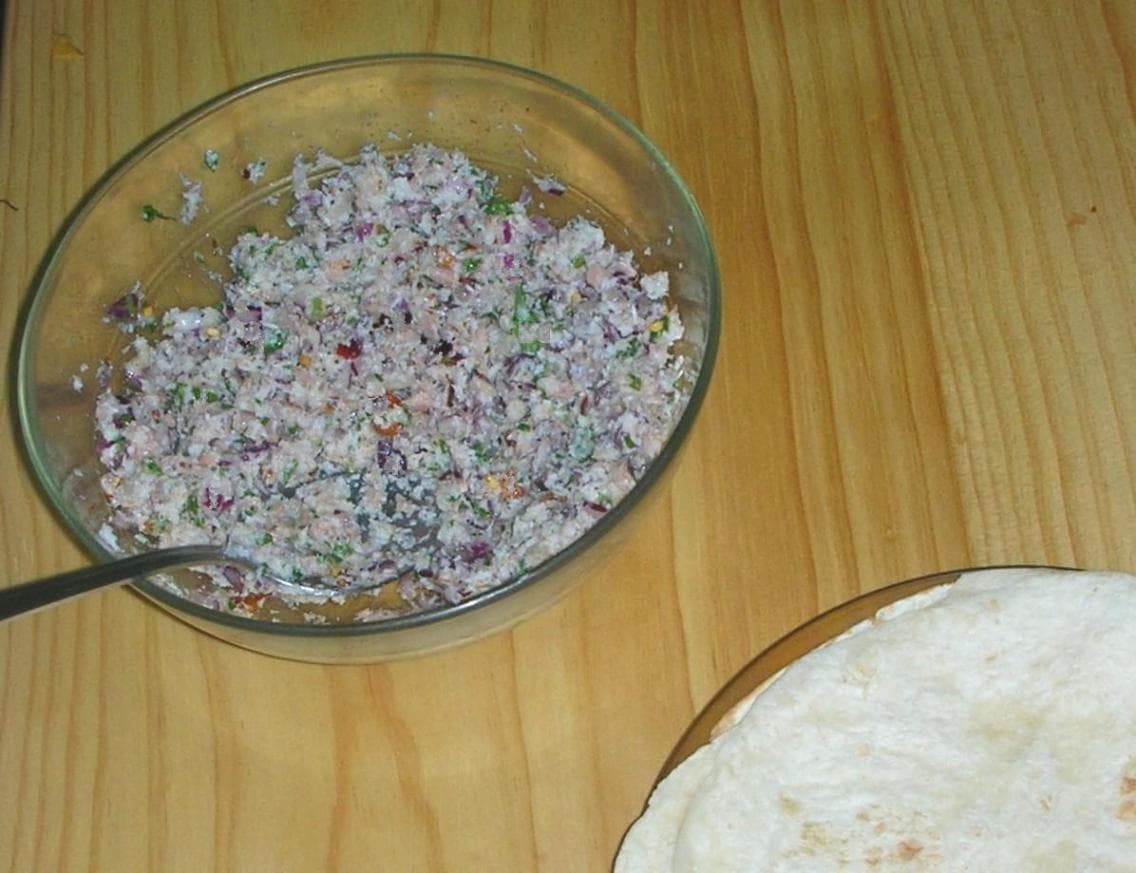
Photo Β· Wikimedia Commons

What is it?

Mas huni is the most beloved breakfast in the Maldives. It is made from smoked and shredded tuna mixed together with freshly grated coconut, finely chopped onion, chilli, and lime juice. It is served rolled up in roshi, a soft flatbread, and eaten with your hands. Simple, fresh, and incredibly delicious.

Tell me more

The name means 'fish mixture' in Dhivehi β€” 'mas' means fish and 'huni' means grated coconut. The key ingredient is cured and smoked tuna called 'mas', which has been a staple of Maldivian cooking for centuries because tuna is the most plentiful fish in the surrounding Indian Ocean. Skipjack and yellowfin tuna are the most commonly used species.

Making fresh coconut is central to Maldivian cooking. Coconut palms grow on almost every island, and freshly grated coconut has a sweet, milky flavour completely different from the desiccated coconut used in most Western baking. In the Maldives, coconut appears in breakfasts, curries, sweets, and drinks β€” it is as everyday as butter or oil in other cuisines.

Mas huni is mixed by hand, with the ingredients gently combined so the flavours β€” salty tuna, sweet coconut, sharp onion and lime β€” balance each other perfectly. It is eaten wrapped in warm roshi flatbread. Families often eat it sitting together in the morning before the day's work or school begins.

Beyond breakfast, tuna is central to the whole Maldivian diet and economy. The Maldives uses a traditional and sustainable fishing method called pole-and-line, where single fish are caught one at a time on a barbless hook. This means very little is wasted and other sea creatures are not accidentally caught β€” it is one of the most environmentally careful ways of fishing in the world.

In the classroom

Walk your class through this in 15 minutes.

Talk together

Discussion prompts

  1. 01Mas huni uses ingredients that are grown or caught on the islands β€” tuna from the sea, coconut from the trees. What local ingredients are used in traditional food where you live?
  2. 02Maldivian fishing is designed to catch only one fish at a time and not waste anything. Why is that kind of care important for the ocean?
  3. 03If you were creating a traditional breakfast for your country, what three ingredients would you definitely include and why?
Try this

Classroom activity

Create a 'breakfast from the islands' menu card. Design a restaurant menu for a Maldivian breakfast β€” include mas huni with roshi, a description of each ingredient, and a price in Maldivian rufiyaa (look up the currency). Illustrate the dish. Compare menus across the class and vote for the most appetising description.