
Classroom lesson ยท Music ยท ๐Ÿ‡ฒ๐Ÿ‡ณ Mongolia

Throat Singing (Khoomei)

One person, two voices โ€” a sound from the mountains and wind

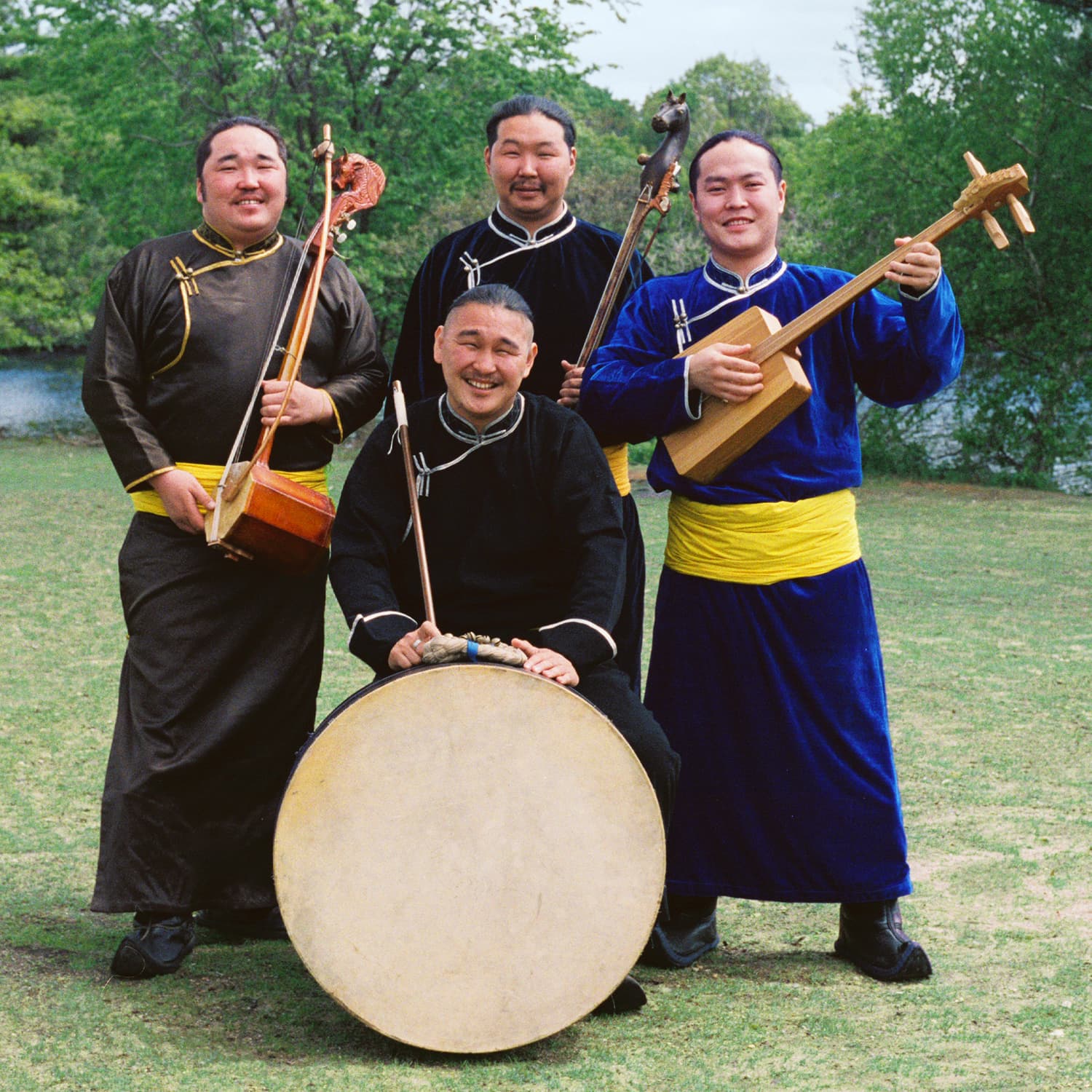
Photo ยท Wikimedia Commons

What is it?

Khoomei (say it: hoo-MAY) is a remarkable style of singing from Mongolia where one person produces two or even three notes at exactly the same time. The singer makes a low, buzzing drone and then, by carefully shaping their mouth and throat, an eerie, flute-like melody floats above it. It sounds like the wind humming through mountains, or a river bubbling over stones.

Tell me more

Throat singing has been practised on the Mongolian steppe and in the neighbouring Tuva region of Russia for centuries. Nomadic people say it grew from the desire to copy the sounds of nature โ€” the wind, rivers, birds and the steppe itself. Traditional singers believe the voice carries spiritual power and that certain styles can attract good luck or connect with the spirit world of the landscape.

There are several different styles of khoomei. Kargyraa is the deepest, most rumbling style โ€” so low it almost vibrates in your chest. Sygyt produces a high, whistling melody that seems almost impossible from a human voice. Khoomei itself is the most common style, producing a warm, rounded overtone. Singers spend years practising to control their voices so precisely.

Today, Mongolian throat singing is recognised by UNESCO as an important piece of intangible world heritage โ€” a cultural tradition worth protecting and celebrating. You can hear it performed at Naadam, in concert halls in Ulaanbaatar, and on the steppe when a herder sings to calm their animals at dusk. It has also spread around the world, inspiring musicians in many different countries.

In the classroom

Walk your class through this in 15 minutes.

Talk together

Discussion prompts

  1. 01Khoomei is said to sound like wind, rivers and nature. Close your eyes and listen to an example โ€” what does it make you picture?
  2. 02Why might early nomads on the steppe want to copy the sounds of nature in their music?
  3. 03UNESCO protects throat singing as 'intangible heritage' โ€” something important that cannot be touched. What other invisible traditions or skills do you think are worth protecting?
Try this

Classroom activity

Explore overtone singing yourself! Hum a low, comfortable note and then slowly change the shape of your mouth from 'ooo' to 'eee'. You may hear the pitch seem to change or a faint extra sound appear. In groups, everyone hums a different note and listen to the sound you make together. Discuss: what does it remind you of?