
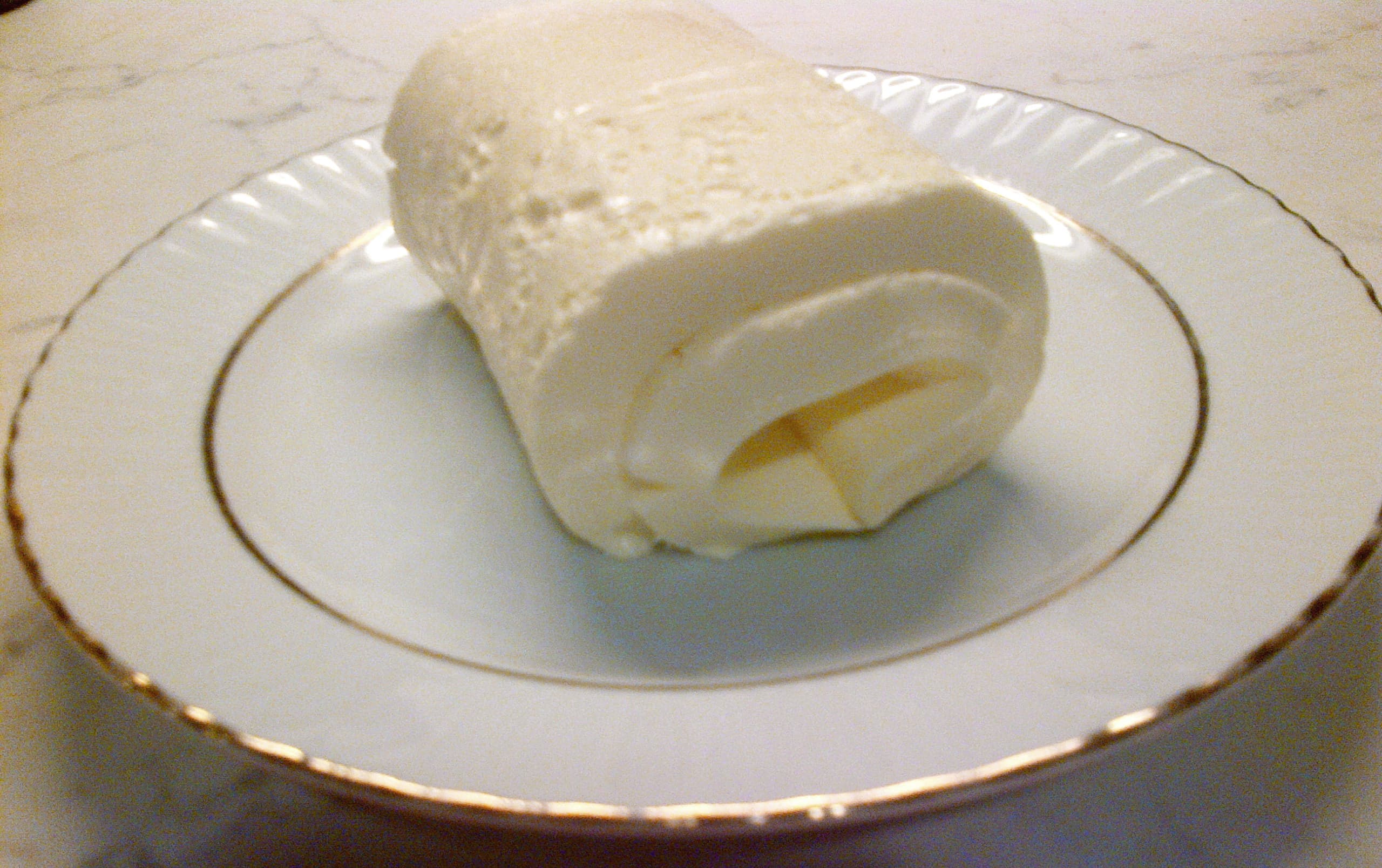
Making kajmak starts with very fresh, full-fat milk - ideally from cows or sheep that have been grazing on mountain meadow grass. The milk is gently heated in wide, shallow pans and left to cool slowly. As it cools, a thick layer of cream rises to the surface and sets. This layer is carefully skimmed off and collected - and that is kajmak.
The word 'kajmak' comes from a Turkish word meaning 'cream' or 'skimmed'. It arrived in Montenegro centuries ago and became so much a part of local food culture that today it is hard to imagine a Montenegrin table without it. The best kajmak is made by families in mountain villages using milk from their own animals, and the flavour changes subtly depending on what the animals have been eating.
Kajmak appears in so many dishes that Montenegrins sometimes joke their country runs on it. It is piled on top of kačamak, stuffed inside flatbreads, served with grilled meats and eaten with honey as a breakfast treat. Some families have been making kajmak the same way, in the same kind of wooden bowl, for generations.