
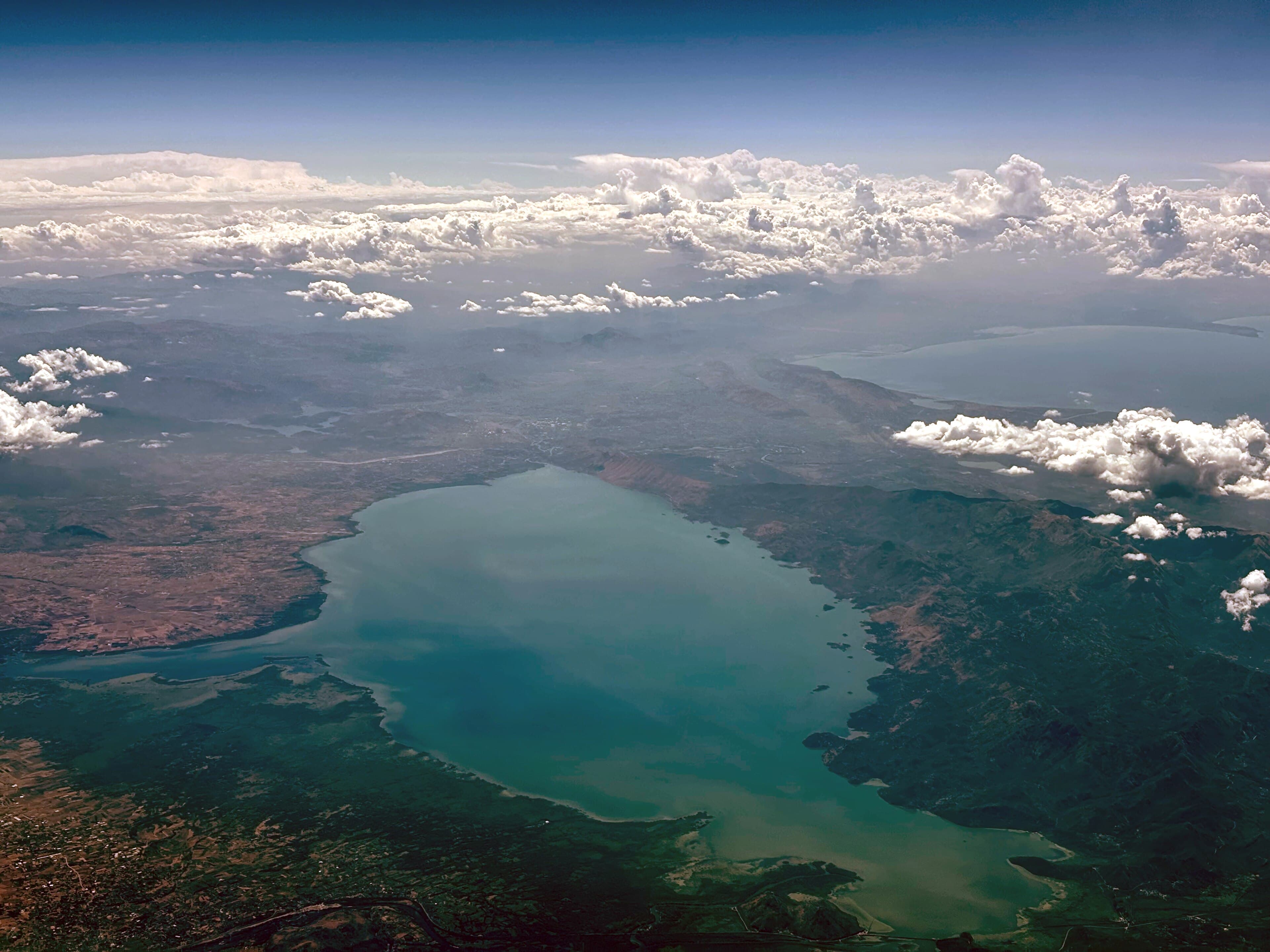
In spring the lake is carpeted with water lilies that open white flowers in the morning sun. Traditional flat-bottomed wooden boats called 'trupa' glide silently among the lily pads, and fishermen use ancient techniques passed down for generations. The lake is so rich in fish that it has fed the local villages for thousands of years.
More than 280 species of birds have been spotted at Lake Skadar. It is one of the most important breeding sites in Europe for the Dalmatian pelican, one of the world's biggest flying birds, with a wingspan that can reach nearly three metres. Herons, cormorants, egrets and ducks also nest among the reeds in enormous numbers.
Around the lake's shores stand the ruins of ancient fortresses and monasteries, some of them half-submerged in the water when the lake rises in winter. Tiny island monasteries sit on rocky outcrops in the middle of the lake, connected to the mainland only by boat. The whole lake and its surrounding land is a national park, protecting both the wildlife and the history together.