
Classroom lesson ยท Fruit Bat ยท ๐Ÿ‡ต๐Ÿ‡ผ Palau

Fruit Bat

Palau's flying gardeners who spread seeds across the islands

Photo ยท Wikimedia Commons

What is it?

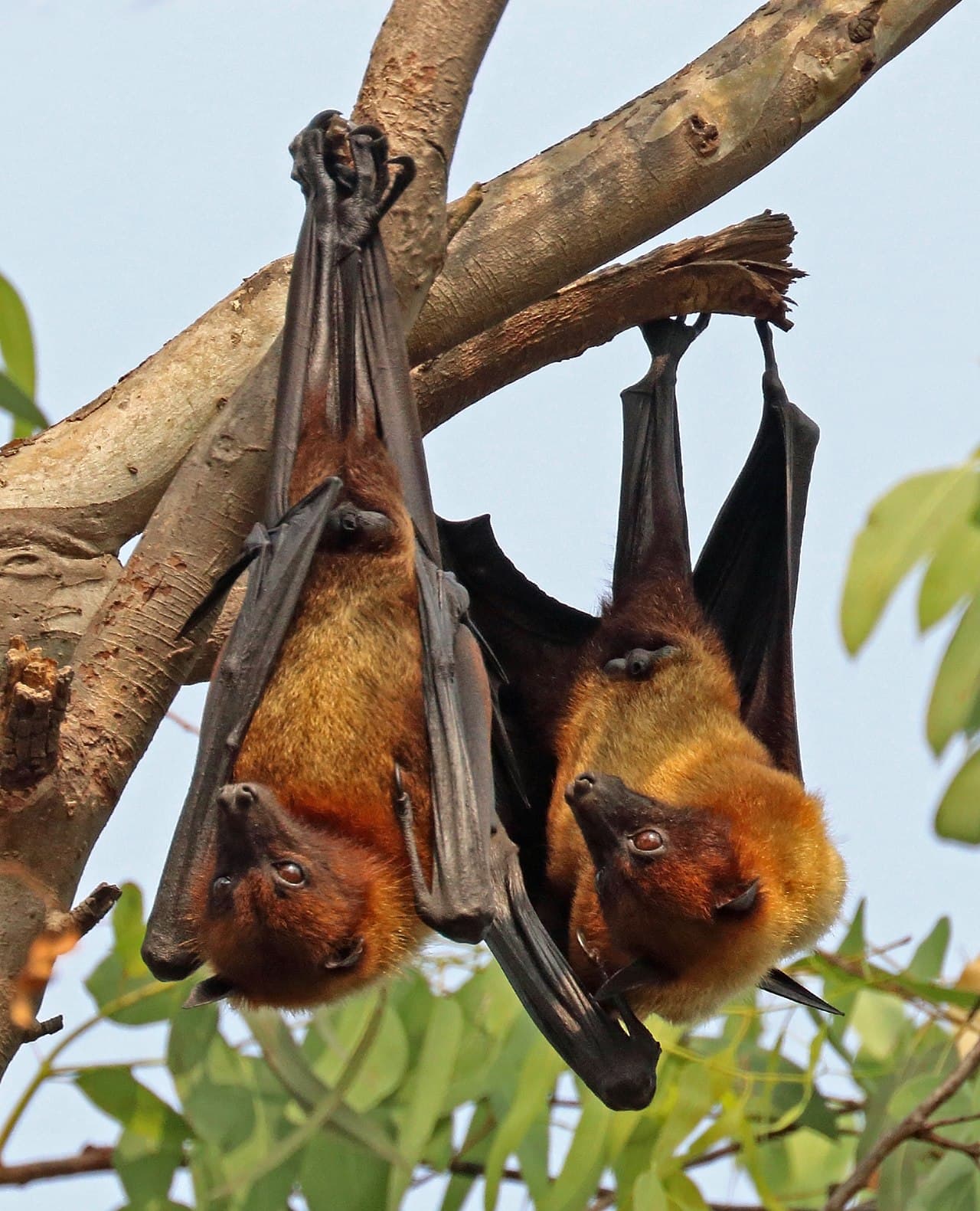
Palau is home to large fruit bats โ€” sometimes called flying foxes โ€” that roost in the jungle trees by day and fly out at dusk to eat fruit and nectar from flowers. With wingspans that can reach nearly a metre, they are impressive animals, and they play a vital role in keeping Palau's forests healthy.

Tell me more

Fruit bats are not like the small insect-eating bats found in caves. They have large eyes and excellent colour vision for spotting ripe fruit in the trees at dusk, and they navigate mostly by sight rather than echolocation. Up close, their faces look quite like a small fox โ€” which is why they are also called flying foxes.

As fruit bats travel between trees eating fruit, they carry seeds in their gut and deposit them far from where they ate. This is called seed dispersal, and it is one of the most important jobs any animal can do for a forest. Without fruit bats spreading seeds, many of Palau's jungle trees would struggle to reproduce.

In the evening, colonies of fruit bats take to the sky over Babeldaob island, darkening the air with their numbers. Local people have traditionally cooked fruit bat as a dish for special occasions โ€” it is a part of Palauan food heritage. Today, conservation efforts balance traditional use with keeping bat populations healthy.

In the classroom

Walk your class through this in 15 minutes.

Talk together

Discussion prompts

  1. 01Fruit bats help forests grow by spreading seeds. How many other animals can you think of that spread seeds?
  2. 02Fruit bats come out at dusk. What adaptations (special features) help them find food in low light?
  3. 03Why is it important to protect animals that help other plants and animals survive?
Try this

Classroom activity

Create a 'seed journey' diagram. Draw a fruit bat eating a piece of fruit in one tree, then draw an arrow showing it flying to another tree. Show the seed passing through its body and landing in the soil where a new seedling sprouts. Label each stage of the journey.