
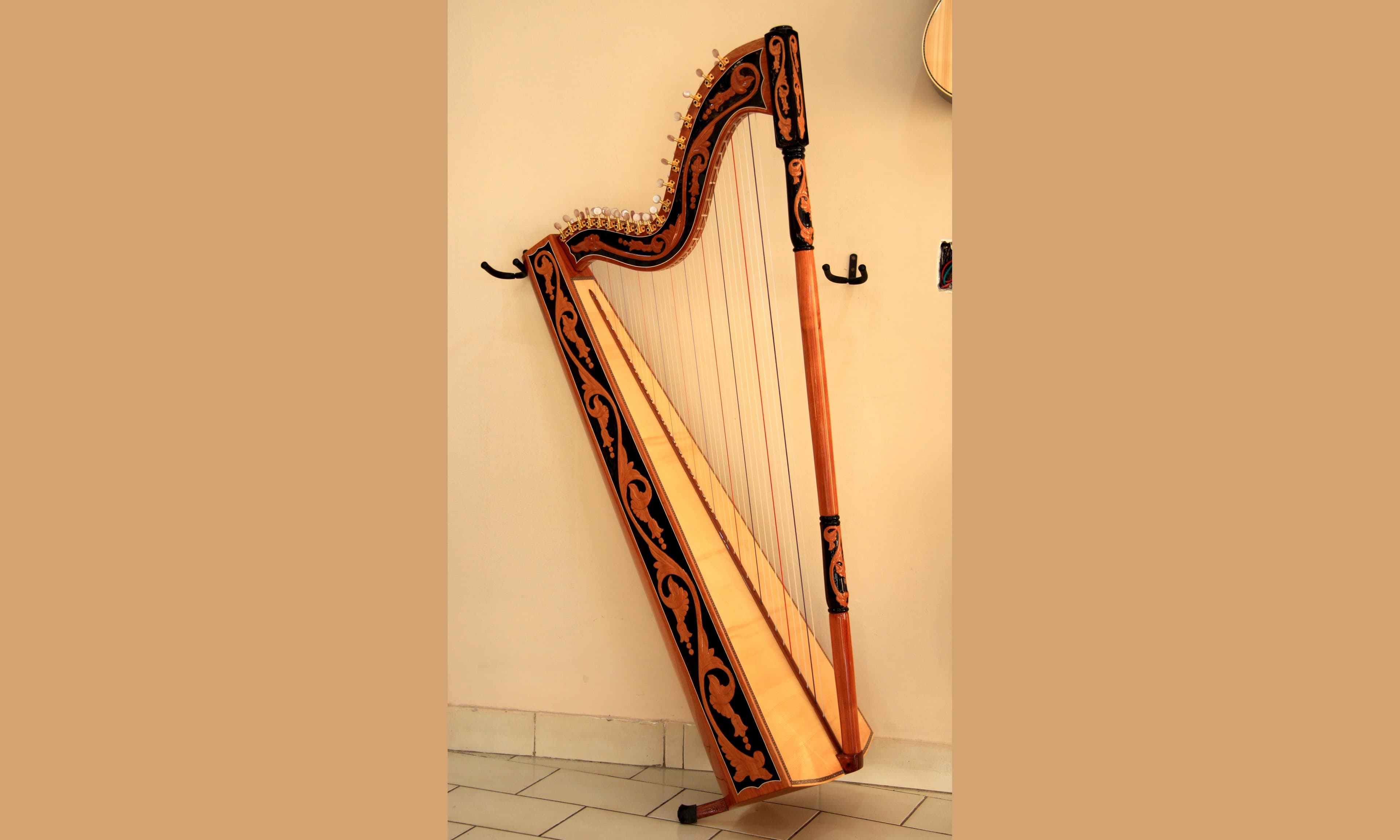
The Paraguayan harp has between 36 and 46 strings and is lighter and smaller than the orchestral harps you might see in a symphony orchestra. This makes it easier to carry to celebrations and outdoor performances. Harpists traditionally play without shoes, feeling the vibrations of the instrument through the floor - a detail visitors to concerts often find magical.
Harp music arrived in Paraguay with European missionaries hundreds of years ago, but the Guaraní people and later mestizo (mixed-heritage) musicians transformed it into something completely new. They added faster rhythms, folk melodies, and ornaments (little decorative runs of notes) that give Paraguayan harp music its unmistakable joyful energy.
Today Paraguayan harpists perform at weddings, festivals, and restaurants, as well as on global concert stages. Child prodigies - young musicians who show extraordinary talent very early - are celebrated in Paraguay, and it is not unusual to see a ten-year-old playing concert-level harp at a local festival. Schools across the country offer harp lessons as a normal part of music education.