
Classroom lesson Β· Souq Waqif Β· πŸ‡ΆπŸ‡¦ Qatar

Souq Waqif

A bustling old market where spices, falcons, and coffee fill the air

Photo Β· Wikimedia Commons

What is it?

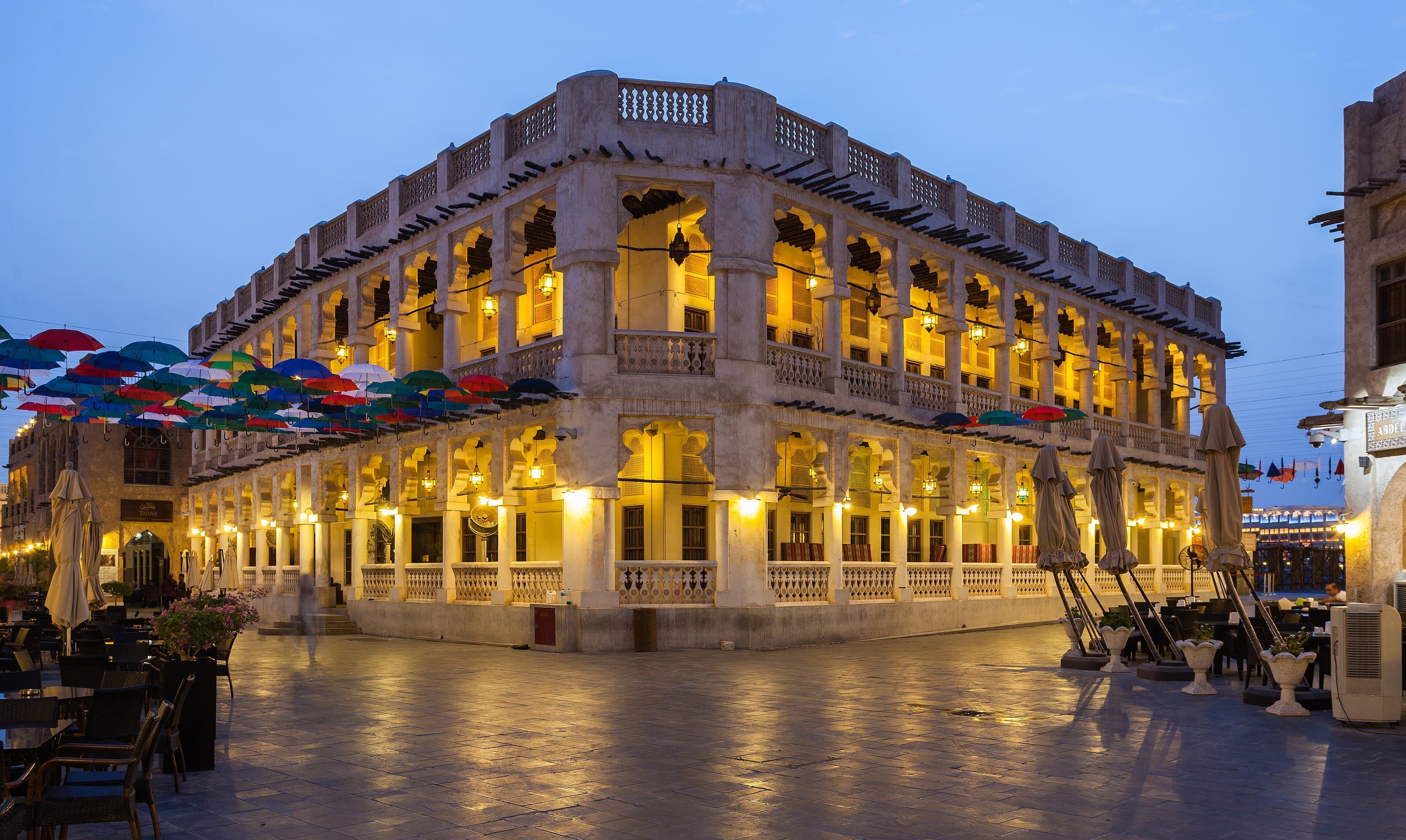
Souq Waqif is one of the oldest and most famous markets in Qatar. The word 'souq' means market in Arabic, and 'waqif' means standing – because traders once stood in the open air to sell their goods. Today it is a maze of narrow lanes, lanterns, spice stalls, and coffee shops in the heart of Doha.

Tell me more

Walking through Souq Waqif is an adventure for all five senses. The smell of cardamom, cinnamon, and rose water drifts from spice shops piled high with colourful sacks. Craftspeople sell handmade baskets, fabrics, and traditional Qatari clothing. Musicians sometimes play in the alleyways in the evenings.

One of the most unusual parts of the souq is the falcon market. Qatar has a long tradition of falconry – training wild birds to hunt – and the falcon market is where people buy, sell, and care for these magnificent birds. You can see falconers carrying their birds on special gloves called gauntlets.

There is also a pet market, restaurants serving traditional Qatari food, and a section for Arabic perfumes. Many Qatari families visit Souq Waqif in the evenings when the air is cooler. The buildings have been carefully restored to look the way they did hundreds of years ago, with thick mud-plaster walls that stay cool in the heat.

In the classroom

Walk your class through this in 15 minutes.

Talk together

Discussion prompts

  1. 01Markets like Souq Waqif existed before supermarkets. How is shopping in a market different from shopping in a shop?
  2. 02Falconry is a very old tradition. Why might people want to keep old skills alive even when they are no longer needed for finding food?
  3. 03If you had a stall in a market, what would you sell and how would you decorate it?
Try this

Classroom activity

Set up a 'class souq'. Each child prepares a small tray of five items from home (toys, stationery, etc.) and makes a little sign with a name and price. Spend ten minutes 'trading' using pretend money made from cut paper.