
Classroom lesson ยท Atlantic Coast at Pointe-Noire ยท ๐Ÿ‡จ๐Ÿ‡ฌ Republic of the Congo

Atlantic Coast at Pointe-Noire

Congo's ocean city, where the rainforest meets the sea

Photo ยท Wikimedia Commons

What is it?

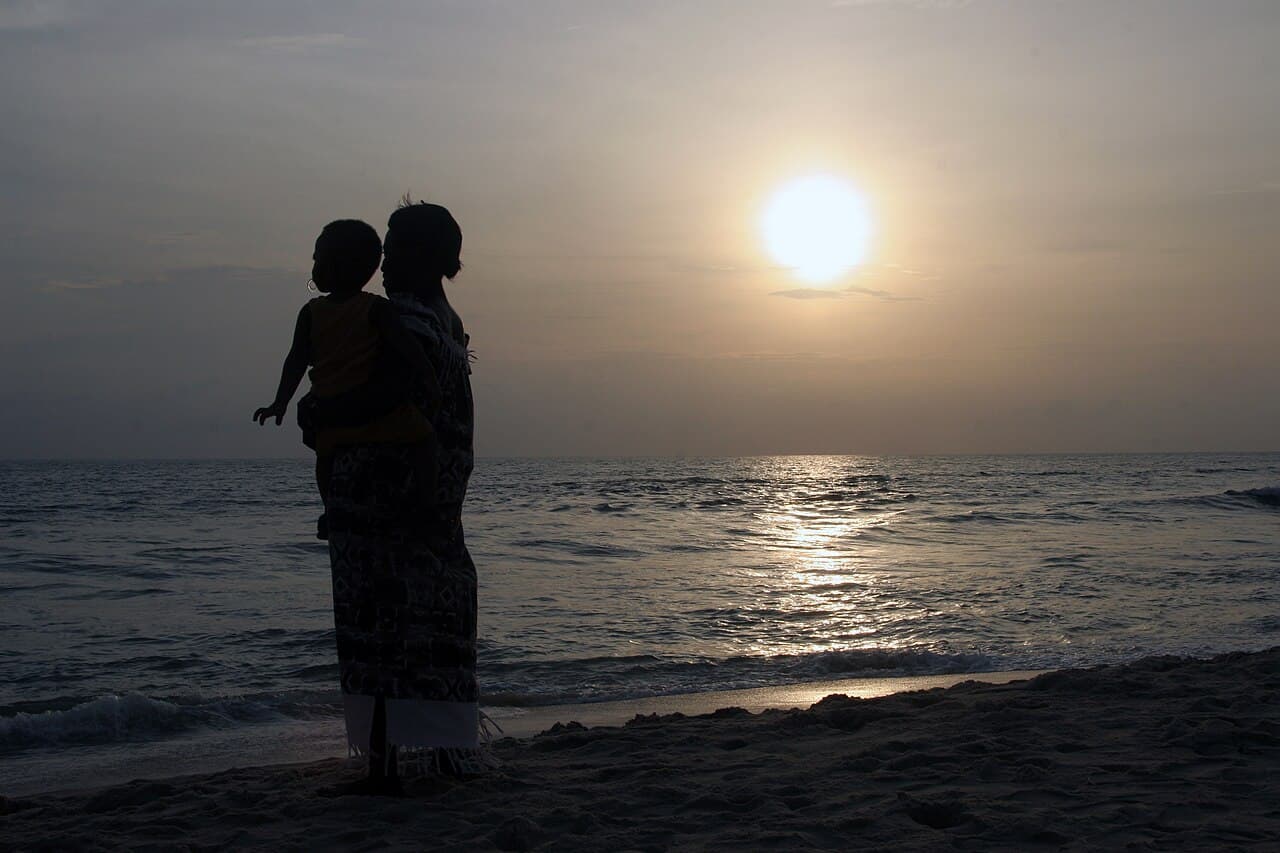
Pointe-Noire is the Republic of the Congo's main port city, sitting on the Atlantic coast where the ocean meets the land. It is the country's second-largest city and its most important place for fishing and trade. The beaches here stretch for kilometres, with warm waves rolling in from the vast Atlantic Ocean.

Tell me more

Pointe-Noire's harbour is always busy โ€” large ships carry goods in and out, and colourful wooden fishing boats head out to sea every morning before sunrise. Fishermen bring back all kinds of fish including barracuda, mackerel and grouper, which are then sold in the lively beach markets.

The ocean at Pointe-Noire is home to leatherback turtles, which come ashore at night on the nearby beaches to lay their eggs in the sand. These turtles are among the largest reptiles in the world โ€” they can grow to nearly two metres long. Conservation teams carefully protect the nesting sites.

The coastline near Pointe-Noire is also where the Congo River's vast outflow of fresh water meets the salt water of the Atlantic. This mixing zone creates a special environment that supports huge numbers of sea birds, dolphins and fish. Standing on the beach here, you can feel like you are at the edge of the entire African continent.

In the classroom

Walk your class through this in 15 minutes.

Talk together

Discussion prompts

  1. 01Fishermen set off before sunrise. Why might early morning be the best time to go fishing?
  2. 02Leatherback turtles come onto the beach at night to lay eggs. Why might they choose night-time?
  3. 03Fresh water from a river and salt water from the sea meet near Pointe-Noire. What do you think happens to fish and birds in that special mixing zone?
Try this

Classroom activity

Design a simple information poster about leatherback turtles for a beach visitor centre. Include: how big they are, why they come to the beach, how conservationists protect the nests and what visitors should (and should not!) do when they see turtle tracks in the sand.