
Classroom lesson ยท Wildlife ยท ๐Ÿ‡จ๐Ÿ‡ฌ Republic of the Congo

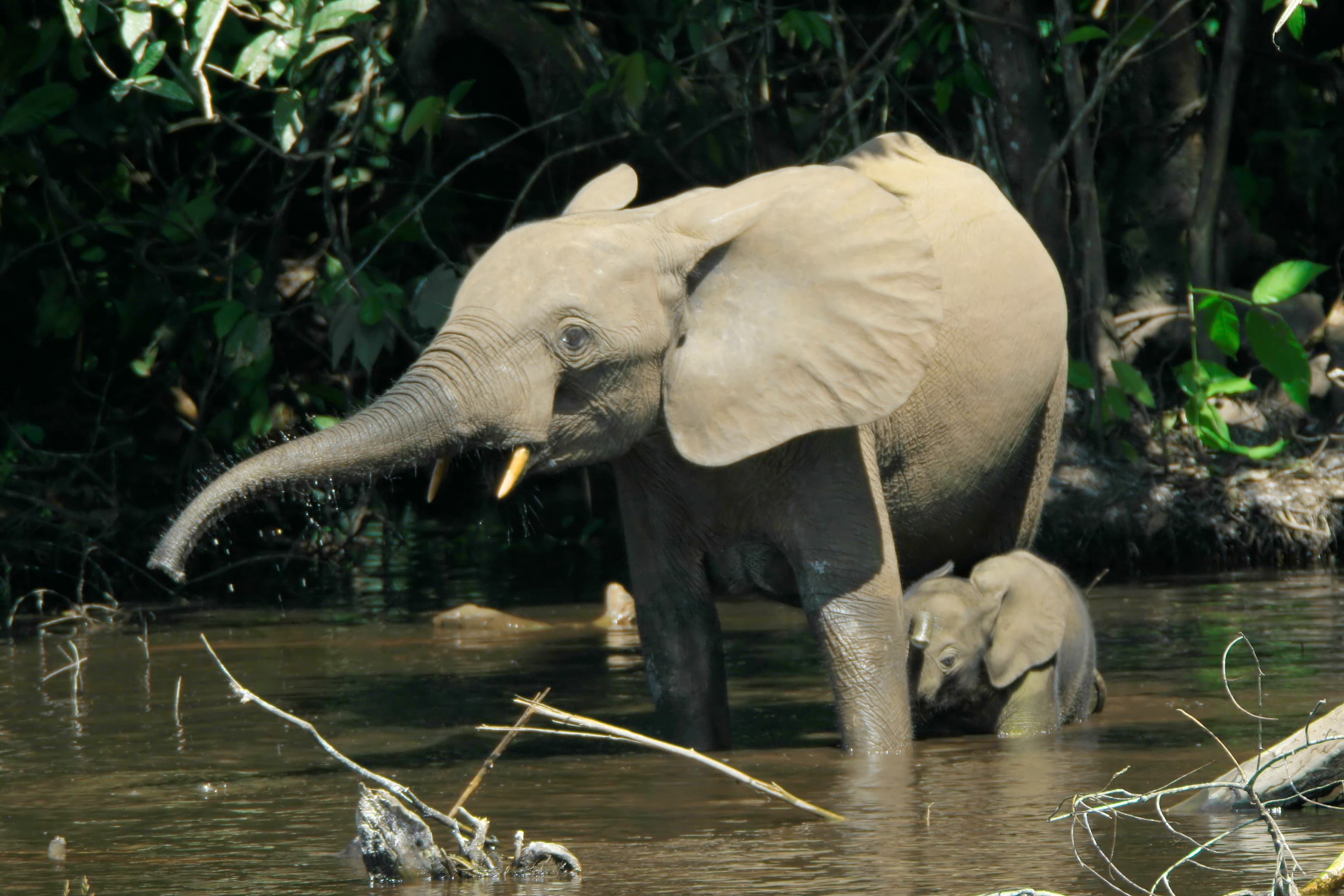
Forest Elephant

The smaller, shyer cousin of the African elephant

Photo ยท Wikimedia Commons

What is it?

The African forest elephant is a separate species from the famous African savanna elephant you might have seen in books. Forest elephants are smaller, with straighter, downward-pointing tusks that help them push through thick forest undergrowth. They live deep in the rainforests of Central Africa, and the Republic of the Congo is one of their most important homes.

Tell me more

Forest elephants are sometimes called the 'gardeners of the forest' because of the amazing job they do for the ecosystem. When they eat fruit, they carry the seeds inside them and spread them across the forest in their dung โ€” sometimes many kilometres from where they ate. Without elephants, many forest trees could not reproduce and spread.

They love visiting the mineral-rich clearings called bais, where they dig at the soil with their tusks to get at the salts and minerals hidden underneath. Sometimes dozens of elephants gather at a bai at the same time, creating a magnificent sight for patient observers.

Forest elephants are very shy and quieter than their savanna cousins. They communicate using low rumbling sounds that are so deep humans can barely hear them โ€” these are called infrasound. Because forests are so dense, this low sound travels well through the trees and can be picked up by other elephants far away.

In the classroom

Walk your class through this in 15 minutes.

Talk together

Discussion prompts

  1. 01Elephants help forests grow by spreading seeds. Can you think of other animals that help plants spread their seeds?
  2. 02Why might low-frequency sounds travel better through a thick forest than high-pitched sounds?
  3. 03Forest elephants are shy and hard to observe. How might scientists study animals they rarely see clearly?
Try this

Classroom activity

Become a 'forest gardener' for a day! On a large piece of paper, draw a patch of forest. Then trace the path of an elephant as it travels 5 km, eating fruit from three different trees and depositing seeds in four different locations. Mark where new trees might grow. Discuss: what would happen to the forest if the elephants disappeared?