
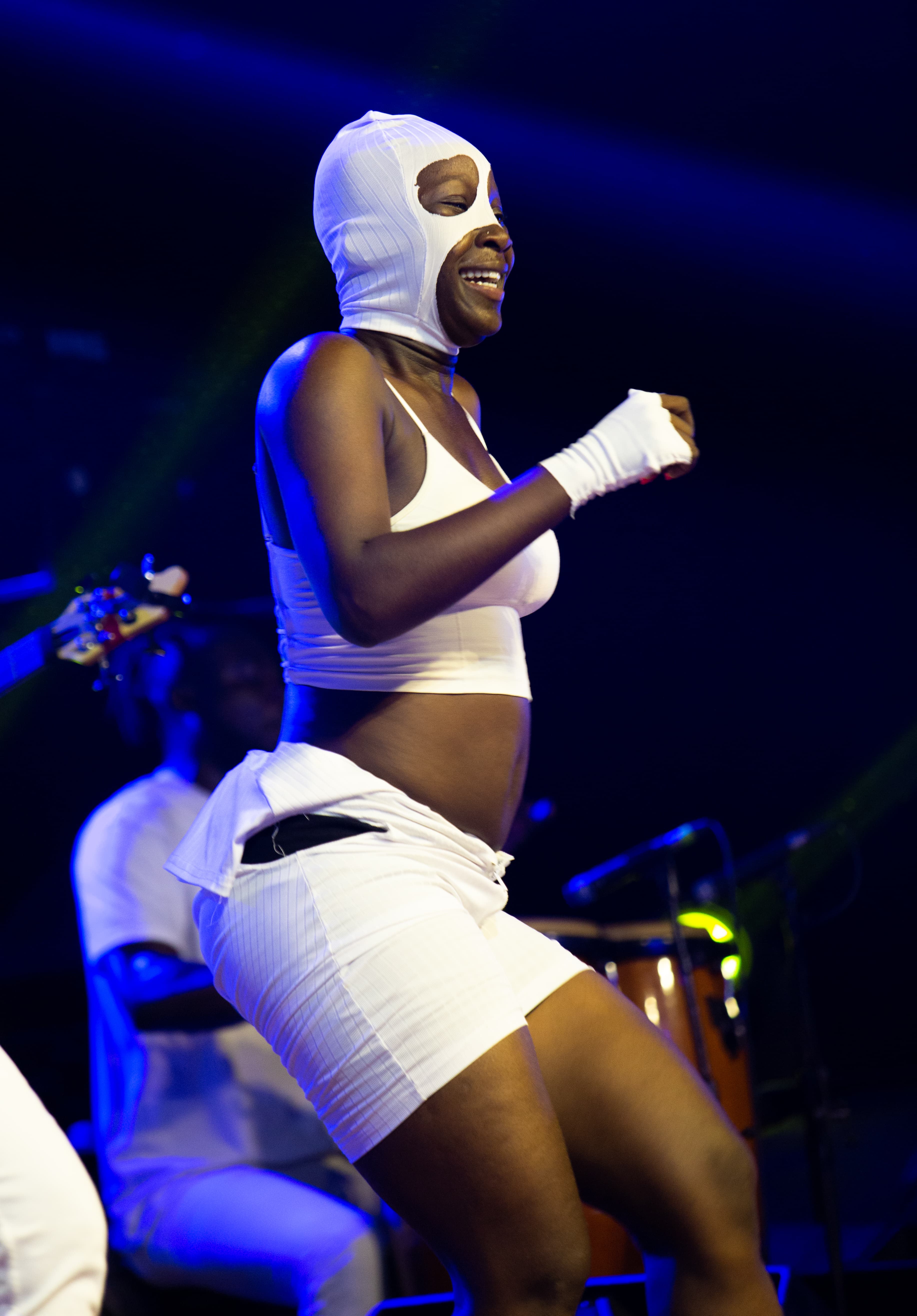
Classroom lesson ยท Festival ยท ๐Ÿ‡จ๐Ÿ‡ฌ Republic of the Congo

Ndombolo Dance

A fast, energetic dance style that swept across Africa

Photo ยท Wikimedia Commons

What is it?

Ndombolo is a fast, energetic dance style that developed in the Republic of the Congo and the DRC in the 1990s as part of the soukous music scene. It features quick footwork, spinning movements and energetic hip and shoulder moves. Ndombolo became enormously popular across Africa โ€” from Nairobi to Lagos to Dakar โ€” and is still danced at celebrations and parties today.

Tell me more

Ndombolo developed as the dance style performed during the 'sebene' section of soukous music โ€” the exciting instrumental part where the guitar playing speeds up. Dancers compete informally to show the most creative and energetic moves, often inventing new steps on the spot. The atmosphere at a live ndombolo performance is electric.

Learning ndombolo requires practice and a strong sense of rhythm. Beginners start with the basic footwork โ€” a quick, shuffling step โ€” before adding the arm movements and spins. Children in the Republic of the Congo often learn the basics from older siblings and cousins at family parties long before they take any formal dance lessons.

When ndombolo swept across Africa in the late 1990s, it carried Congolese culture with it to new audiences. Music videos of ndombolo performances were played on television channels across the continent, making stars of Congolese dancers and showing young people everywhere how joyful and creative Congolese music culture is.

In the classroom

Walk your class through this in 15 minutes.

Talk together

Discussion prompts

  1. 01Ndombolo spread across Africa through television music videos. How might a dance style spread today โ€” through what platforms?
  2. 02Children learn ndombolo from family members rather than in classes. Can you think of things you have learned from family that you did not learn at school?
  3. 03Dancers invent new moves on the spot. What do you think makes dancing creative rather than just copying steps?
Try this

Classroom activity

Create a 'Dance Map of Africa'. On a large outline map of Africa, mark the Republic of the Congo and Kinshasa (DRC) as the origin of ndombolo. Then draw arrows to at least five other African countries where the dance became popular. Label each country and write one sentence about how the dance might have arrived there.