
Classroom lesson ยท Wildlife ยท ๐Ÿ‡จ๐Ÿ‡ฌ Republic of the Congo

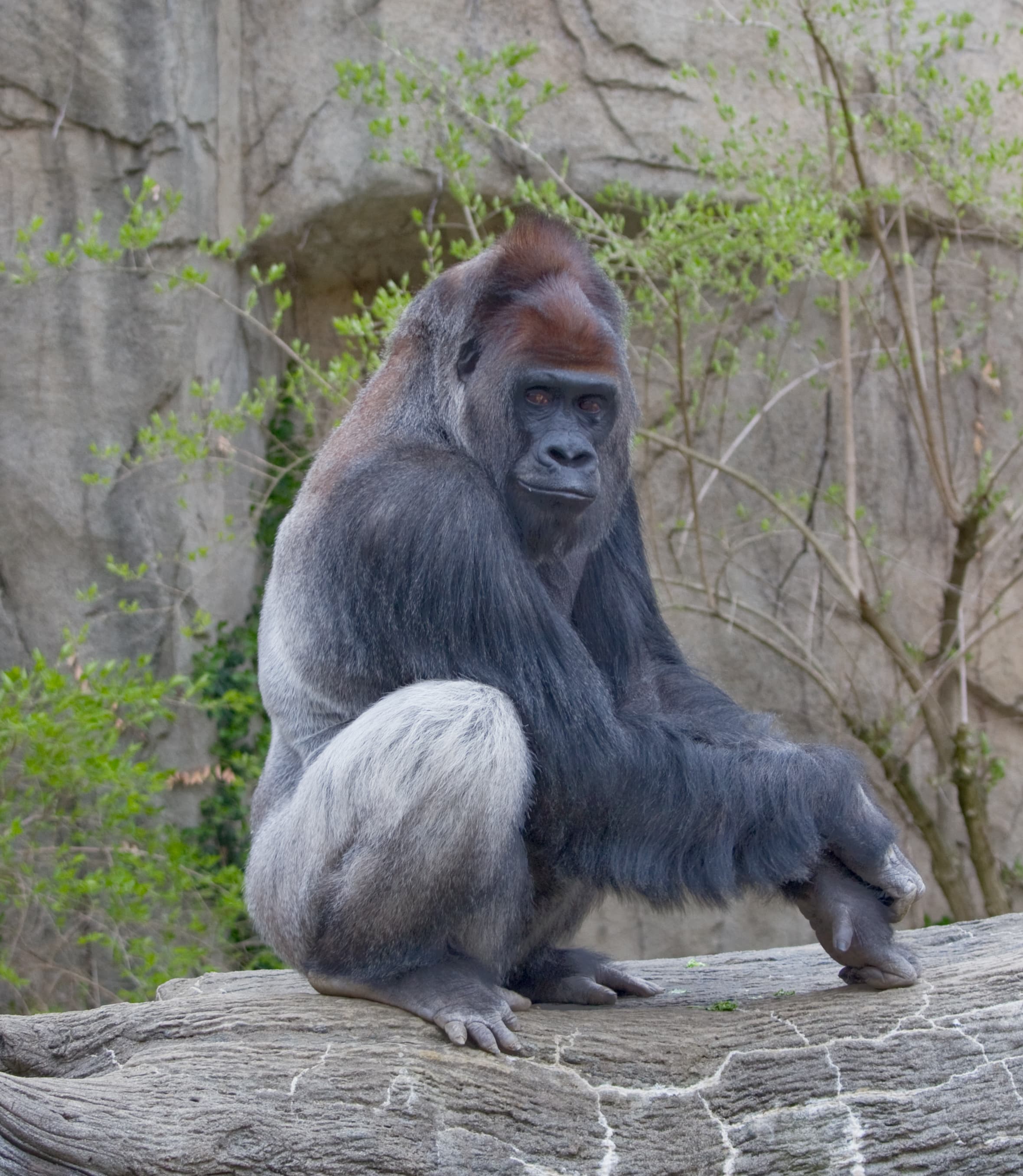
Western Lowland Gorilla

The world's largest primate, living in Congo's rainforest

Photo ยท Wikimedia Commons

What is it?

The western lowland gorilla is the largest primate in the world โ€” bigger than any other monkey or ape. They live in the rainforests of Central and West Africa, and the Republic of the Congo is one of the most important homes they have. Gorillas live in family groups led by a large adult male called a silverback, named for the patch of silver-grey hair on his back.

Tell me more

A full-grown male gorilla can weigh up to 200 kilograms โ€” about the weight of two or three average adult humans. Despite their impressive size, gorillas are gentle plant-eaters. They spend most of the day searching for fruits, leaves, stems and bark to munch. They love ripe figs and will travel long distances to find them.

Gorilla families are warm and social. Young gorillas play, wrestle and climb just like children โ€” sometimes even draping themselves over the silverback as he rests. Mothers carry their babies everywhere for the first few months, and babies continue to sleep next to their mothers for several years.

Every night, gorillas build a fresh nest by bending leafy branches together, either on the ground or in low trees. They sleep in a different spot each night. Scientists study these nests to count how many gorillas live in an area without disturbing them. The Republic of the Congo's protected forests are essential to keeping this magnificent animal safe.

In the classroom

Walk your class through this in 15 minutes.

Talk together

Discussion prompts

  1. 01Gorillas are our closest animal relatives after chimpanzees. What similarities can you spot between gorilla behaviour and human behaviour?
  2. 02Young gorillas play and wrestle just like children. Why might play be important for young animals (and young humans)?
  3. 03Scientists count gorillas by finding their nests rather than the gorillas themselves. Why is a non-disturbing method of counting so important?
Try this

Classroom activity

In pairs, build a 'gorilla profile' card. On the front, draw a gorilla family showing a silverback, a mother and a young gorilla. On the back, list five facts: size, diet, habitat, family structure and one reason they are special. Share your card with another pair.