
Classroom lesson · Wildlife · 🇰🇳 Saint Kitts and Nevis

Caribbean Spiny Lobster

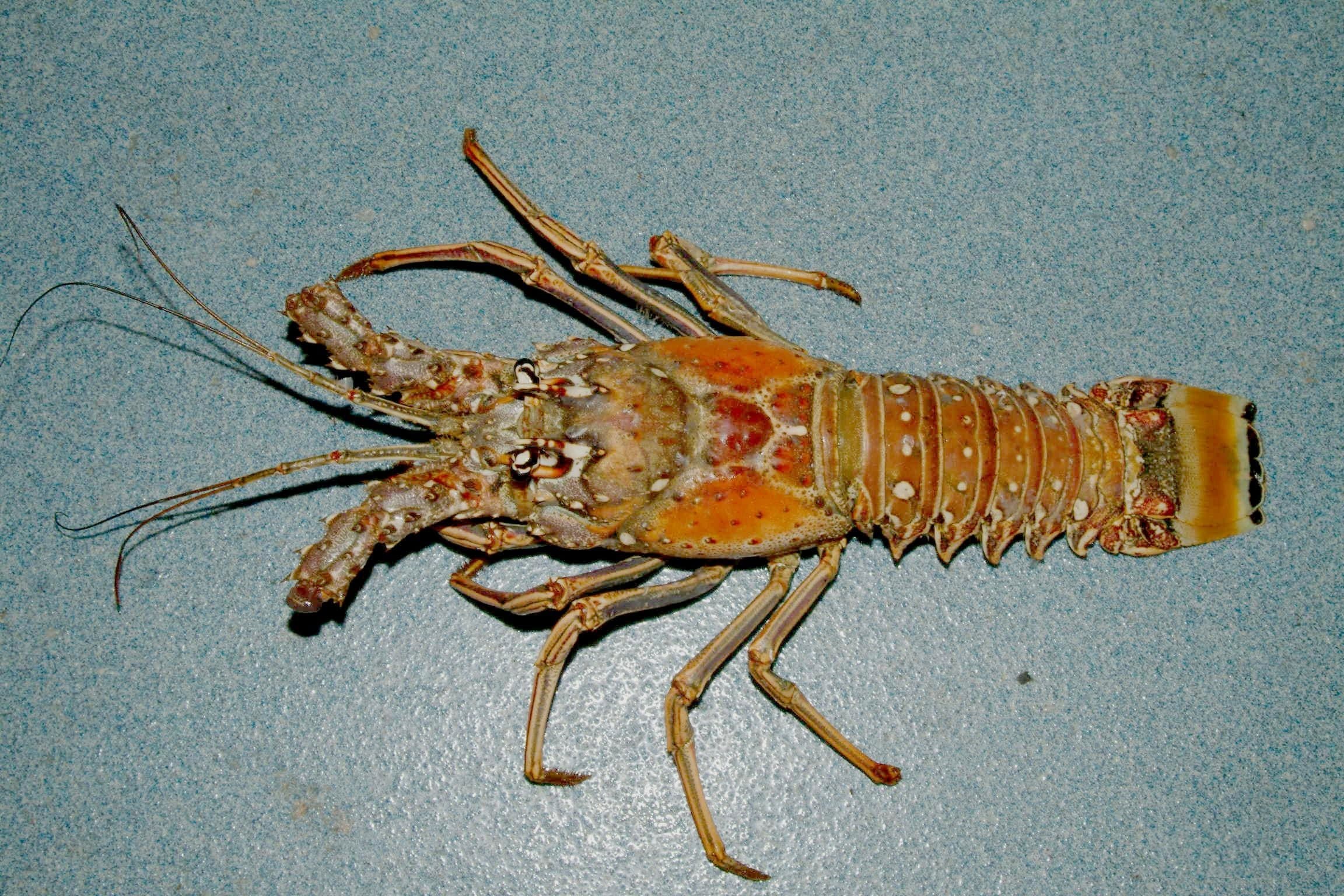
A spiky, colourful lobster that hides in coral reefs across the Caribbean

Photo · Wikimedia Commons

What is it?

The Caribbean spiny lobster is one of the most interesting creatures living in the coral reefs around Saint Kitts and Nevis. Unlike the lobsters many people picture, it has no big front claws — instead it has very long, spiky antennae and a colourful shell covered in bumps and spines. It is also one of the tastiest seafood delicacies in the whole Caribbean.

Tell me more

Spiny lobsters are nocturnal, which means they come out mainly at night. During the day they hide under coral ledges and inside rocky crevices, just their long antennae sticking out to sense what is happening outside. Those antennae can be twice as long as the lobster's body and are covered in tiny sensors that detect vibrations and chemicals in the water.

One of the most spectacular things spiny lobsters do is migrate. Each autumn, when the sea conditions change, hundreds of spiny lobsters line up in long single-file queues along the sea floor and march together across the sand for many kilometres. Each lobster rests its front legs on the back of the one ahead, forming a living chain. Scientists are still figuring out exactly how they know when to go and which direction to march.

Spiny lobsters are important to the ecosystem of the reef. They are scavengers, eating dead plants and animals on the sea floor, which helps keep the reef clean and healthy. They also provide food for larger reef predators — nurse sharks, large moray eels, and octopuses all hunt them.

Fishing for spiny lobster is an important part of life on Saint Kitts and Nevis. Local fishermen catch them sustainably, and grilled or stewed lobster appears on menus all over both islands. The fishing season is carefully managed so there are always enough lobsters to keep the population healthy on the reefs.

In the classroom

Walk your class through this in 15 minutes.

Talk together

Discussion prompts

  1. 01Spiny lobsters march in queues during migration. What other animals migrate in groups, and why might moving together be safer than moving alone?
  2. 02They use their long antennae to sense vibrations. What other ways do animals 'see' the world without using eyes?
  3. 03Why do fishermen need to manage how many lobsters they catch each season?
  4. 04The lobster hides during the day and comes out at night. What advantages might being nocturnal give an animal on a coral reef?
Try this

Classroom activity

Draw a cross-section of a coral reef showing three zones: open water above, the reef surface, and the caves and crevices inside. Place a spiny lobster hiding in a crevice during the day. Add three other animals and label where each one lives and what it eats.