
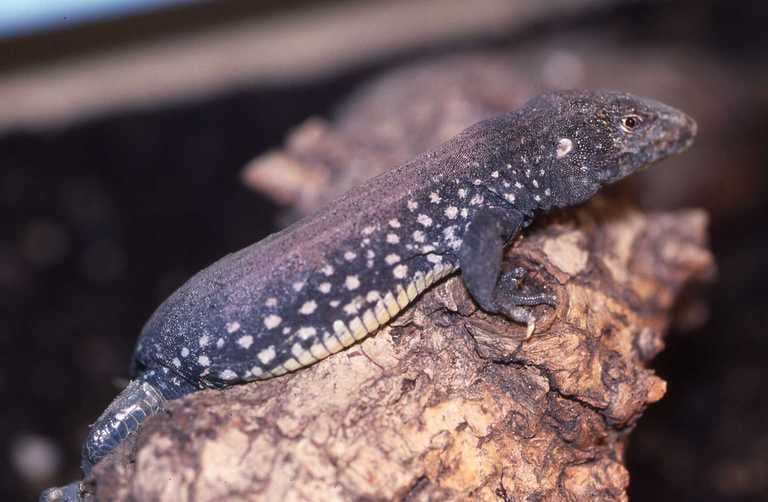
Whiptail lizards are built for speed. Their long legs, streamlined body and whipping tail help them sprint across the ground and change direction quickly when they need to escape from a predator. If a predator grabs the tail, the lizard can detach it and grow a new one - the new tail is often a slightly different colour and texture, but it does the job.
These lizards are mainly insect-eaters. They spend a lot of their day hunting ants, beetles, caterpillars and other small invertebrates among leaf litter and rocks. Their tongue flicks out rapidly to taste the air, helping them find food and detect smells from potential predators nearby.
The Saint Lucia whiptail is an important part of the island's food web. It eats insects that might otherwise multiply too fast, and it is itself food for snakes, hawks and other animals. Like many island animals, it has evolved in isolation from its closest relatives and has its own unique characteristics that make it slightly different from whiptails found elsewhere in the Caribbean.