
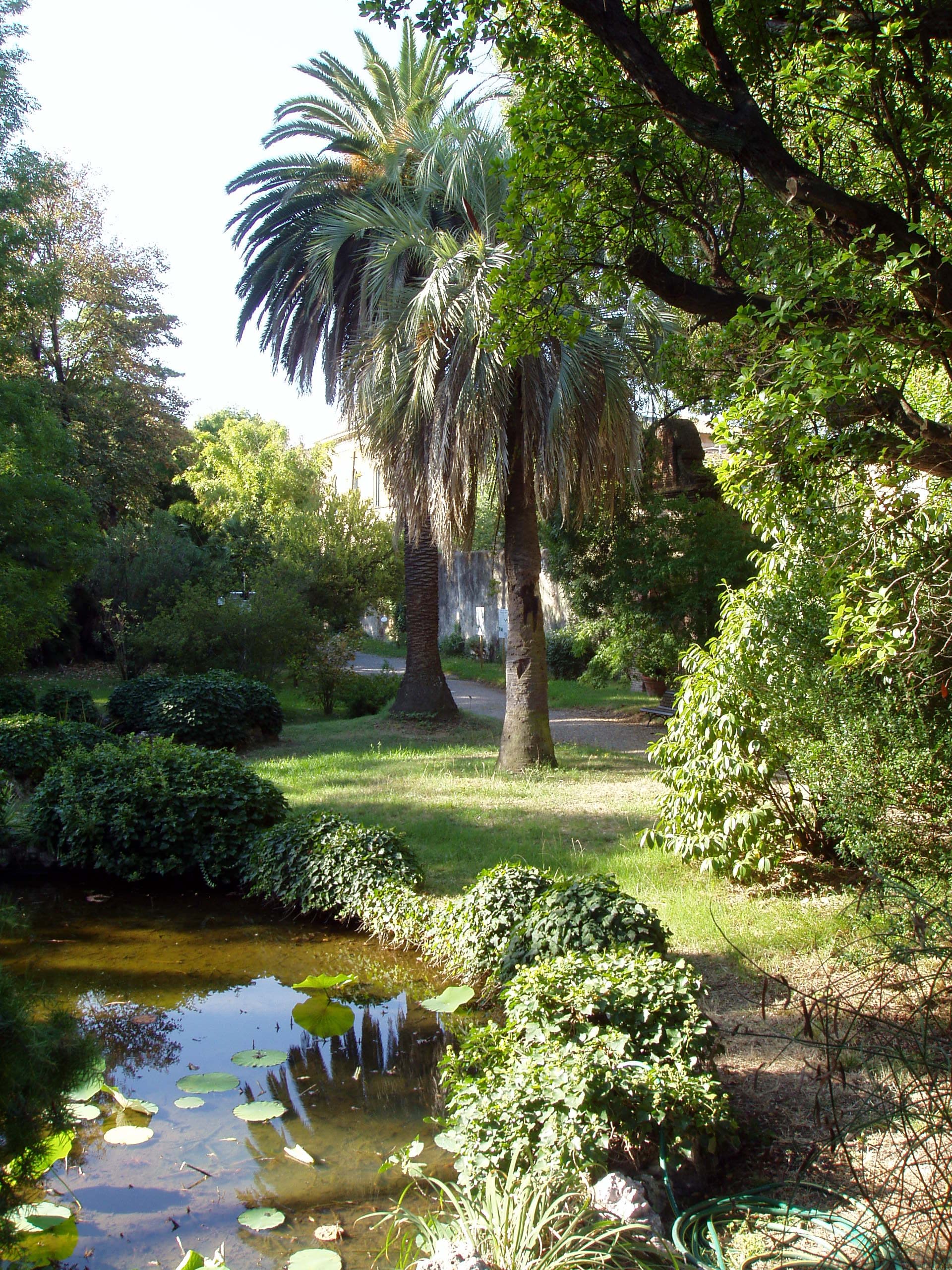
The gardens were started by the British when they controlled the island, and one of their original goals was to grow useful plants that could feed and supply Caribbean communities. A famous moment in history happened here in 1793 when a breadfruit tree - grown from a plant brought all the way from Tahiti by the explorer Captain William Bligh - was planted in the gardens. Descendants of that very tree still grow there today.
Walking through the gardens today feels like exploring a living museum. There are enormous mahogany trees with massive spreading roots, palms from across the tropics, colourful heliconias, rare orchids and medicinal plants that local people have used as natural medicines for centuries. The air smells of earth, flowers and tropical rain.
The gardens are also home to a small aviary where you can see the Saint Vincent parrot - the national bird - up close. These parrots are endangered in the wild, and the gardens help with conservation efforts by keeping and studying them. Bright butterflies also flutter through the flower beds, and hummingbirds hover at the red flowers like tiny helicopters.
School groups from all over Saint Vincent visit the gardens to learn about plants, ecosystems and how humans and nature are connected. The gardens also hold seeds and cuttings of rare plant species, acting like a living library that scientists from around the world can visit and study.