
Classroom lesson Β· Wildlife Β· πŸ‡ΈπŸ‡± Sierra Leone

Diana Monkey

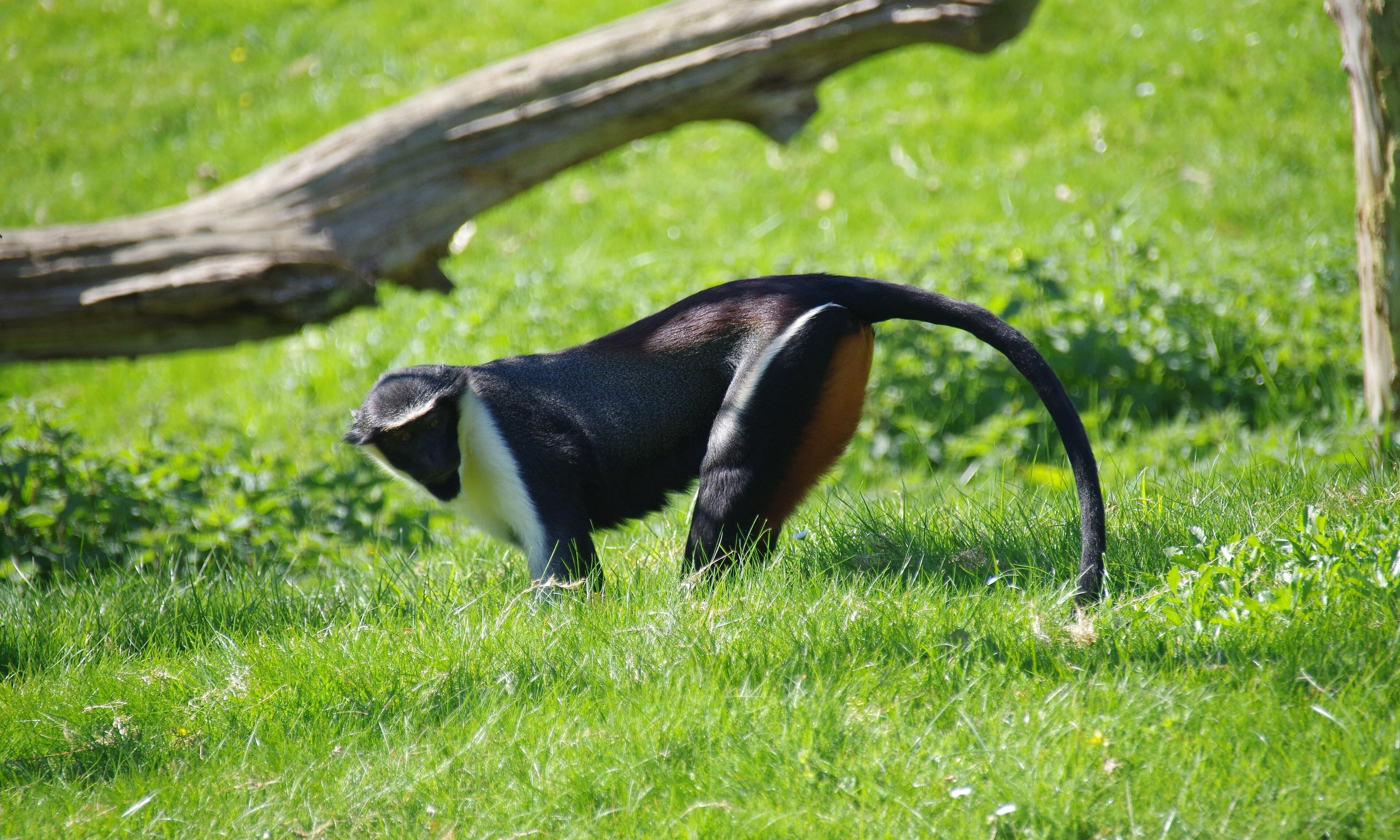
A beautifully marked West African forest monkey

Photo Β· Wikimedia Commons

What is it?

The Diana monkey is one of West Africa's most striking primates, instantly recognisable by its sharp black-and-white face, bright rufous (reddish-orange) back, and the distinctive white crescent shape on its forehead β€” which is said to resemble the bow of the goddess Diana, giving the monkey its name.

Tell me more

Diana monkeys live in the upper canopy of tropical rainforests, leaping between branches high above the forest floor. They live in groups of around 20–30 individuals, usually led by a single adult male who keeps watch for danger. When a predator appears, he gives a specific alarm call that other animals in the forest β€” including other species of monkey β€” understand and react to.

This cross-species communication is one of the most fascinating things about Diana monkeys. They have been studied sharing alarm information with other monkey species, almost as if they are speaking a language that forest animals have learnt to understand. Different calls mean different things: 'eagle overhead' sounds different from 'leopard on the ground'.

The Diana monkey feeds mainly on fruit, leaves and insects. Their brightly coloured markings help group members spot each other easily through the leafy canopy. Sierra Leone's forests are among the few remaining places where Diana monkeys are still found in healthy numbers, which is why protecting those forests matters so much.

In the classroom

Walk your class through this in 15 minutes.

Talk together

Discussion prompts

  1. 01Diana monkeys give different alarm calls for different threats. How is that similar to β€” and different from β€” the way humans communicate danger?
  2. 02Other animals respond to Diana monkey alarm calls. What does that tell us about how species can cooperate in a forest?
  3. 03Why might living high in the canopy be a good survival strategy for a monkey?
Try this

Classroom activity

Invent your own animal alarm call system. Decide on three different threats (e.g. cat, bird of prey, human). Create a symbol or sound code for each one. Share your system with the class β€” can others decode your signals?