
Classroom lesson Β· Wildlife Β· πŸ‡ΈπŸ‡§ Solomon Islands

Monkey-Faced Bat

The Solomon Islands' giant fruit bat with an astonishing face

Photo Β· Wikimedia Commons

What is it?

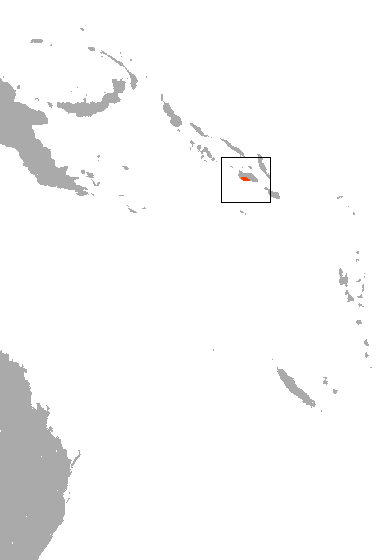
The Solomon Islands monkey-faced bat is a large fruit bat found only in the rainforests of the Solomons β€” nowhere else in the world. It has a big, round face with wide eyes that really does look a little bit like a small monkey's face. It is one of the largest bats in the Pacific and an important seed-spreader for the forest.

Tell me more

Despite its impressive size β€” its wingspan can reach nearly a metre β€” the monkey-faced bat is a gentle vegetarian. It flies through the forest canopy at night, sniffing out ripe fruit, flowers, and nectar. Its excellent eyesight and sense of smell guide it in the dark, rather than the echolocation that insect-eating bats rely on.

When the bat eats fruit, it swallows the seeds. As it flies from tree to tree across the forest, it drops seeds in its droppings, planting new trees all across the island. Without fruit bats, the rainforest would struggle to regrow after a storm or landslide. Scientists call animals like this 'keystone species' β€” without them, the whole ecosystem changes.

The monkey-faced bat is found on only a handful of Solomon Islands, and protecting its forest home is vital. Local communities on islands like Choiseul and Isabel are working with conservation groups to set aside protected areas where the bats can roost and feed safely. Spotting one at dusk as it glides out of the canopy is one of the most exciting wildlife moments in the Solomons.

In the classroom

Walk your class through this in 15 minutes.

Talk together

Discussion prompts

  1. 01Bats often have a scary reputation β€” but this bat is a gentle fruit-eater that helps grow forests. How does learning more about an animal change the way you feel about it?
  2. 02What is a 'keystone species'? Can you think of other animals that play a big role in keeping an ecosystem healthy?
  3. 03The monkey-faced bat lives only in the Solomon Islands. Why does it matter if an animal that only exists in one small place disappears?
Try this

Classroom activity

Create an 'Amazing Bat Facts' poster. Include: a labelled drawing of the monkey-faced bat (wingspan scale bar, big eyes, round face), the food it eats, how it helps the forest, and where in the world it lives. Use bold colours β€” make it look like a museum display.