
Classroom lesson · Brownsberg Nature Park · 🇸🇷 Suriname

Brownsberg Nature Park

A forested plateau where you can look out over the whole jungle

Photo · Wikimedia Commons

What is it?

Brownsberg Nature Park is a protected area of rainforest sitting on top of a flat-topped mountain called a plateau, about 450 metres above the land below. On a clear day you can see all the way to the great Brokopondo reservoir, which is one of the largest man-made lakes in the world. The park is only a few hours from Paramaribo, making it a favourite place for Surinamese families to spend a weekend in the jungle.

Tell me more

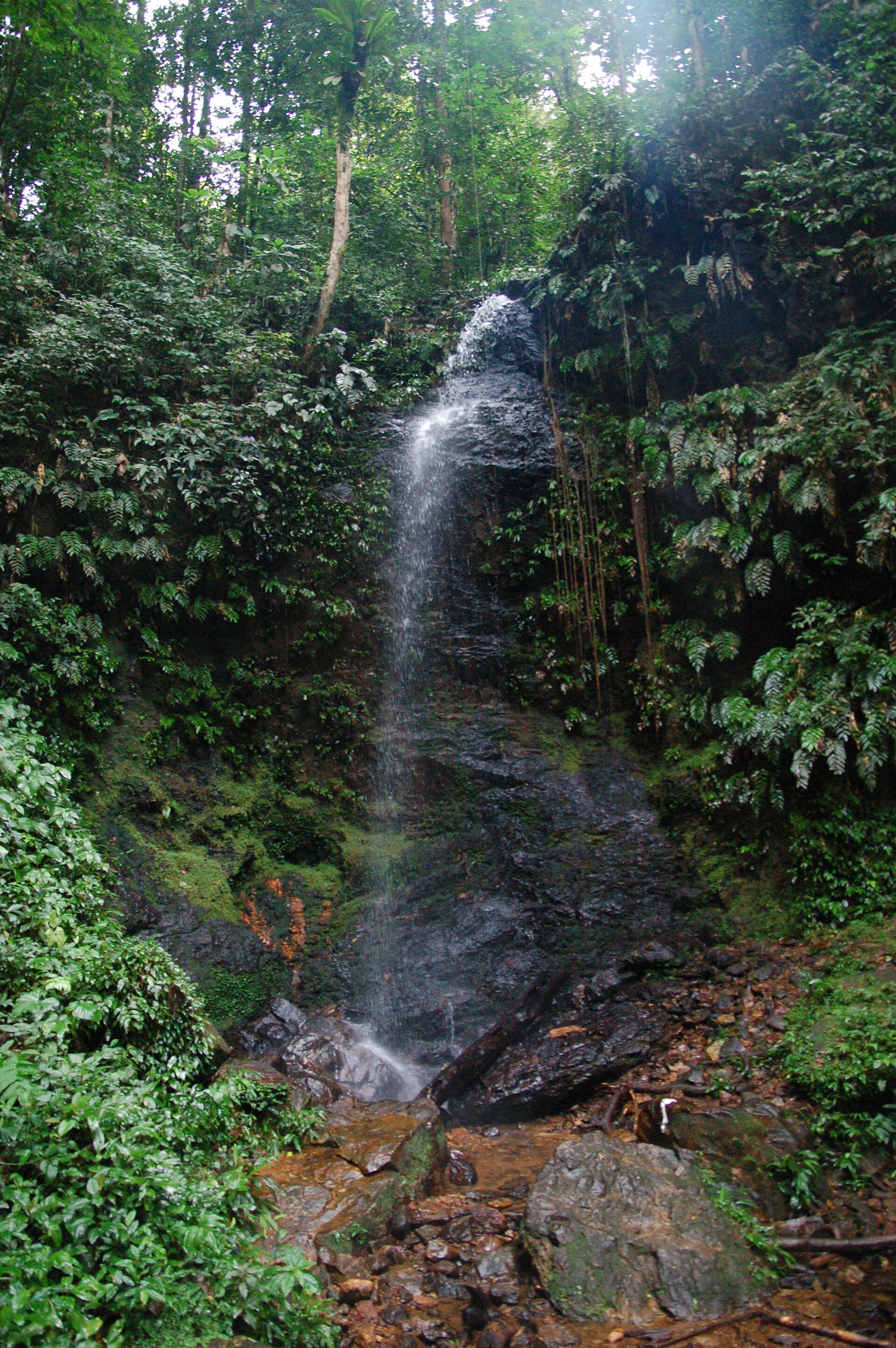
The plateau gets its name from a mountain called Brownsberg. Trails wind through the forest and lead to beautiful waterfalls, including the Irene and Kolfalls that pour down the cliffs on the edge of the plateau. After a walk, the cold waterfall spray feels fantastic on a hot tropical day.

Inside the park you might spot howler monkeys swinging through the canopy — they make a loud, booming call that can be heard nearly 5 kilometres away! Spider monkeys and capuchin monkeys also live here, and if you are very quiet in the early morning you might see one of Suriname's many types of toucan perching on a branch.

The forest floor is full of surprises too: leafcutter ants carry tiny pieces of leaf above their heads like little umbrellas, marching in long lines back to their underground nests. Suriname's forests are home to thousands of insect species, many of which scientists are still discovering and naming.

In the classroom

Walk your class through this in 15 minutes.

Talk together

Discussion prompts

  1. 01Howler monkeys make very loud calls. Why might loud calls be useful in a thick jungle where animals can't always see each other?
  2. 02Brownsberg is popular with Surinamese families. What makes a forest park a good place to visit with your family?
  3. 03Leafcutter ants work together to carry food. Can you think of something you have done that worked better with teamwork than alone?
Try this

Classroom activity

Make an 'animal sound map'. Draw a jungle scene and add five animals. Next to each one, describe in words what noise it makes (even if you have to imagine it!). Think about why each animal might need that particular sound — is it to scare others away, find a friend, or warn its family?