
In 2016, a team of scientists counted the fish species living on Atauro's reefs and discovered something astonishing - 642 different species in a single survey. That number was higher than any reef survey ever done before. The ocean around the island is home to humphead parrotfish, tiny neon gobies, giant Napoleon wrasse, and dozens of kinds of butterflyfish, all sharing the same coral garden.
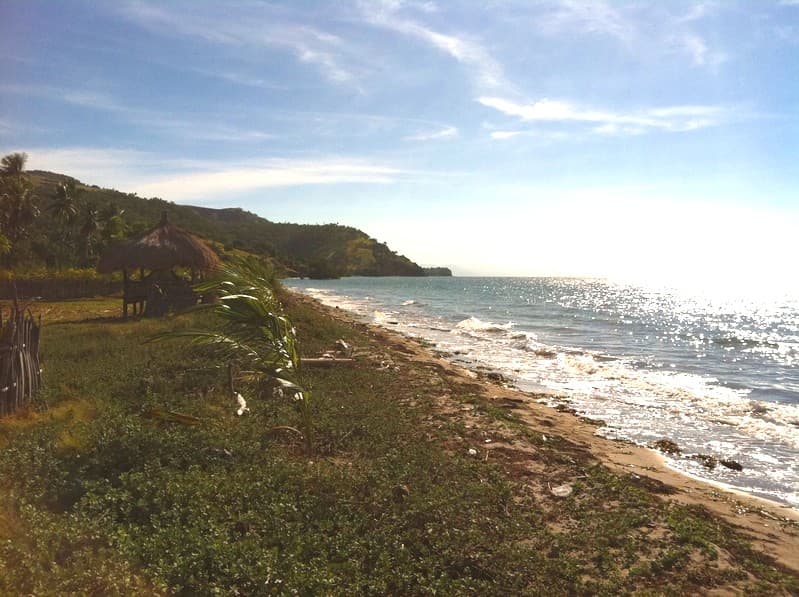
The reefs are so healthy partly because the deep water surrounding Atauro brings cold, nutrient-rich currents up from below. These nutrients feed tiny creatures called plankton, which in turn feed small fish, which feed bigger fish - a long food chain that starts in the deep and ends in a dazzling reef. The island itself is hilly and green, with traditional fishing villages dotted along the shore.
Families in Atauro's villages have fished these waters for generations. Today many also work as snorkel guides, diving alongside visitors to point out an octopus hiding in a crack or a tiny seahorse clinging to a piece of coral. Their knowledge of where each creature lives has taken lifetimes to build up.
Because the reef is so special, local communities and conservation groups work together to look after it. Some areas are 'no-take' zones where fishing is not allowed, giving the fish a safe place to grow and breed so the reef stays healthy for everyone.