
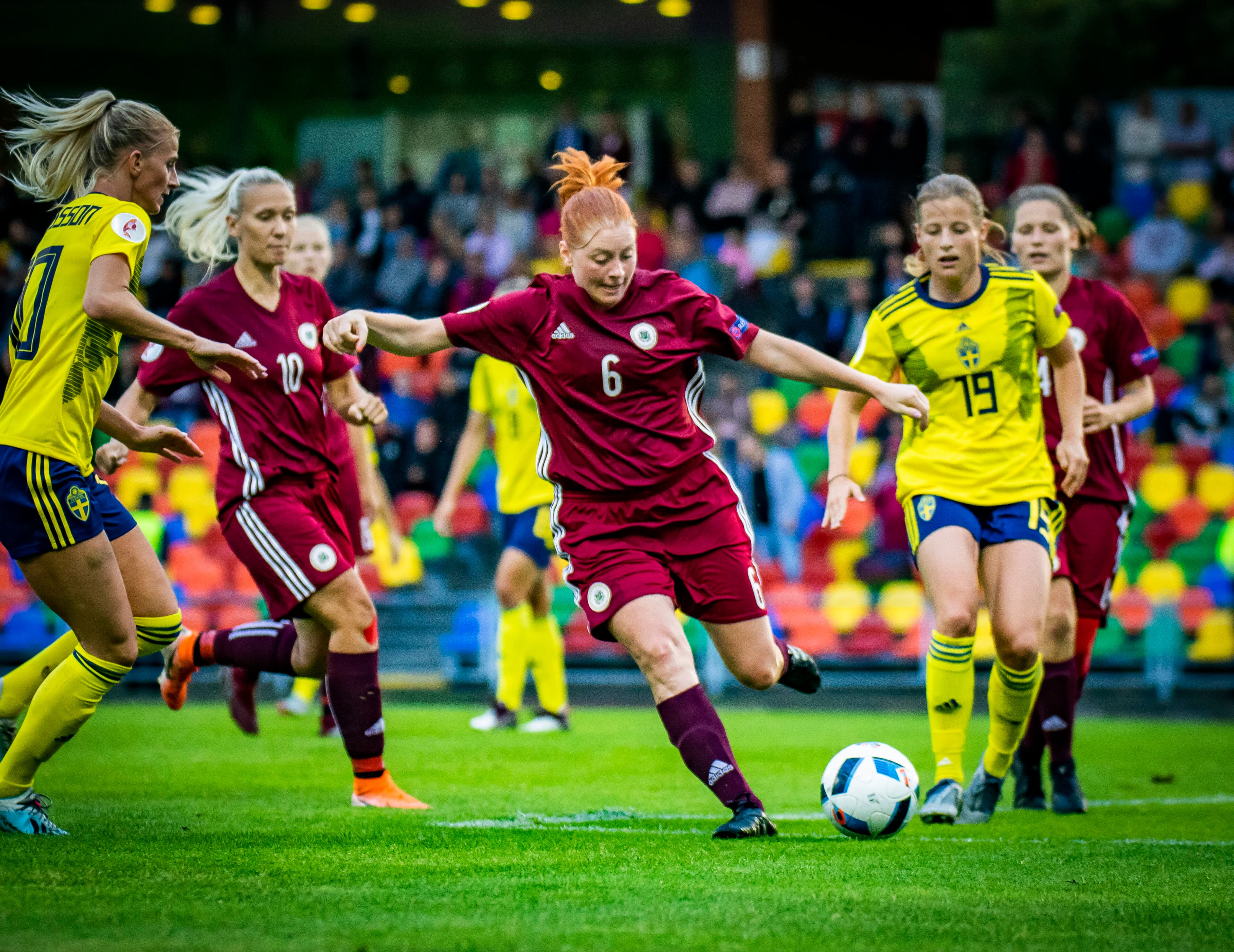
Street football is where most young Timorese players develop their skills. With few formal pitches outside the cities, children adapt to whatever surface they have - playing barefoot on concrete, using folded T-shirts as goal posts, and using the walls of buildings as part of the game. This flexible, inventive style of play builds extraordinary close-ball skills.
Football brings different communities together in Timor-Leste in a particularly powerful way. A match between two village teams can draw the whole community out to watch and cheer, with families cooking food to sell along the sidelines and children running alongside the pitch. The social occasion around the game matters as much as the game itself.
At school level, football is a central part of physical education, and many schools have inter-school competitions that run through the year. For younger children, five-a-side or mini-football on a smaller pitch is most common - the reduced size means everyone gets more touches of the ball and more chances to develop their technique.
Timor-Leste's national team has been building experience in international competition since the country became an independent nation. Following the national team is a source of great pride, and when the Lorosae play, it is not unusual for people to gather around shared screens in villages, all watching together and celebrating every good moment.