
Classroom lesson ยท Wildlife ยท ๐Ÿ‡น๐Ÿ‡ฑ Timor-Leste

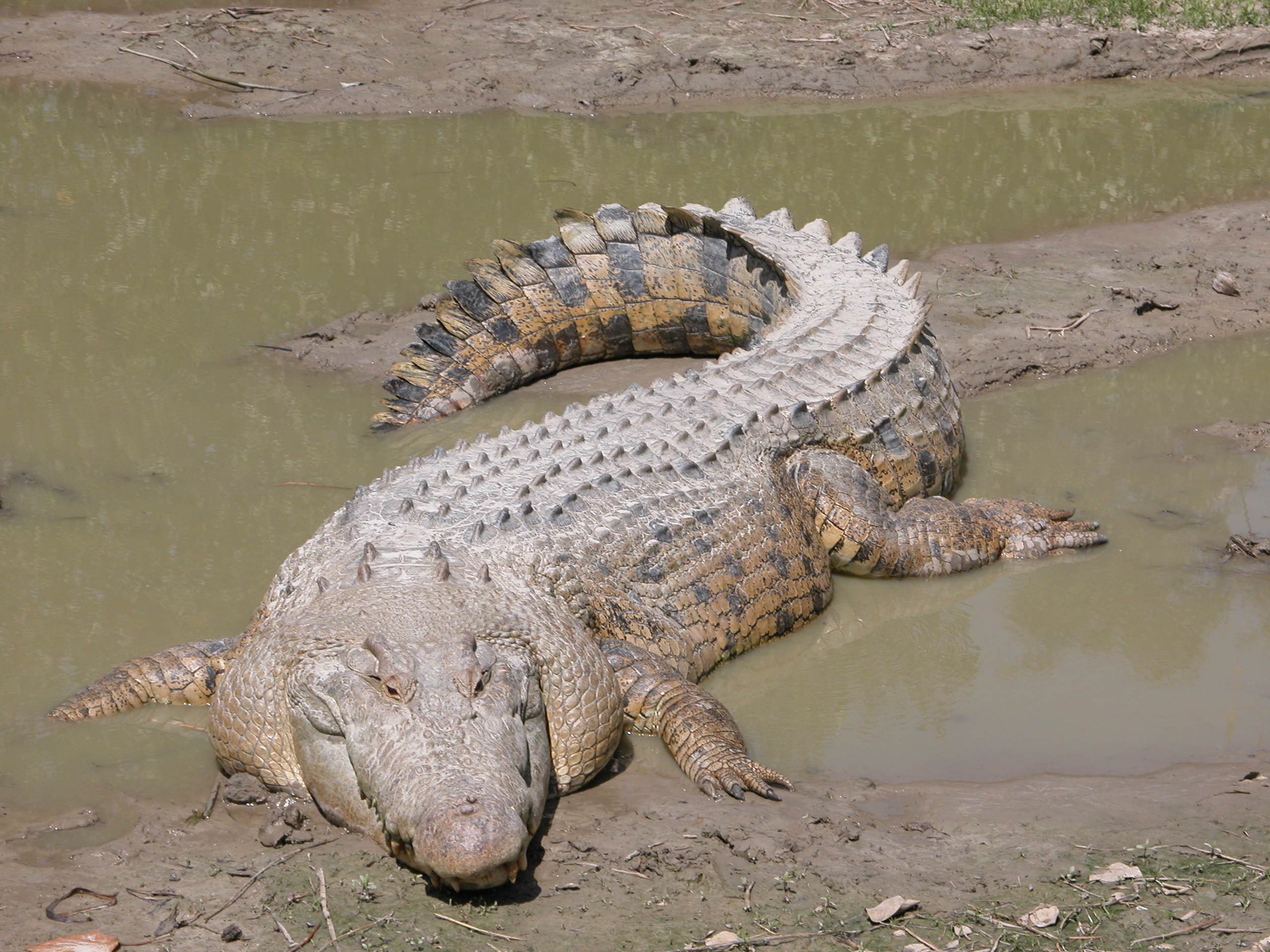
Saltwater Crocodile

The largest living reptile, respected across Timor-Leste

Photo ยท Wikimedia Commons

What is it?

The saltwater crocodile is the biggest reptile alive on Earth today, and it has lived on and around the island of Timor for thousands of years. In Timorese tradition the crocodile is treated with enormous respect โ€” many Timorese people consider it a spiritual ancestor, calling it 'grandfather crocodile'. This deep respect means people are very careful never to disturb them.

Tell me more

Saltwater crocodiles can grow up to 6 or 7 metres long โ€” longer than a large car โ€” and can weigh as much as a small car too. They are incredibly powerful swimmers and can be found in rivers, mangrove swamps, coastal areas and even far out at sea. Their skin is patterned with bumpy scales that act like armour.

In Timorese legend, the island of Timor itself was formed from the body of a giant crocodile. The story goes that a young boy helped a tired crocodile reach the sea, and in gratitude the crocodile grew bigger and bigger until it became the island, carrying the boy and his descendants on its back forever. This legend is one reason why Timorese people feel such a strong bond with crocodiles.

Because of this cultural respect, Timorese communities traditionally keep a safe distance from places where crocodiles live. Elders teach children from a young age where crocodiles might be found and how to behave around rivers and coastlines. This traditional knowledge is a form of wildlife safety that has kept people and animals living alongside each other for generations.

Saltwater crocodiles are important for the health of rivers and coasts โ€” as top predators they help keep fish populations balanced. Scientists work with local communities to track where crocodiles live so that both people and crocodiles can stay safe.

In the classroom

Walk your class through this in 15 minutes.

Talk together

Discussion prompts

  1. 01Why might a legend connecting people to an animal make them treat that animal with more respect?
  2. 02How is traditional knowledge about where dangerous animals live similar to modern safety signs?
  3. 03Crocodiles are top predators. What might happen to a river ecosystem if the top predator disappeared?
  4. 04Can you think of an animal in your country that people treat with special respect or that appears in stories?
Try this

Classroom activity

Draw a 'Grandfather Crocodile' storyboard showing the Timorese legend: a boy helps a tired crocodile reach the sea, and the grateful crocodile grows into the island of Timor. Use at least four panels and add speech bubbles to show what the boy and crocodile might say to each other.