
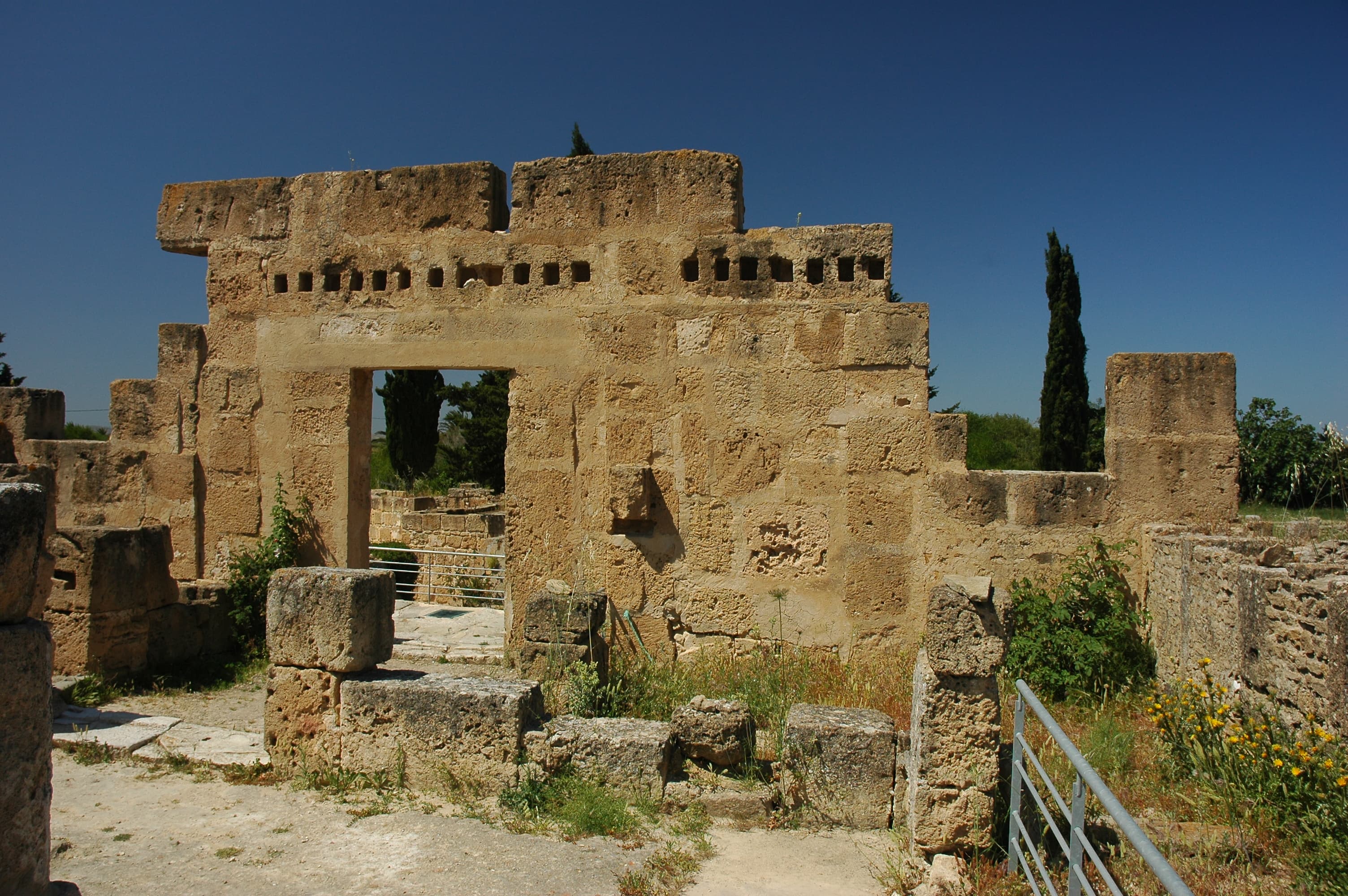
Long ago, Carthage was a buzzing city full of merchants, sailors, and craftspeople. Ships loaded with goods like purple cloth, glass, and jewellery sailed from its harbours to countries all around the Mediterranean Sea. The city had two great circular harbours - one for cargo ships and one for the navy - and archaeologists can still see the outlines of them in the ground today.
The most spectacular things left to see are the Antonine Baths, which were once the largest public baths in the whole Roman world. Imagine a building the size of several football pitches filled with warm and cold pools, steam rooms, and beautiful mosaics on every wall. Citizens went there not just to get clean but to chat, play games, and relax.
Archaeologists have been digging at Carthage for hundreds of years and keep finding new treasures. They have uncovered beautiful mosaics, statues, coins, jewellery, and the remains of houses where families lived. Many of these objects are now in the Bardo National Museum in Tunis, where visitors can see them up close.