
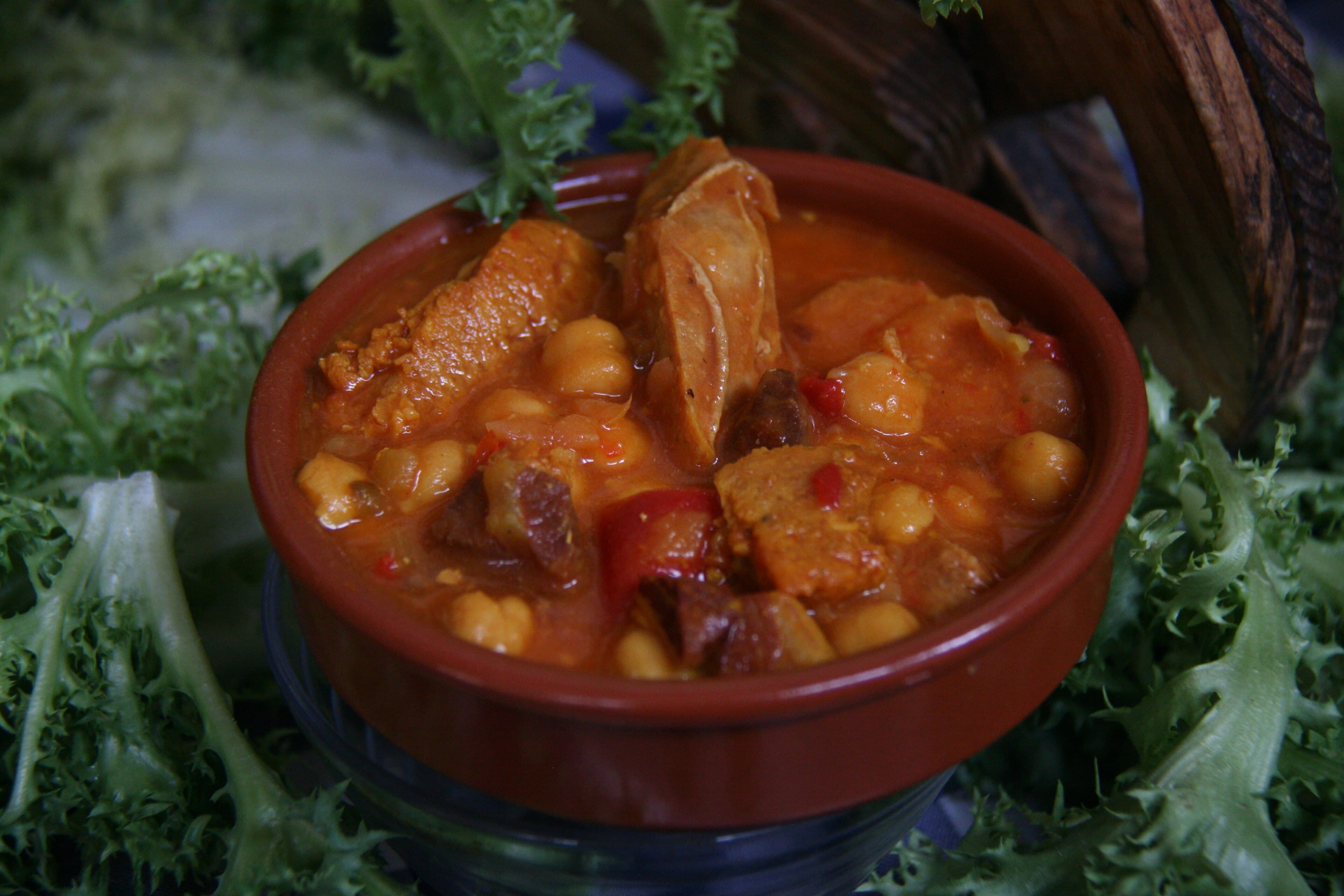
The stew is usually made in two stages. First the broth is prepared by simmering meat and vegetables together for a long time - sometimes several hours. This creates a rich, flavourful liquid. Then pasta (often large shell shapes or thick noodles called galets) is added and cooked in the broth. Finally, the meat is served separately on a second plate, making the meal into two courses from one pot.
Escudella has been eaten in this part of the world since at least the Middle Ages. Before supermarkets and refrigerators, mountain families kept chickens, pigs and root vegetables through winter, and a big pot of stew was an efficient way to use every part of the animal and every leftover vegetable at the same time. Nothing was wasted - even the broth from the bones went into the pot.
Today escudella is still considered Andorra's most traditional dish and is especially popular at family gatherings in autumn and winter. In Catalan food culture, sharing a big pot of escudella is a sign of warmth and welcome. Making it from scratch is seen as a skill worth learning, and many Andorran grandparents take pride in having their own version of the recipe, each with a slightly different mix of spices and vegetables.