
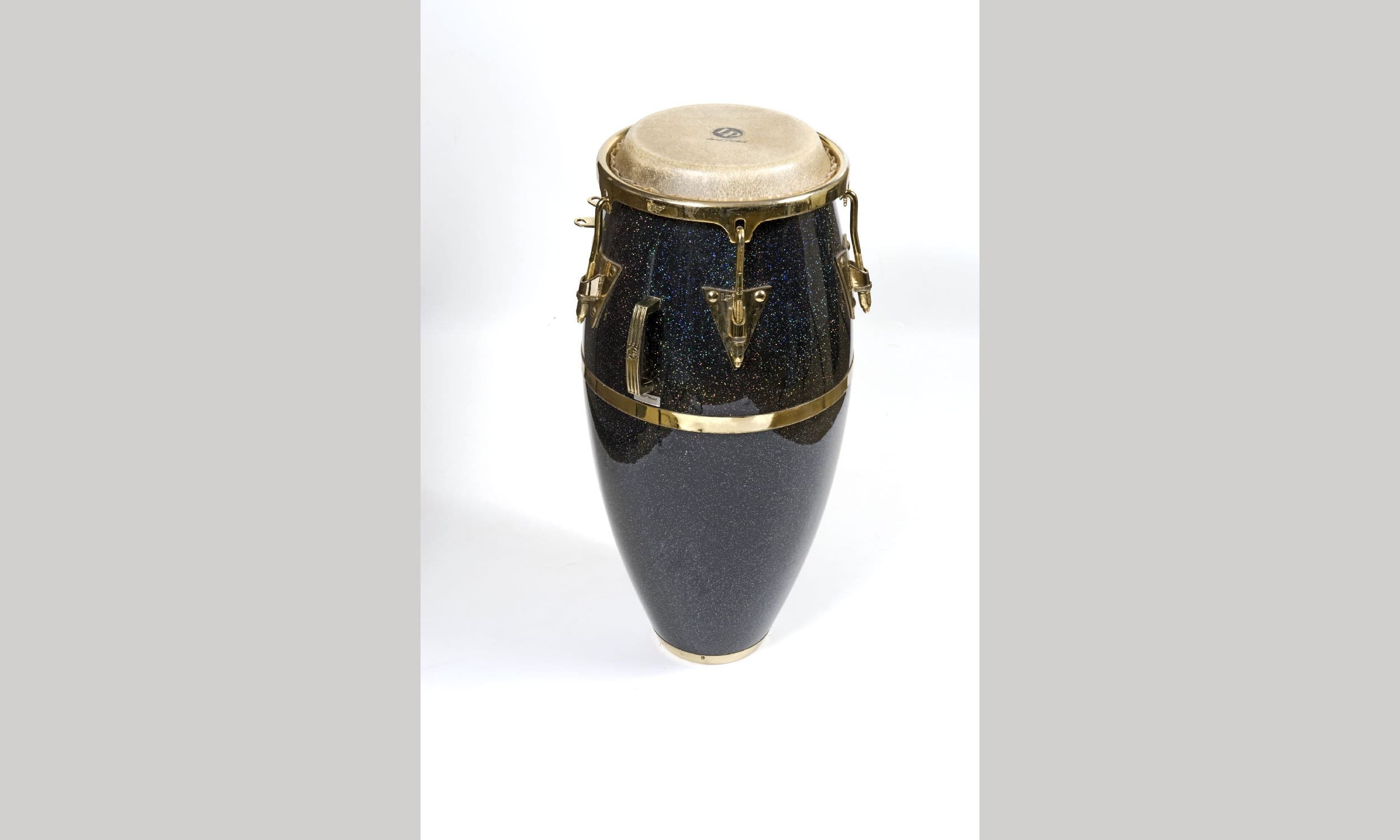
Conga drums come in three sizes: the quinto (smallest and highest-pitched), the conga or segundo (medium), and the tumba or tumba grande (largest and lowest-pitched). A skilled drummer plays all three, moving between them fluidly and creating layers of rhythm that interlock with each other. Each drum can also produce different sounds depending on how and where the drummer strikes the skin.
The technique for playing congas is quite sophisticated. Drummers use their open palms, fingertips and the heel of the hand to make different sounds - a sharp slap, a deep open tone, or a muffled bass thud. Learning conga technique takes years of practice, but even beginners can feel the joy of laying down a basic rhythm and feeling it pulse through their hands.
The sound of conga drums in a full Cuban band is instantly recognisable. They provide the rhythmic foundation that drives dancers forward and holds the music together. In the Carnaval parade in Santiago de Cuba, huge groups of drummers called comparsas march through the streets with congas and other percussion instruments, creating a sound so powerful it can be heard kilometres away.