
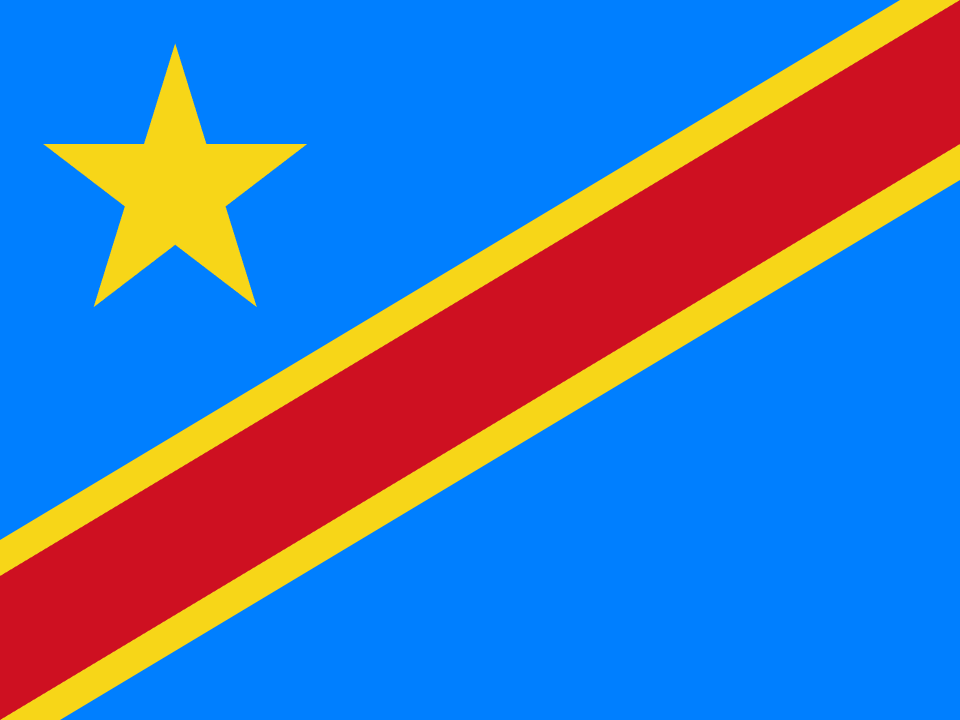
Soukous grew in Kinshasa and Brazzaville (the capitals of the two Congos, which face each other across the river) from the 1940s onwards. Cuban music had reached Central Africa via records, and local musicians heard the rhythms and immediately started mixing them with their own Congolese beats and lyrics. What came out was something entirely new - and irresistible.
The music is built around electric guitars that weave together in long, fast, flowing patterns called sebene - an almost hypnotic dance of notes that makes it almost impossible to keep still. The rhythm section underneath pumps and bounces, while a lead singer delivers the melody in French, Lingala (a Congolese language) or other local languages.
Soukous became so popular that it spread from the DRC to the whole of Central and East Africa, to Europe, North America and beyond. Congolese musicians became stars across the continent. In Paris, in Nairobi, in Tokyo - wherever there were Congolese communities, soukous filled the dance halls and clubs.
Great musicians like Franco (full name François Luambo Makiadi) and Papa Wemba helped soukous reach the world. Franco was sometimes called 'the Sorcerer of the Guitar' and recorded thousands of songs over his career. Papa Wemba blended soukous with international pop and dressed in the spectacular fashion of the 'Sapeurs' - a Congolese style movement all about celebrating elegance and joy through clothing.