
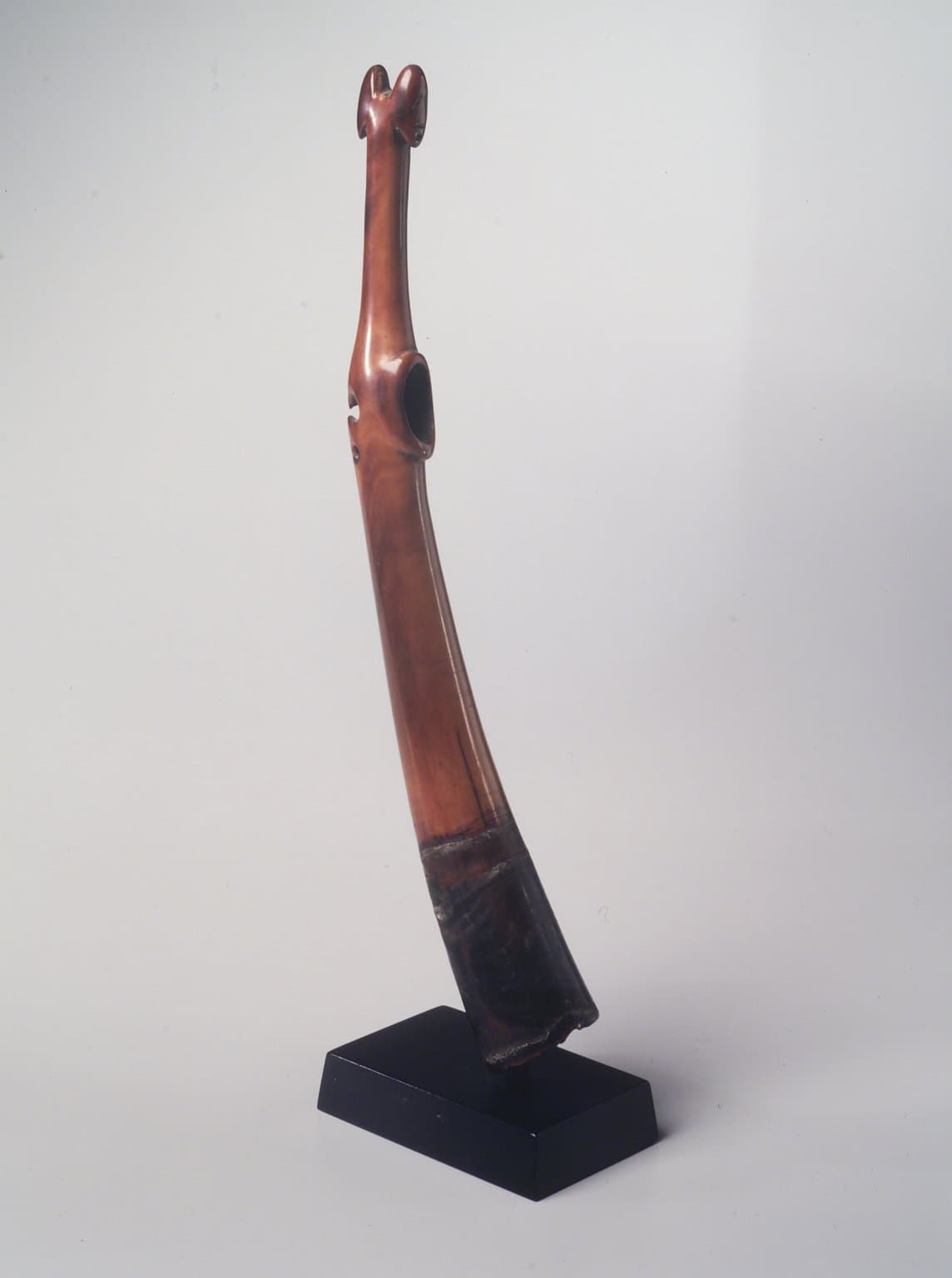
The Bubi people are the original inhabitants of Bioko Island, and balélé is at the heart of their cultural identity. The music centres on large drums carved from single tree trunks, stretched with animal skin across the top. Different sized drums create different pitches - some deep and booming, others higher and crisp - and the drummer uses both hands and sometimes sticks to create complex interlocking rhythms.
Balélé performances are usually communal events where the whole village or community participates. Singers form a chorus, responding to a lead singer in a call-and-response pattern - the leader sings a line and everyone answers together. Clapping and stomping feet add extra rhythm. The music builds in intensity until everyone is moving together, voices rising and drums beating in a shared pulse.
The lyrics of balélé songs carry stories - of the sea crossing that brought people to the island, of great fishermen and farmers of the past, of the forest and the animals in it. Songs are how history was remembered and passed down before writing was common. Learning to sing balélé is learning to carry those stories forward.
Today, balélé is performed at Independence Day celebrations, community festivals, and cultural events. Younger musicians are learning the old rhythms and combining them with modern instruments like guitars, creating a living tradition that keeps growing. Schools in Equatorial Guinea sometimes teach balélé as part of cultural education, making sure children know the music their great-grandparents danced to.