
Classroom lesson Β· Food Β· πŸ‡ΈπŸ‡Ώ Eswatini

Emasi

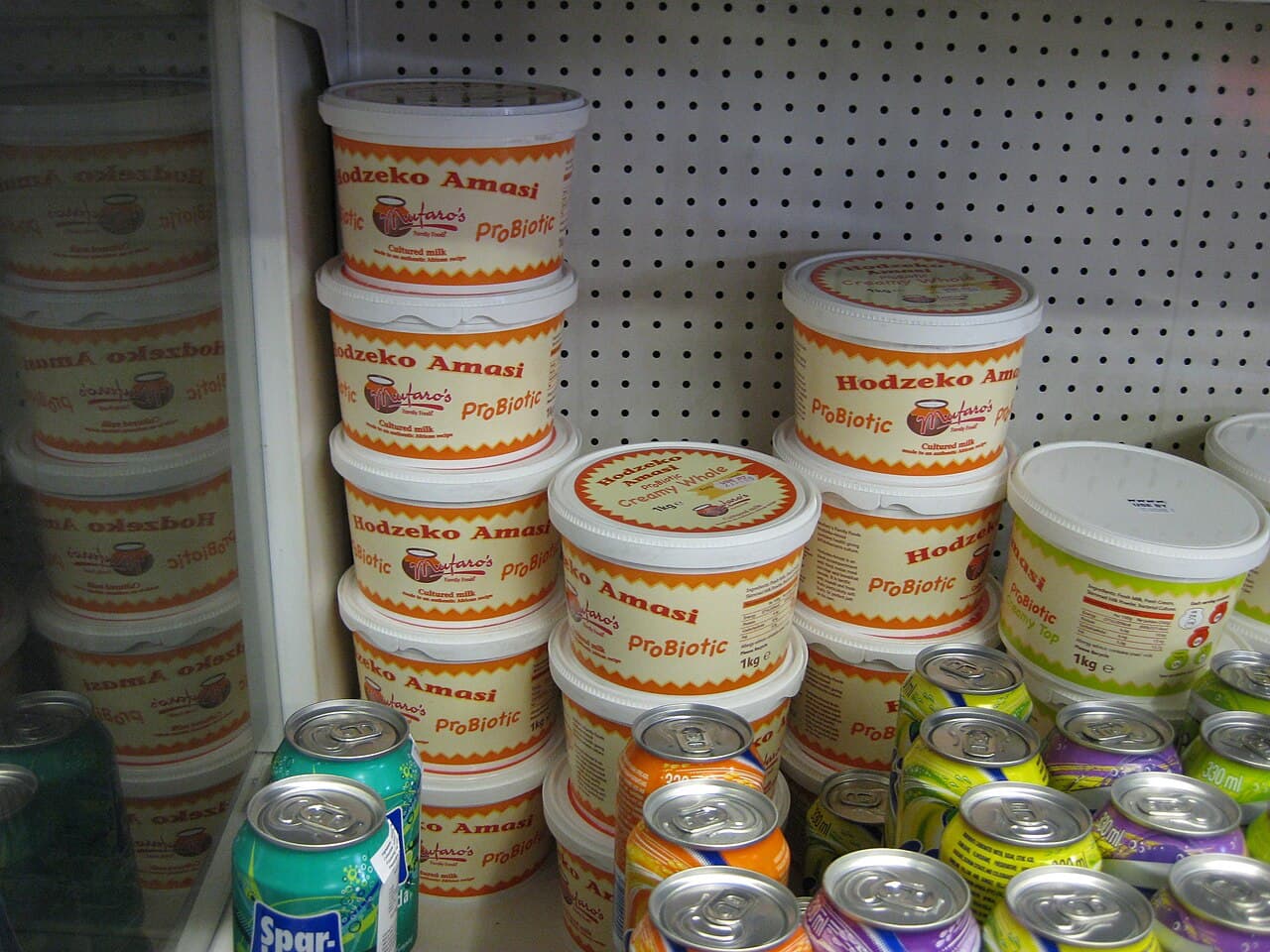
Sour milk β€” a creamy Swazi staple often served with porridge

Photo Β· Wikimedia Commons

What is it?

Emasi is a traditional Swazi food made from soured milk. It has a thick, creamy texture and a tangy flavour β€” a little like plain yoghurt or certain types of cream cheese. Emasi is a staple in many Swazi homes and is most often eaten poured over maize porridge for breakfast or as part of a main meal.

Tell me more

To make emasi, fresh milk from cows is left to ferment naturally β€” the same process that turns milk into yoghurt. Traditionally, the milk was kept in a special clay pot or a hollowed-out gourd (a hard-skinned vegetable) for several days. The warmth and natural bacteria in the container slowly turn the milk thick and sour.

Emasi over porridge is one of the most classic Swazi combinations. The creamy tanginess of the emasi balances the plain warmth of the porridge, making a meal that is both tasty and packed with energy. Many Swazi children grow up eating this for breakfast before school.

Soured milk products like emasi are found across Africa and many other parts of the world. They are healthy foods full of protein and good bacteria that help the digestive system. The fermentation process also makes the milk last longer β€” an important feature in places without refrigerators.

Cattle are an important part of Swazi culture and tradition, and milk from well-cared-for cattle has always been highly valued. Emasi connects Swazi families to their cattle-keeping heritage and to the land β€” a reminder that food can carry deep meaning beyond just nutrition.

In the classroom

Walk your class through this in 15 minutes.

Talk together

Discussion prompts

  1. 01Have you ever eaten yoghurt or soured cream? How does the tangy flavour compare to plain milk?
  2. 02Why was it important before fridges existed to find ways to make food last longer?
  3. 03How might cattle being important to a culture affect what kinds of food people eat?
  4. 04Can you think of other foods from around the world that are made by fermenting something?
Try this

Classroom activity

Look up three fermented foods from three different countries (for example: emasi from Eswatini, yoghurt from Turkey, kimchi from South Korea). For each one, write the name, the country, what it is made from, and one interesting fact. Present your findings to the class.